|
|
|
|
|
|
|
|
|
|
|
|
|
|
Habitats Terrestrial System. Open Uplands Subsystem-- Successional shrublands community
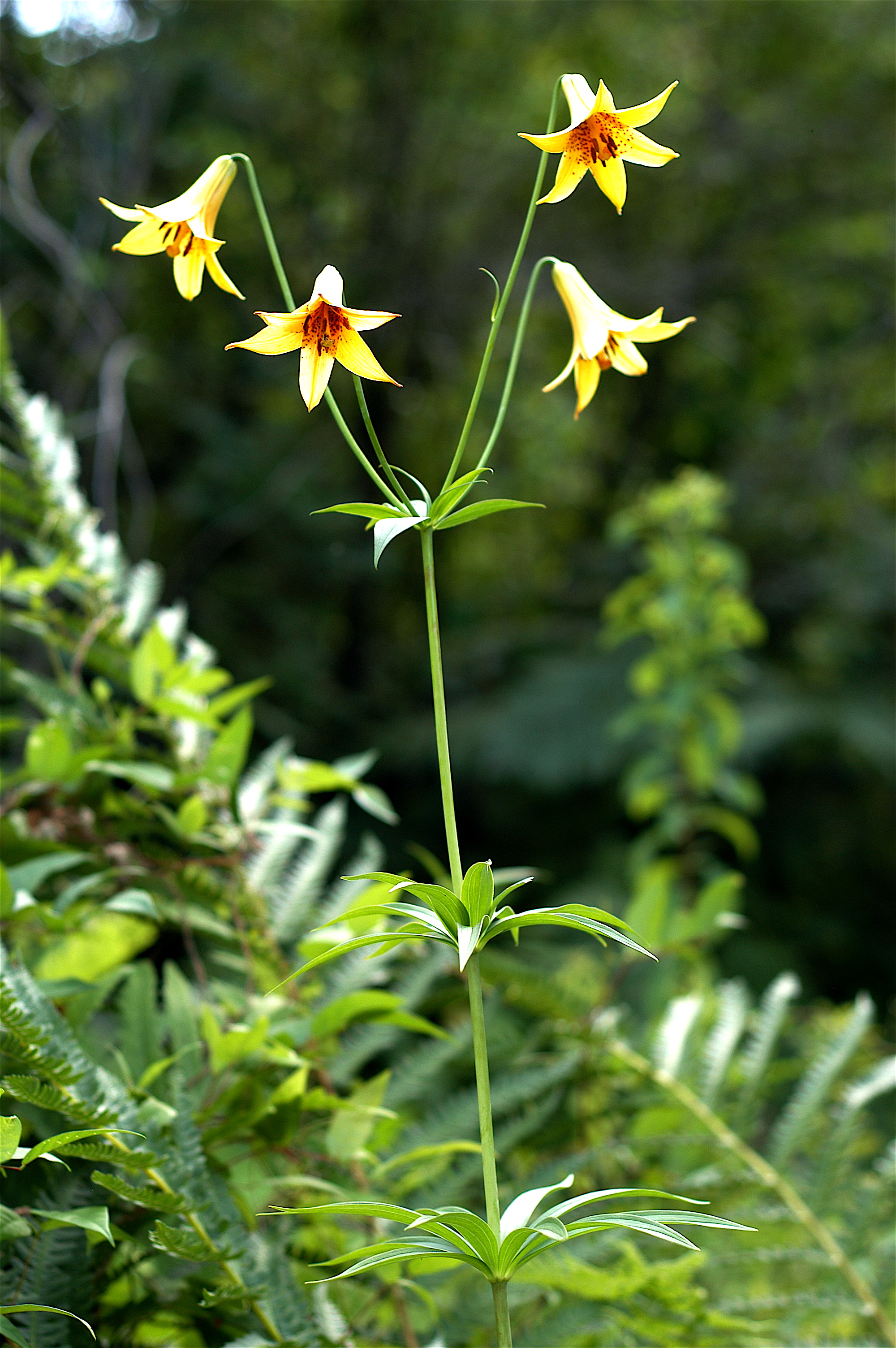
Substrate and Hydrology: The substrate is like that of the communities it crosses (forest, marsh and cliffs), but where there was forest, the rocks are more exposed and the soil dries out more quickly. The substrate and hydrology of the marsh and cliffs are largely unaffected by the powerline. Biota: This area is arbitrarily assigned to the Successional shrubland community because the shrubs and young trees are numerous, but perhaps not covering fifty percent of the surface as defined for this community. It is really a mosaic of the Successional shrubland and Successional oldfield communities (less than 50% cover of woody plants), both artificially maintained. The dominant woody plants are Hamamelis virginiana L., Carpinus caroliniana Walter, Salix discolor Muhl. and Juniperus virginiana L. var. virginiana. Various species of Lespedeza, Rubus and Solidago dominate the upper herbaceous layer. The threatened Pycnanthemum verticillatum (Michx.) Pers. var. verticillatum is only found in this habitat at Ice Pond. The spectacular Lilium canadense L. (that usually blooms at the end of June), grows along the trail that passes between the Deep emergent marsh and the Successional shrubland community, directly under the powerline. Cultural: Prior to construction of this line, this habitat, which now supports numerous species not found elsewhere at Ice Pond, would not have existed. It is periodically bushwacked and sprayed with herbicides to control woody plants, thereby maintaining suitable habitat for early and mid-successional shrubs and herbs. |
Copyright © The New York Botanical Garden