Inside The New York Botanical Garden
monarch butterflies
Posted in Photography on September 22 2014, by Lansing Moore
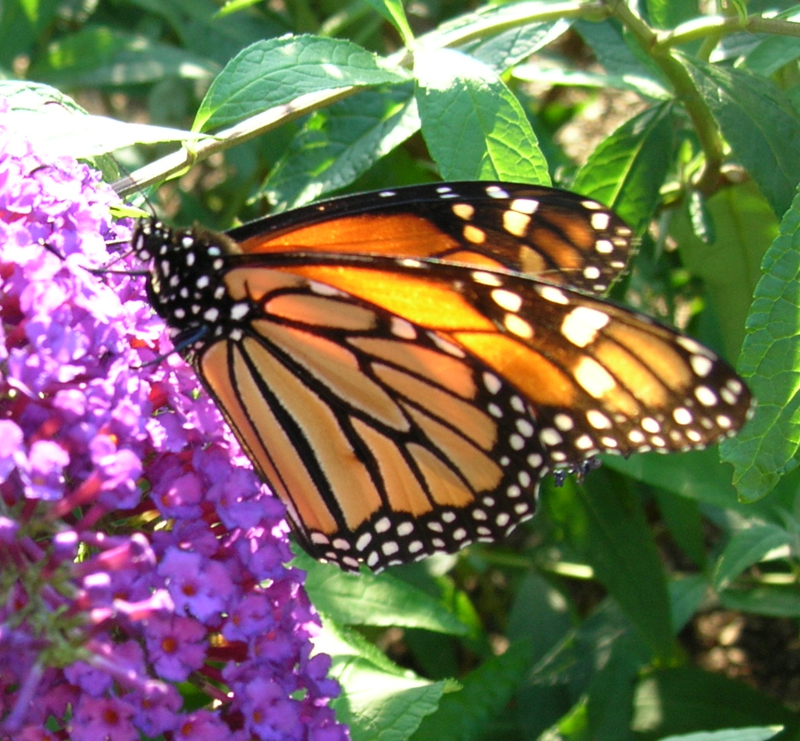
This monarch butterfly will soon join the rest of his friends in migration to leave the cold northeastern winter. In the meantime, they’re still enjoying our Asteraceae!
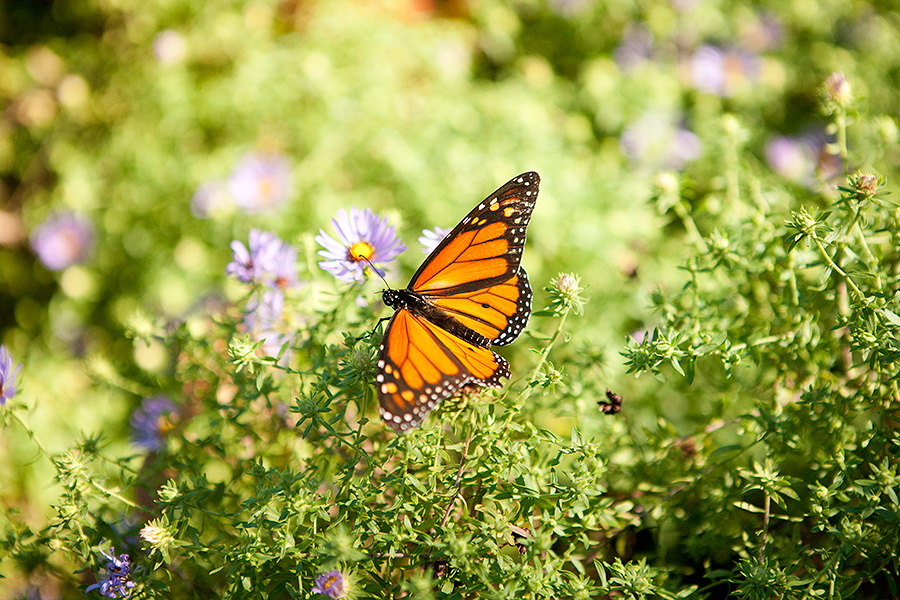
In the Home Gardening Center – Photo by Ivo M. Vermeulen
Posted in Wildlife on March 5 2014, by Joyce Newman
Joyce H. Newman holds a Certificate in Horticulture from The New York Botanical Garden and has been a Tour Guide for more than 8 years. She is the former editor of Consumer Reports GreenerChoices.org.
 As we wait for the weather to warm and some of our most stunning visitors to return to our outdoor collections, we are reminded of the increasing importance of conservation as a consideration in garden planning. Case in point: A new report finds the number of monarch butterflies wintering in the mountains of central Mexico much lower than ever recorded, largely due to the destruction of their habitat, extreme weather, and loss of food supply, the milkweed plant, up north.
These findings mean that cultivating and conserving the monarchs’ sole source of food in our area is more important to their survival than ever. In the Native Plant Garden, there are several species of milkweed, all of which attract monarchs, one of the most highly visible and numerous insects to see throughout the summer months.
Read More
Posted in Wildlife on September 22 2010, by Plant Talk
Butterflies Migrate Through the Garden on Way to Mexico
 |
 |
Dorrie Rosen and Anita Finkle-Guerrero are Plant Information Specialists at The New York Botanical Garden. |
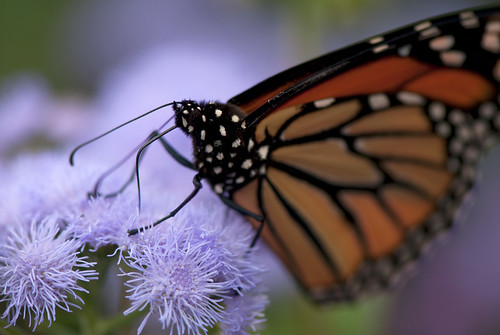 The annual celebrated journey of monarch butterflies is now under way. Perhaps you’ve already seen individual monarchs floating past as they head south to their winter home in Mexico on one of the most unique migrations in the natural world—a round-trip that spans three or four generations of monarchs. Each fall these beautiful black-and-orange creatures migrate to a relatively small geographic area in central Mexico where they huddle in masses on trees to conserve heat and be protected from buffeting winds and rains.
Severe weather in Mexico last winter—drought, wind, and mudslides, which took down trees—as well as continual illegal logging, land development, and pesticide use have negatively impacted the monarch population.
Home gardeners can help monarchs by creating conditions necessary for their survival throughout their life cycle: providing food (planting their favorite plants), water, and shelter for both larval and adult stages.
To view some of the plants at the Botanical Garden that the monarch feeds on, visit the Home Gardening Center, the Everett Children’s Adventure Garden, the Jane Watson Irwin Perennial Garden, and other living collections within our 250-acre landscape. Milkweed is the preferred host plant for monarch caterpillars and can be seen in the Children’s Adventure Garden. Also look there for other butterfly favorites: goldenrod, Joe-pye weed, and sedum. We saw monarchs on butterfly bush, lantana, sedum, and zinnia in the Home Gardening Center.