Douglas C. Daly, Ph.D., is the Director of the Institute of Systematic Botany and the B. A. Krukoff Curator of Amazonian Botany at The New York Botanical Garden. Among his research activities, he is a specialist in the Burseraceae (frankincense and myrrh) family of plants.
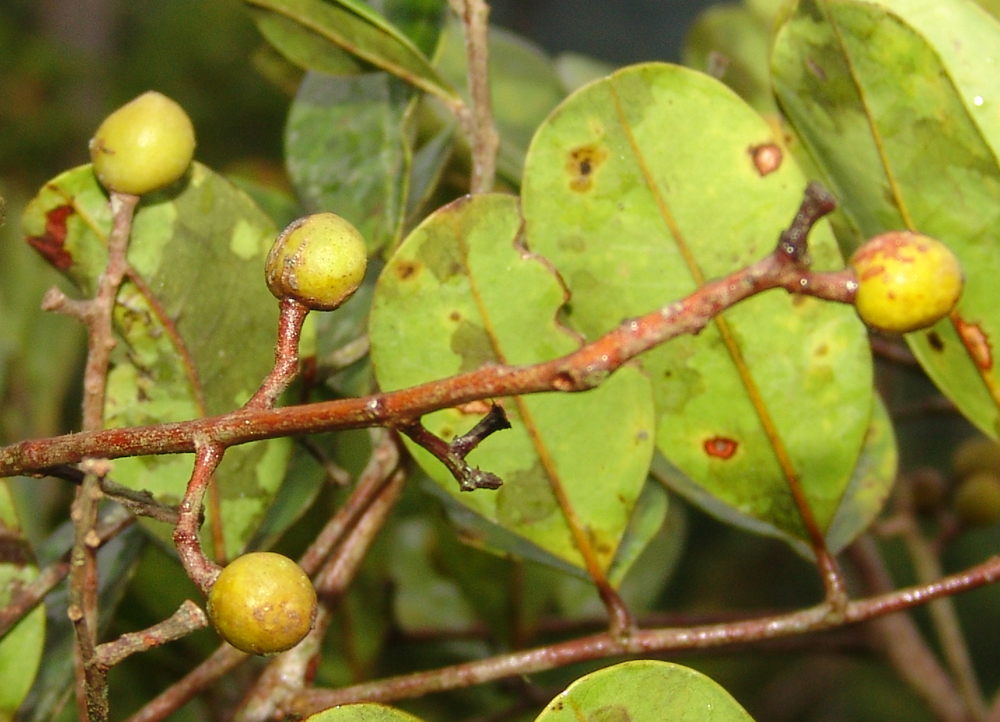
The oil-rich fruit of the newly described species Dacryodes urut-kunchae attracts many game animals. (Photo: David Neill)
When plant scientists discover new species—as I discussed in the first post of this series—their discovery is often an extremely rare plant, and frequently the specimens they see are incomplete. For example, there might be fruits but no flowers, and we have to search for more specimens or wait for other scientists to send us more examples before we can thoroughly describe and publish a species as new. But when a region is first explored botanically, sometimes we are amazed to find that a conspicuous member of the plant community has no name.
Douglas C. Daly, Ph.D., is the Director of the Institute of Systematic Botany and the B. A. Krukoff Curator of Amazonian Botany at The New York Botanical Garden. Among his research activities, he is a specialist in the Burseraceae (frankincense and myrrh) family of plants.
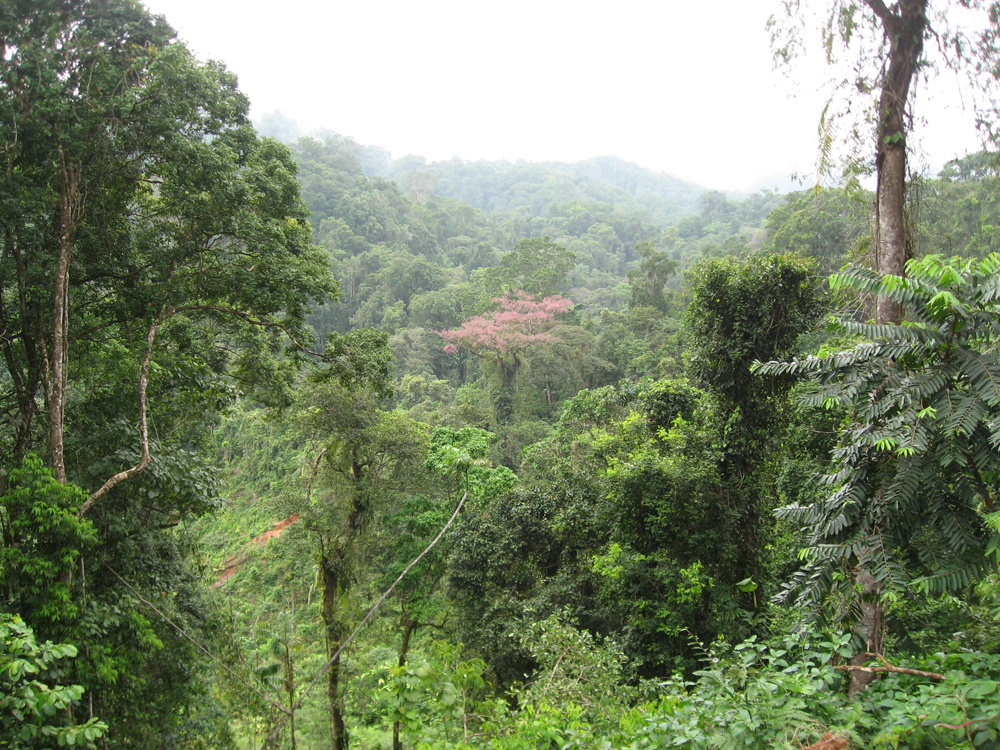
A Central American rain forest that is home to a rare plant species recently described by Dr. Daly
Plant scientists discover and publish about 1,850 new species each year worldwide. That pace has not changed much since 1970, meaning that, although we have already described about 350,000 plant species, we still have a steep “learning curve” and a very long way to go before we come close to documenting all the world’s species of plants.
In this series of posts, I’ll describe some of the challenges that plant taxonomists face in their quest to discover new species. I’ll also explain why that work is so important in the effort to conserve plant life on Earth, using two recent examples from my own work in the genus Dacryodes, a group of about 60 related species of tropical trees.