Brian M. Boom, Ph.D., is Director, Caribbean Biodiversity Program, and Melissa Tulig, is Associate Director of the Herbarium at The New York Botanical Garden.
The Orchid Show: Cuba in Flower in the Enid A. Haupt Conservatory provides an excellent occasion to draw attention to the Botanical Garden’s long history of plant exploration in Cuba and the Garden’s current scientific activities on the largest and most biologically diverse island in the Caribbean.
Beginning in 1903 and as recently as October 2009, the Garden has collaborated with Cuban botanists and institutions in documenting and studying the Cuban flora, collecting more than 20,000 specimens on 23 expeditions. The Garden’s research in Cuba is active and ongoing.
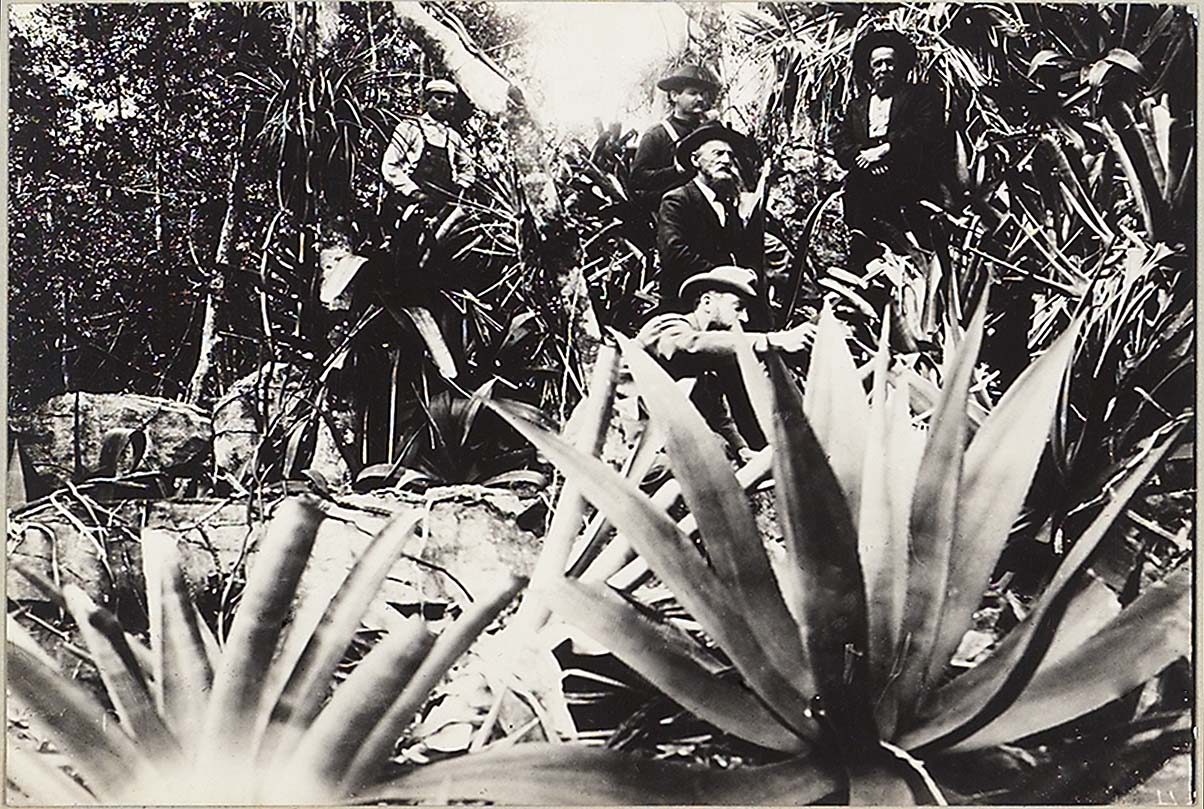
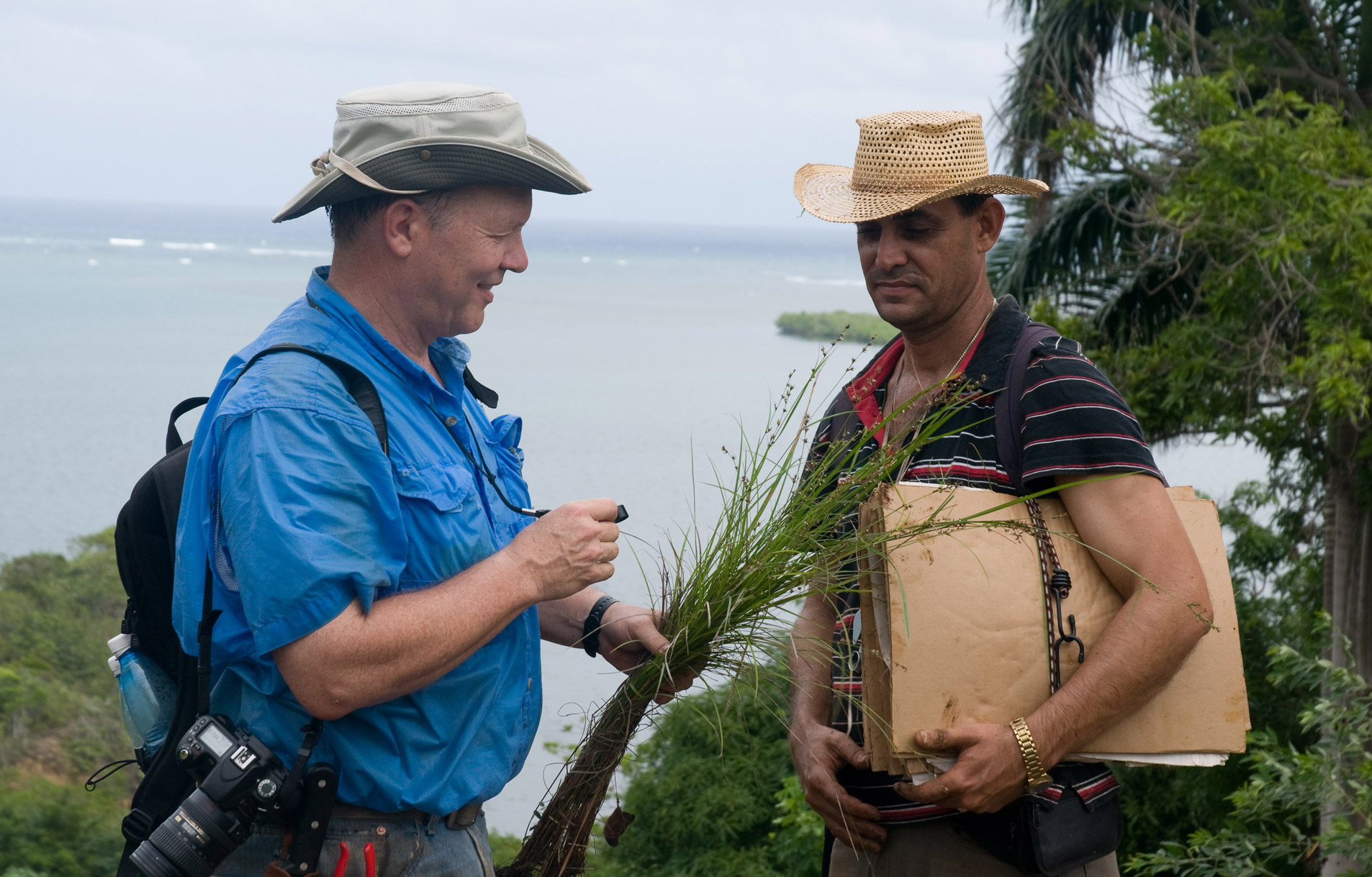
(The black-and-white photo above from the Mertz Library Archives is from an expedition to the Isle of Pines in Cuba led by the Garden’s founder Nathaniel Lord Britton in 1916. The photo below, by Garden scientist Fabián A. Michelangeli, Ph.D., is from the most current expedition and shows Garden scientist Wayt Thomas, Ph.D., at left, with his Cuban student Waldo Bonet collecting sedges.)
One good way to tell this story of more than a century of plant exploration in Cuba is through the more than 12,500 digitized specimen records currently available via the Garden’s C.V. Starr Virtual Herbarium. Some newly created Web features allow easy access to these data, and we recommend trying the following to explore the Garden’s history in Cuba and some of the plant diversity on the island as told by the specimens.
Jessica Blohm is Interpretive Specialist for Public Education.
Christopher Columbus first landed in Cuba in 1492, leading the way to the country’s being settled in 1511 by the Spanish, who quickly discovered how well suited the land was for growing sugarcane. The plant, which is from the South Pacific island of New Guinea and thrives only in tropical areas, had been introduced to the New World by Columbus during his second voyage (1493–96).
European colonial powers established huge slave-based sugar plantations throughout Cuba and the Caribbean. The cane sugar industry became Cuba’s economic mainstay of the 17th and 18th centuries.
But by the 20th century, the popularity of sugarcane gave way to an alternative source of sugar—the sugar beet, which could be grown in Europe and other temperate regions. This new sweetheart crop plant, coupled with the abolition of slavery in 1886, resulted in the closing of numerous sugar mills throughout Cuba and the Caribbean. Ruins dotted these lands, many of which have since been reclaimed by native forest.
Sonia Uyterhoeven is Gardener for Public Education. For hands-on demonstrations and orchid tips, join her in the Conservatory’s GreenSchool every Saturday and Sunday at 2 p.m. throughoutThe Orchid Show.
Part 1 of 3-part series
A few weeks ago, I spent a quiet afternoon at the Nolen Greenhouses with my colleague Fintan O’Sullivan repotting orchids. We started by preparing a free-draining mix for Cattleyas.
A large bag of coarse Douglas fir bark (white fir bark is also used) was spread out on the potting bench. Fintan then filled an empty crate first with horticultural charcoal and then with coarse perlite. The crate served two purposes: measurement (the contents amounted to about one-third to half the quantity of the bark chips) and as a temporary free-draining container.
Jorge Sánchez, president and co-founder of the landscape architecture firm Sánchez & Maddux in Palm Beach, Florida, designed this year’s Orchid Show.
For Sánchez & Maddux to be awarded the opportunity to design The Orchid Show: Cuba in Flower was, indeed, a feather in our cap. The fact that the show is centered on Cuba made it very personal for me, for it is where I was born and grew up until the ripe old age of 11½.
I’ve often said we are all born with a talent. The key is realizing that talent. I don’t mean that one has to be the best in the world at whatever it may be, but that one has a gift for something. For me that gift is designing landscapes. I have enjoyed plants, history, and architecture as far back as I can remember, and my field of work encompasses all of these things. This has also given me a very good visual memory. And so here I take you back to my childhood and the influences of my native Cuba that have helped to shape elements of this year’s Orchid Show.
I must have been 10 years old when my two maternal uncles purchased a ranch in the province of Pinar del Rio, about 55 miles from Havana, where we lived. One day, while staying with one of my grandmothers (which my siblings and I did whenever my parents were away traveling) we went for a picnic at the ranch, Las Maravillas de Roja, rather a long name for a ranch.
Prepare for Gardening Season with this Special All-Day Program
Carol Capobianco is Editorial Content Manager at The New York Botanical Garden.
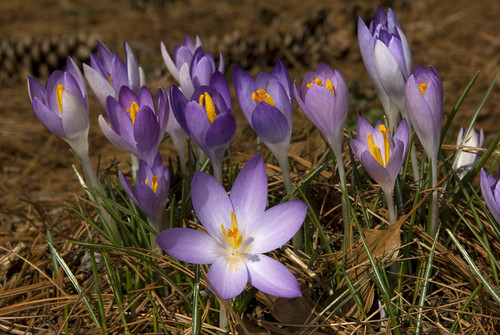
It may not feel like it, but spring begins this month. Gardeners—me included—are chomping at the bit for it to get under way and for that telltale whiff in the air. (You know, that certain smell that stops you as you step outdoors one day in late winter and puts a smile on your face.)
Of course, there is always enough garden-related chores to do indoors before the warmer weather arrives, and sometimes spring comes too soon for my own good. I still haven’t mended my favorite gardening pants or switched my gardening paraphernalia into the larger tool bag I bought last fall or ordered a new pair of gardening shoes to replace the ones with worn-out soles or thought enough about my plant wish list.
But, still, I’m ready for the sun and soil, and I’m sure you are, too. So come to Spring Fever Saturdayon March 6 to be with kindred spirits who want to spend the day learning how to fine tune their soil, select early blooming trees and shrubs, prune woody plants, and other such tasks to prepare their gardens and lawns for that special time of year called spring.
For more information about each of the sessions offered—participants may select as many as three from six topics—or to register, click here or call 718.817.8747.
Jessica Blohm is Interpretive Specialist for Public Education.
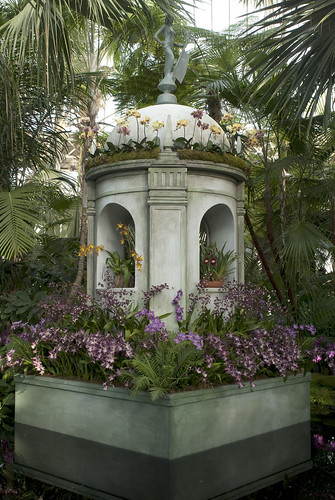
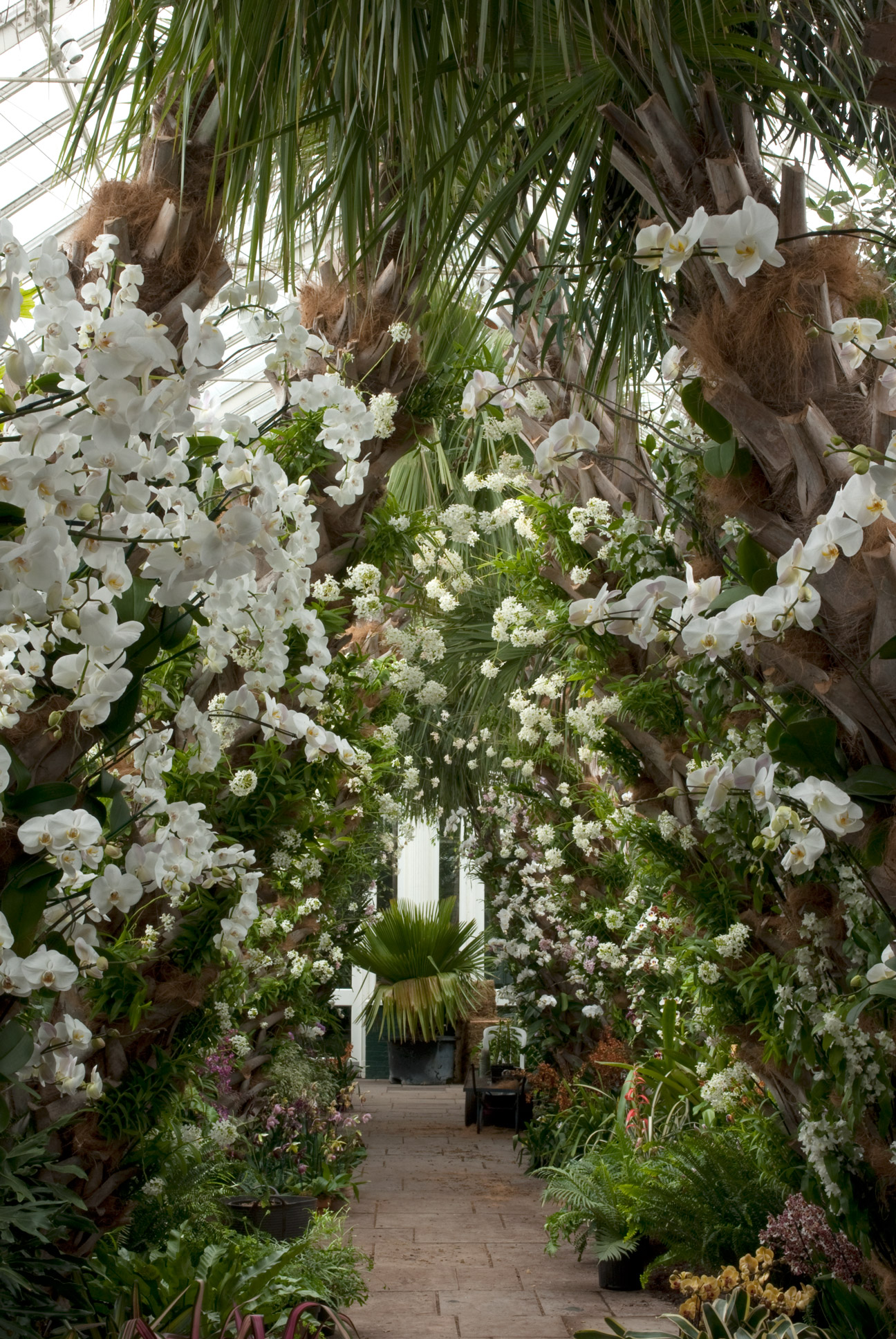
Cuba is home to more than 300 species of orchids, some native only to Cuba. In The Orchid Show: Cuba in Flower, one of the replicas on display is the Soroa Orchidarium, a botanical garden dedicated to education and the cultivation and conservation of the world’s orchids.
The groves of Cuban royal palms (Roystonea regia) on either side of the Orchidarium are meant to evoke the hills of Sierra del Rosario, a biosphere reserve of over 65,000 acres within which the Orchidarium is nestled. The Orchidarium features thousands of tropical plants and flowers from around the world, including 700 species of orchids from Asia, South America, and other tropical regions, many no longer found in the wild.
Sonia Uyterhoeven is Gardener for Public Education.
We are celebrating Cuba this year in The Orchid Show. While Cuba lays claims to great national parks such as La Güira National Park and Sierra del Rosario Biosphere Reserve, which houses the exquisite Jardín Botánico Orquideario Soroa (Soroa Orchid Botanical Garden), historically, the island wasn’t immune to the ravages of colonization and industrialization.
When Christopher Columbus sailed into Cuba in 1492, he encountered a tropical paradise covered with old-growth forests full of Caribbean mahogany, walnut, ebony, cedar, pine, and oak. This vast arboreal expanse was a paradise for Cuba’s native fauna and flora, including orchids. But the ideal wasn’t to last, giving way to deforestation and sugar cultivation.
At one time, according to https://www.thetoolboss.com, the felling of trees was regulated by the Royal Forest Reserve, which prohibited the indiscriminate felling of trees so that specimens could reach a certain height to supply shipbuilders with timber for masts, keels, and hulls for the Royal Navy.
But a greater threat to the environment and its ecological communities existed: a wholesale deforestation of the island by the sugarcane industry.
Beautiful Blooms, Old Havana, Cuban Countryside Featured
Laura Collier is Marketing Associate at The New York Botanical Garden.
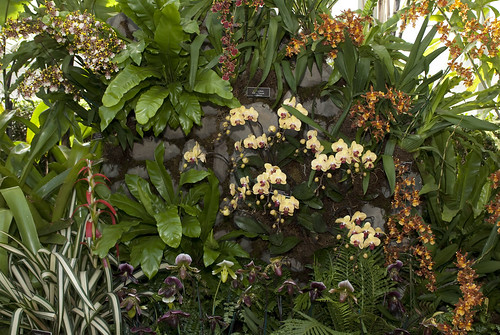
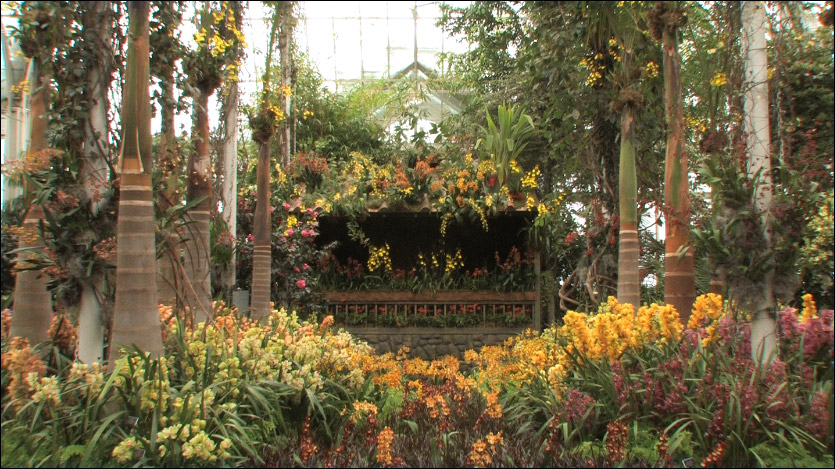
Garden staff have been working in overdrive for weeks, filling the Enid A. Haupt Conservatory with thousands of brilliant orchids and tropical plants in preparation for the 8th annual Orchid Show.
I’ve been craning my neck during every visit to the Conservatory to get a glimpse of the show being set up. Fortunately, Rustin Dwyer, our expert staff videographer, has been behind the scenes catching all the action. He’s been working with Karen Daubmann, Director of Exhibitions, to document the details that go into the making of The Orchid Show: Cuba in Flower.
Check out the most up-to-date installment as well as all the videos building up to the opening in the box below. The show starts tomorrow, Saturday, February 27. I’ll be stopping in to see all the beautiful blooms, which are displayed this year in vignettes from Old Havana and the Cuban countryside.
Lisa Vargues is Curatorial Assistant of the Herbarium.
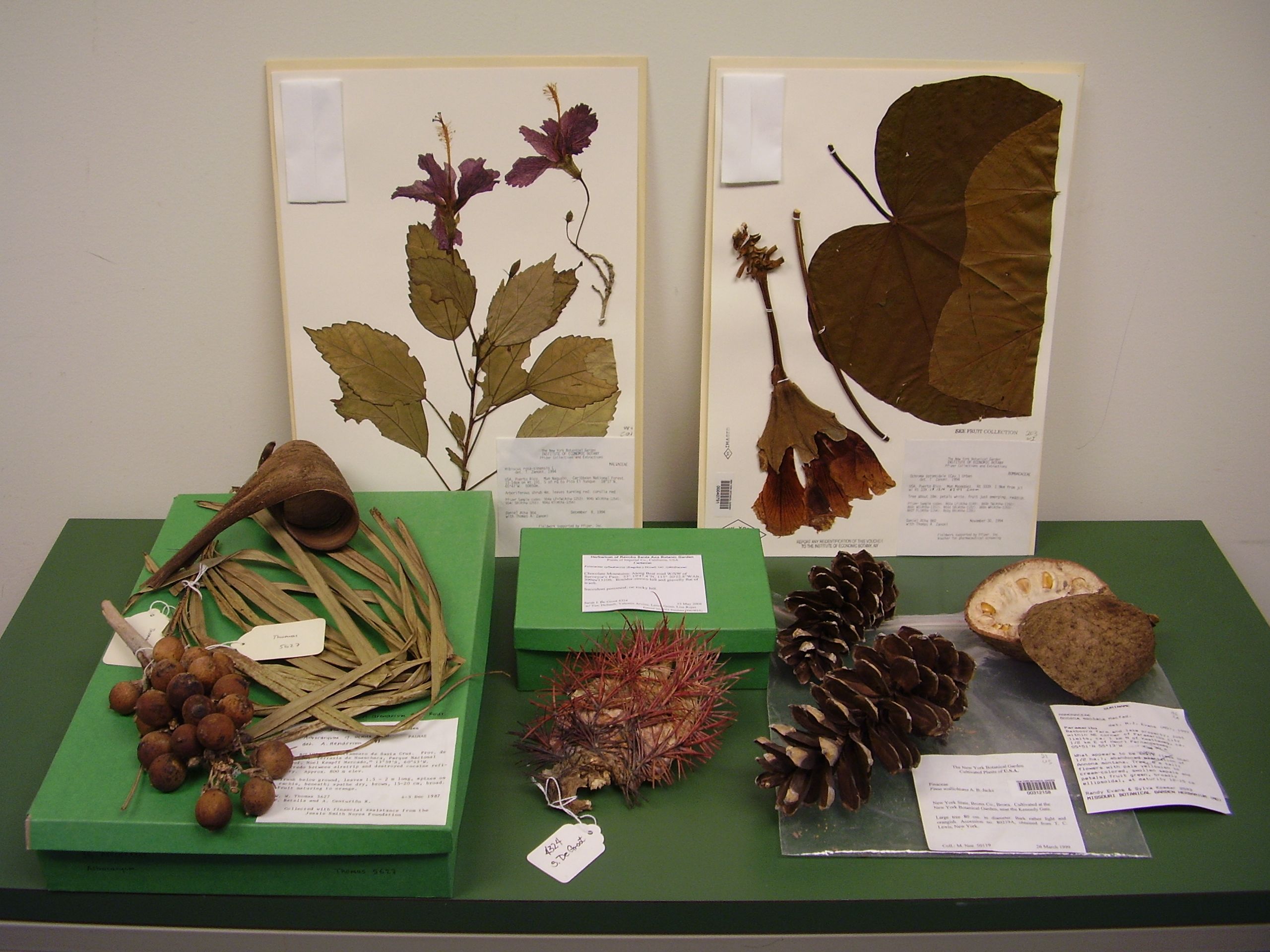
Adjacent to The New York Botanical Garden’s Library building stands a 70,000 square-foot treasure chest: the William and Lynda Steere Herbarium. This “library” of over 7.3 million preserved and filed plant specimens is the largest in the Western Hemisphere and considered a crown jewel in the world of botanical research. Roughly 35,000–40,000 specimens arrive here annually from around the world, through gifts, exchanges, and staff collections, and are preserved through a careful process that has not changed for centuries.
A plant’s journey from field to filing cabinet is often a fascinating one. Botanists, including Garden Science staff, travel the globe searching for new and interesting species often in remote regions and using a variety of means of access—sometimes dugout canoes, helicopters, or helium-filled balloons. The journey can be brief yet momentous, such as when a desirable plant springs up near the Garden’s gates or by a New York City parking lot.
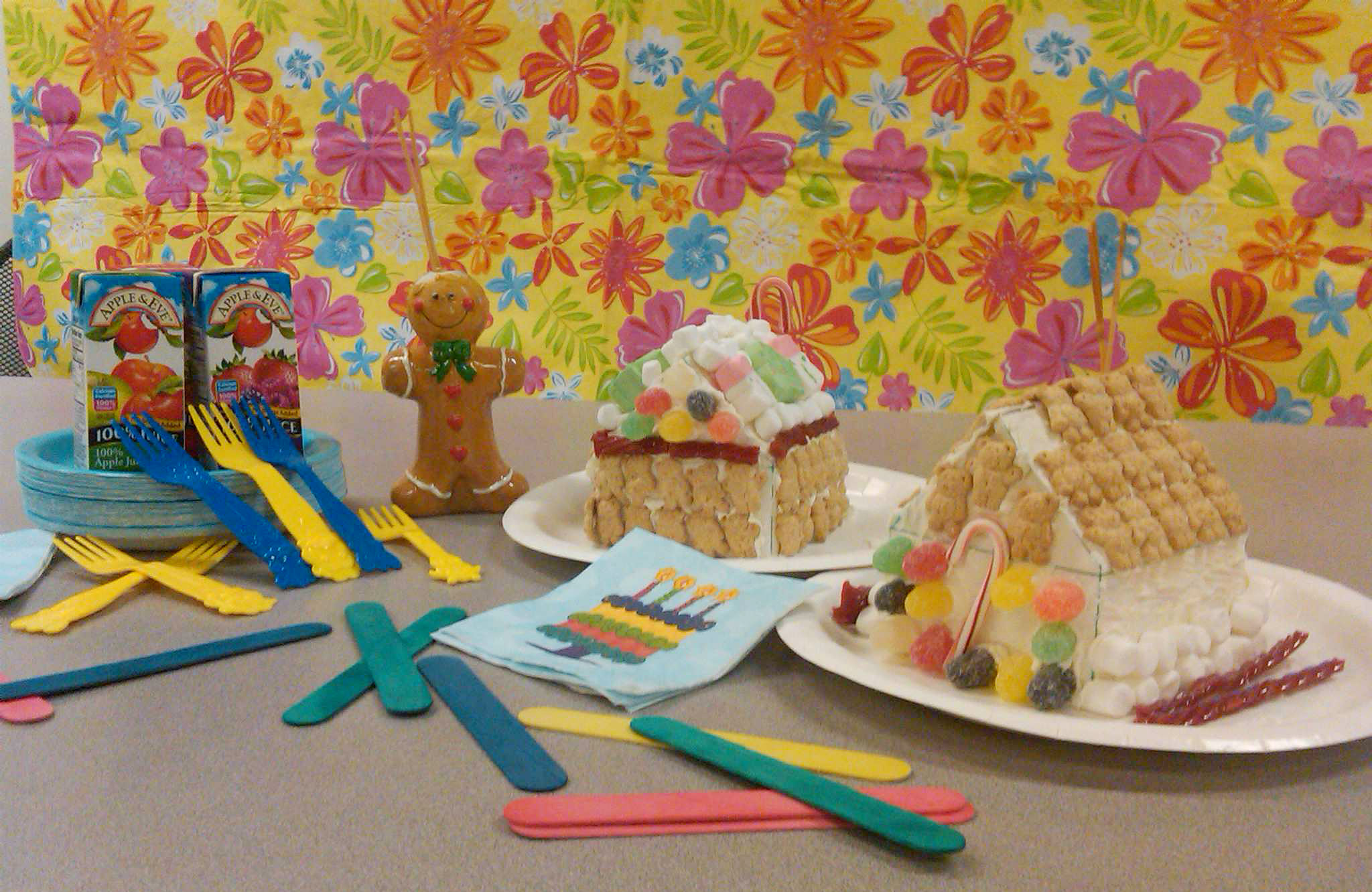
Plates, check. Forks, check. Pizza, check. Candles, check. I’d just finished assembling all the necessary items for the weekend’s party. The brisk early winter morning was a flurry of preparation for Taylor’s 4th birthday celebration here at the Garden. Excitement was building as party guests began to arrive.
First, Taylor and his friends were taken on a private journey through the exhibition at the time, the Holiday Train Show. With whistling train conductors leading the way, the kids chased the locomotives zooming along tracks and across bridges. Next, the group zigzagged through the wild rain forest in the Enid A. Haupt Conservatory, where they found their favorite plant of all, the cacao tree—this was a chocolate-loving bunch. Afterward, the group was led to the Conservatory GreenSchool for the rest of the festivities.


 The Orchid Show: Cuba in Flower in the Enid A. Haupt Conservatory provides an excellent occasion to draw attention to the Botanical Garden’s long history of plant exploration in Cuba and the Garden’s current scientific activities on the largest and most biologically diverse island in the Caribbean.
 One good way to tell this story of more than a century of plant exploration in Cuba is through the more than 12,500 digitized specimen records currently available via the Garden’s C.V. Starr Virtual Herbarium. Some newly created Web features allow easy access to these data, and we recommend trying the following to explore the Garden’s history in Cuba and some of the plant diversity on the island as told by the specimens.