Inside The New York Botanical Garden

Serviceberry

The Native Pantry: Wild Wine and Delectable Delights

Posted in Gardening Tips on April 29 2014, by Sonia Uyterhoeven

Sonia Uyterhoeven is the NYBG’s Gardener for Public Education.
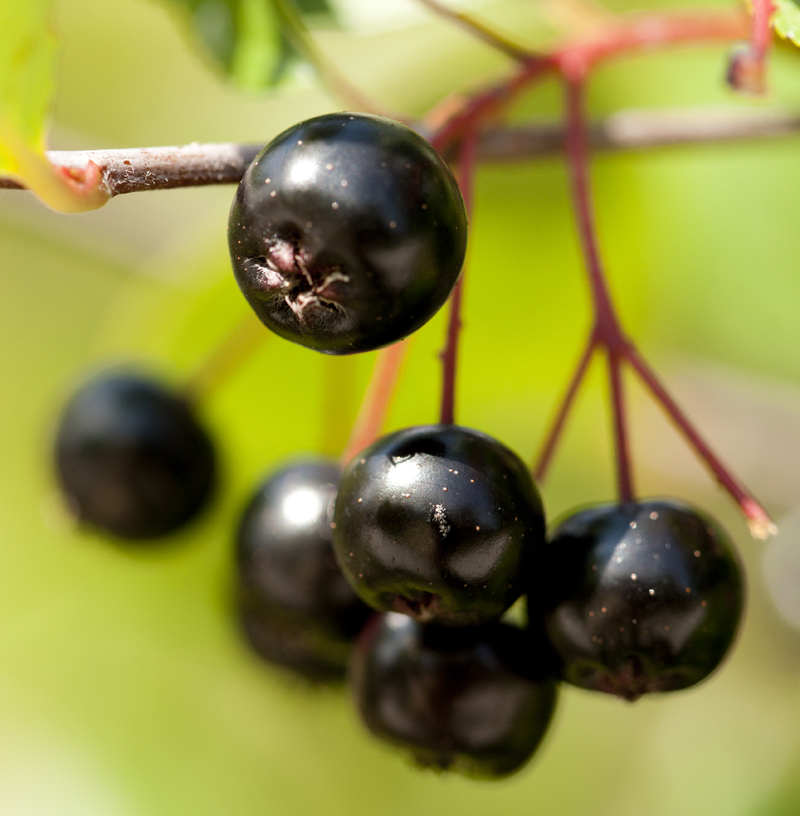

Aronia melanocarpa 'Autumn Magic'
Chokeberries (Aronia melanocarpa ‘Autumn Magic’)

When I feel like going on a culinary adventure, I’ll often travel to the Polish markets in Brooklyn’s Greenpoint. It’s one of the few places that I can find one of my favorite items, a drink or syrup made from chokeberries (Aronia melanocarpa). You simply dilute the syrup with mineral water to create a refreshing beverage with a robust berry flavor reminiscent of black currants—minus the bitter edge.

European markets tend to offer a wealth of products like this, many of them made from herbs and berries that you won’t often find in the mainstream North American marketplace. They herald back to a time when people lived off the land and were more intimately connected with their natural environment.

We often assess native plants in terms of their ornamental value, but rarely view them in terms of their culinary value, even though there is a long and colorful history of foraging and using native species in our kitchens. For the most part, these traditions have since been isolated to local communities and small groups of enthusiasts.
Read More

Native Plants 101: The Shadbush Story

Posted in Adult Education, Learning Experiences on April 25 2012, by Joyce Newman

Joyce H. Newman is the editor of Consumer Reports’ GreenerChoices.org, and has been a Garden Tour Guide with The New York Botanical Garden for the past six years.


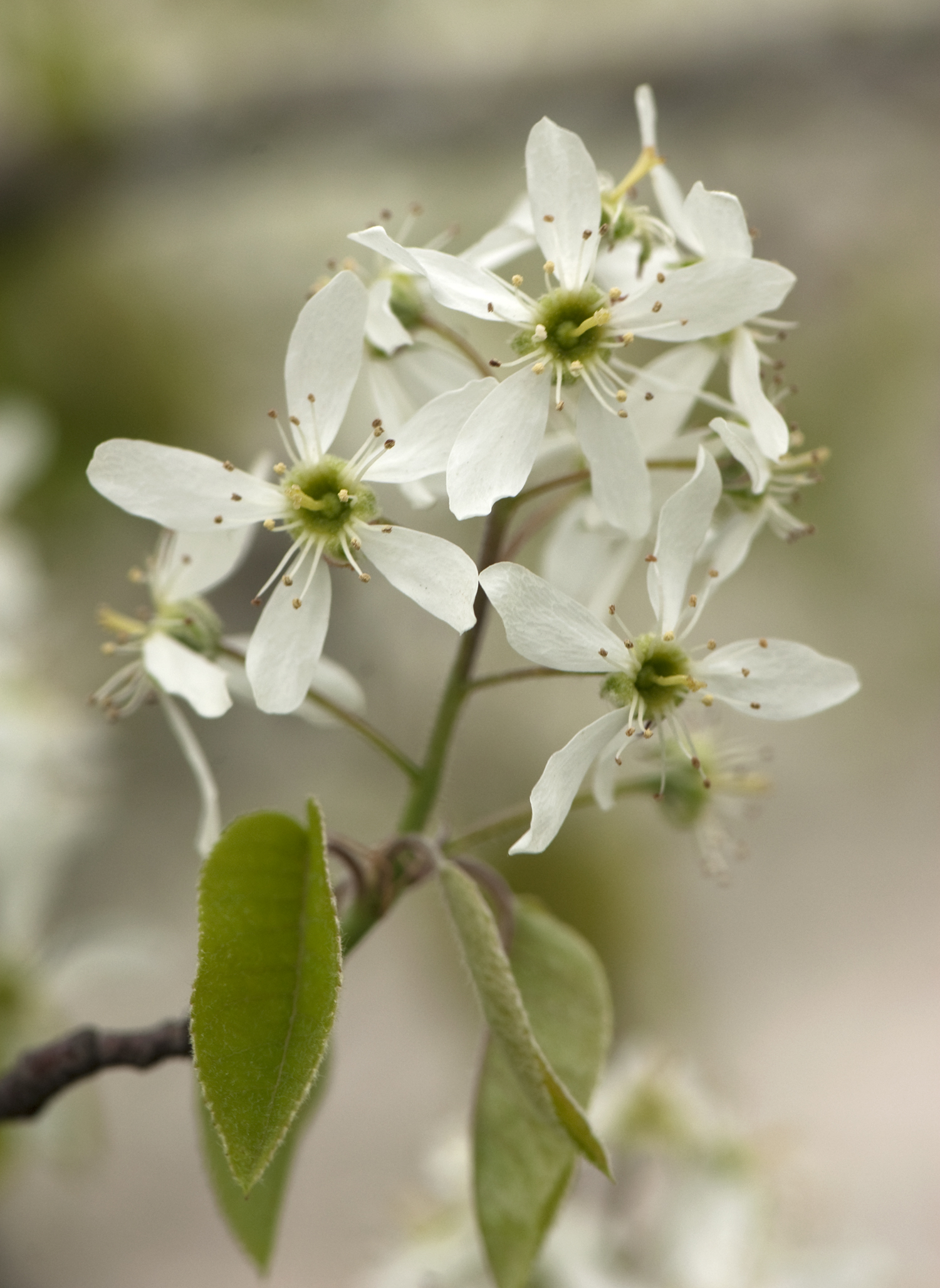
One of the most wonderful native trees in our area is the Shadbush (Amelanchier arborea), which is sometimes called the Serviceberry, Shadblow or Juneberry tree. It’s an all-season beauty, especially in a natural landscape setting, and just one of the many native plants you can learn about in the upcoming class, Gardening with Native Plants.

The small tree features lovely grey bark and showy flowers, as well as terrific berries for pies and gorgeous fall color. But equally beautiful are the stories and folktales that have been associated with this tree for hundreds of years.

One story is that the first settlers in the New England area often planned funeral services at the same time that the tree bloomed. Its blooming was a sign that the ground had thawed sufficiently to be able to dig graves. So the tree became known as the ‘serviceberry tree.’

Read More