Sonia Uyterhoeven is Gardener for Public Education.
Every year hybridizers throw something new at us. This is not a bad thing. We all like choices. Some of the newcomers are successes and some are short-lived wonders. They are all worth a try since there is always a good gardening lesson behind every new plant.
While the new introductions are just beginning to be announced in the gardening magazines—they usually start to appear in December issues and gain momentum in January and February—some of next season’s debutants are already being discussed.
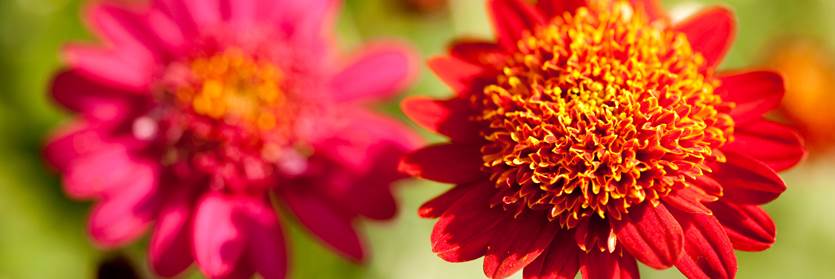
A sprightly newcomer is a little snapdragon named ‘Twinny Peach’. It is a double-flowering snapdragon that doesn’t have the “snap” or the jaw-like structure that gives the flower its name. The petals are ruffled into what has sometimes been referred to as a butterfly structure since the petals look like they are fluttering in the wind.
Noelle V. Dor is Museum Education Intern in the Everett Children’s Adventure Garden.
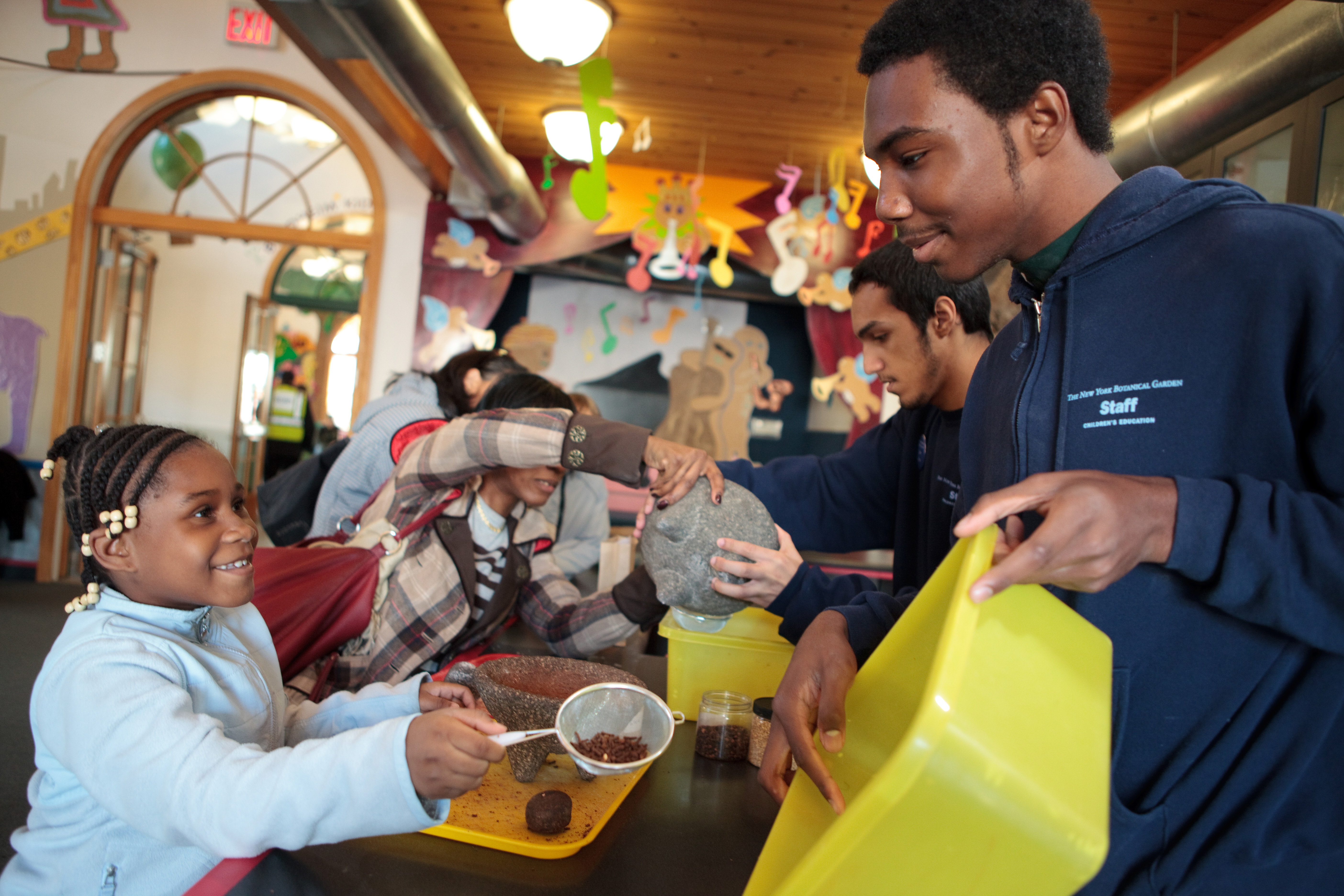
The holiday season is here, and the Everett Children’s Adventure Garden has cooked up a celebration of sugar, spice, and everything nice with its annual Gingerbread Adventures. While mostly everyone is familiar with the story of the Gingerbread Man and has seen (if not decorated and eaten) gingerbread cookies, many may not know the botanical and historical background of this favorite winter treat. I certainly didn’t.
As an intern in the Children’s Adventure Garden, not only do I get to work behind the scenes of this wildly popular program, I also get to join in on the adventure! Believe it or not, my previous experience with gingerbread was limited to enjoying the follies of Gingy, the gingerbread cookie character in the movie Shrek, and to helping create the “Gingerbread City” scene for a Candyland-themed high school play.
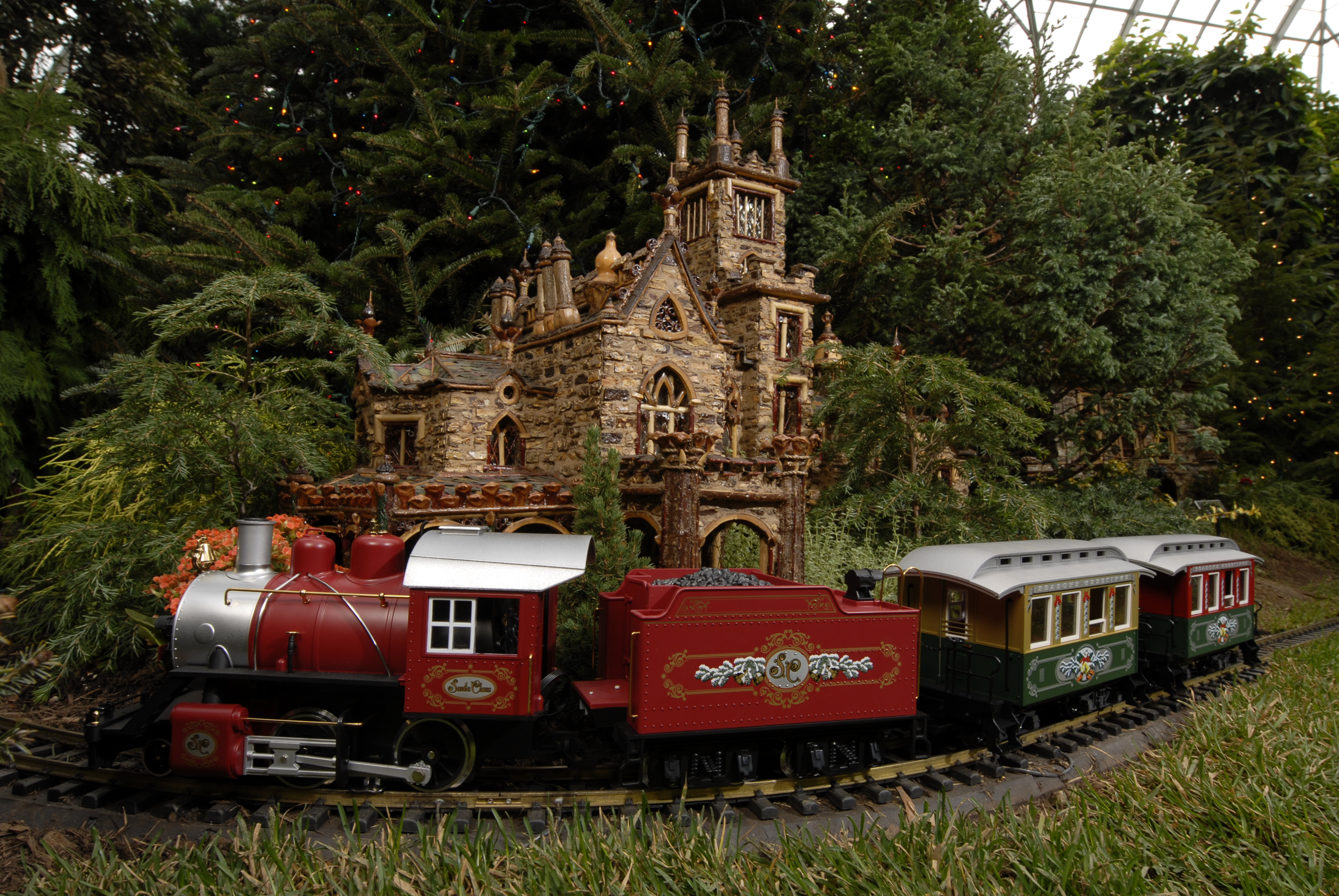
How many times have you seen It’s a Wonderful Life? A Christmas Story? Too many times to count? Rather than watch the holidays from a couch, break out your favorite festive sweater and create memories of your own with friends, relatives, colleagues, or others on a group tour of the Holiday Train Show.
Make a visit to this spectacular exhibition of twinkling lights, model trains, and replicas of New York landmarks made from plant parts a way of reconnecting with the special people in your life during this special time of year. Groups of 15 or more who plan a weekday visit receive a discount off the general admission price.
You may want to gather friends for a seasonal get-together or plan a day away from the office with co-workers or congregate with neighbors—come with any group of 15 or more during the week and everyone saves.
Barbara Thiers, Ph.D., is Director of the William and Lynda Steere Herbarium and oversees the C.V. Starr Virtual Herbarium.
Part 1 in a 3-part series
The 7.3 million collections of the William and Lynda Steere Herbarium, the largest in the Western Hemisphere and among the four largest in the world, form the core of a beehive of activity. On a typical work day during the past year, our Herbarium staff of 29 full-time equivalents answered 28 requests for information via e-mail or phone, helped 10 visiting researchers use the Herbarium, sent 214 specimens on loan (over the year we sent to 38 countries and 38 states of the United States), added 360 new specimens, and digitized 400 specimens for sharing on-line through the C.V. Starr Virtual Herbarium.
Each herbarium specimen is a primary source of historical information about the Earth’s vegetation as well as about the person who collected it. The label that accompanies each specimen gives not only the name of the plant, but where and when it was collected, and by whom. Some labels give far more information, such as the name of the expedition, the funding source, and names of other members of the collecting party. Historical specimens often bear original handwriting, and sometimes notes, correspondence or sketches.
Sonia Uyterhoeven is Gardener for Public Education.
Last week I blogged about the causes of late blight. This week we’ll look at ways to deal with it and other fungal diseases in general.
Here at the Garden, we thought we had missed the late blight since we made it through the initial onslaught unscathed. The problem with fungal spores is that some of them love to hang around. In late August we went out into the garden on a Monday after a heavy weekend rain and found a number of plants covered with white powdery spots.
On further inspection we found signs of brown lesions on stems, and several of the leaves were starting to darken into brown spots. Since this fungal problem progresses so rapidly, we decided that we wouldn’t wait to get the problem plants tested. I spent an afternoon filling garbage bags with diseased tomato plants, carefully cutting them up piece by piece so as not to unwittingly spread spores all over the place. Even for compost aficionados, it is advised to toss diseased plants into the trash rather than risk the disease surviving the composting process and infecting new areas of the garden.
After I disposed of the wreckage, I went back into the garden and doused the remaining tomato plants with a product called Plant Health Care Biopak Plus. It is a micronutrient treatment with beneficial bacteria that supports plant vigor (it is similar to spraying the plants with compost tea to protect them).
View Holiday Train Show, Ex Libris Exhibition, and More
Before sitting down to turkey and stuffing, come enjoy the bounty of the Garden, which is open on Thanksgiving Day this year, from 10 a.m. to 6 p.m. The Garden will have extended hours for the remainder of the weekend for your enjoyment, relaxation, and gift shopping: from 10 a.m. to 7 p.m., Friday through Sunday, November 27–29.
250 acres of fall beauty—Catch the end of autumn’s colorful display in the gardens and Native Forest.
Holiday shopping and lunch—Find wonderful gifts for everyone on your list at Shop in the Garden and then grab lunch or a snack at one of our two Cafes.
The New York Botanical Garden is thankful for your patronage and support. Come share the day and the long holiday weekend with us, and have a Happy Thanksgiving!
Carol Capobianco is Editorial Content Manager at The New York Botanical Garden.
Earlier this year both Mayor Bloomberg and President Obama issued a call to action, encouraging New Yorkers and all Americans to volunteer in their communities.
Many regarded the call and came to volunteer at The New York Botanical Garden in record numbers during a challenging year for cultural institutions. They contributed to every program, project, and department, helping to ensure that, alongside staff, the Garden would rise above financial obstacles.
Margaret Horgan of the Throgs Neck section of the Bronx heeded the words of the Mayor and President and in June became a volunteer for the first time in her life—choosing the Garden as the place she’d give of her time. Here, as a newcomer, she is open to whatever is asked of her, from stuffing envelopes to greeting visitors.
“I try just about everything and anything,” said Margaret, who also credits her neighbor’s influence for finally getting involved 10 years after retiring as an administrative assistant. “I’m a Bronxite, and I love the Garden; it’s a gem. I wanted to give something back.”
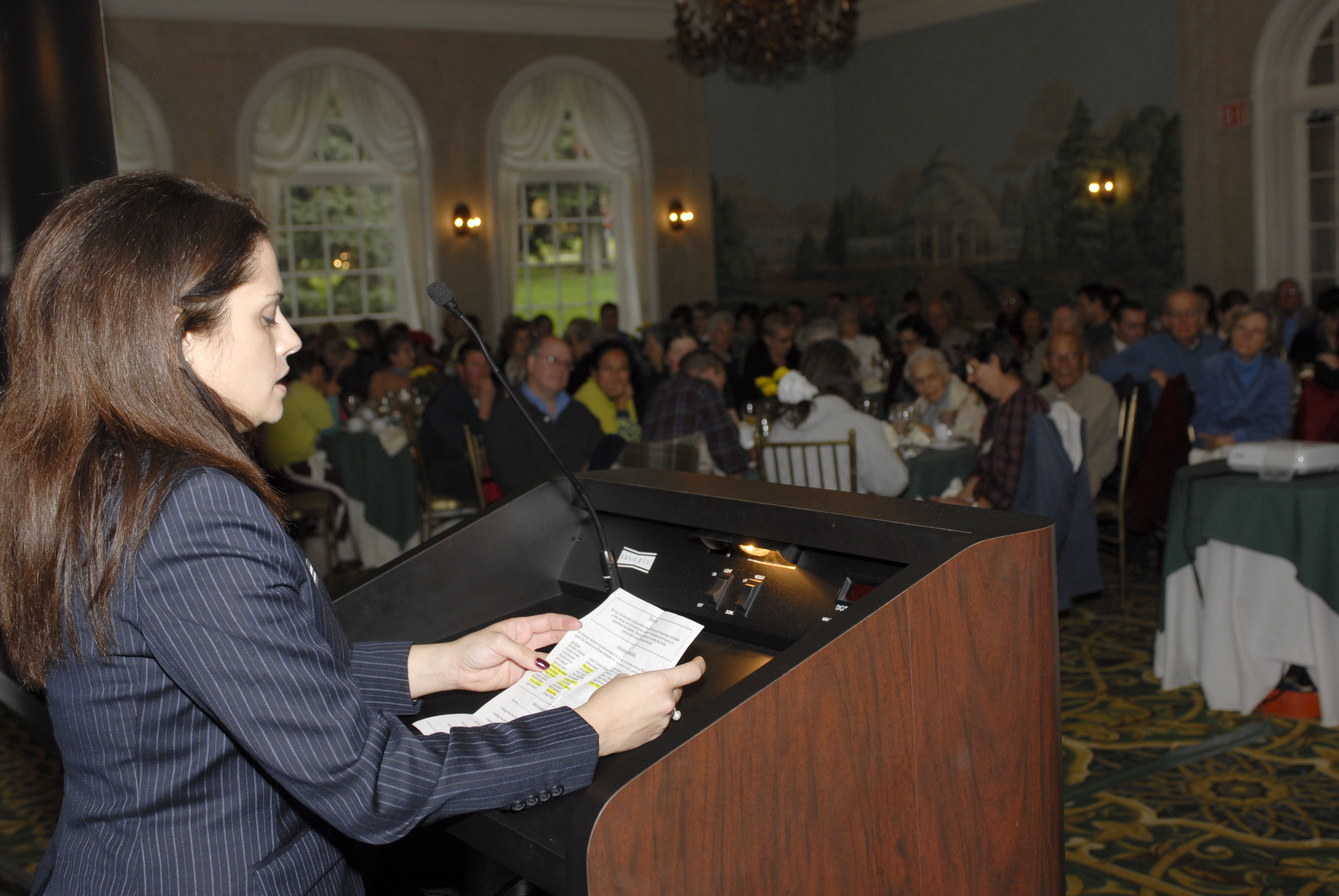
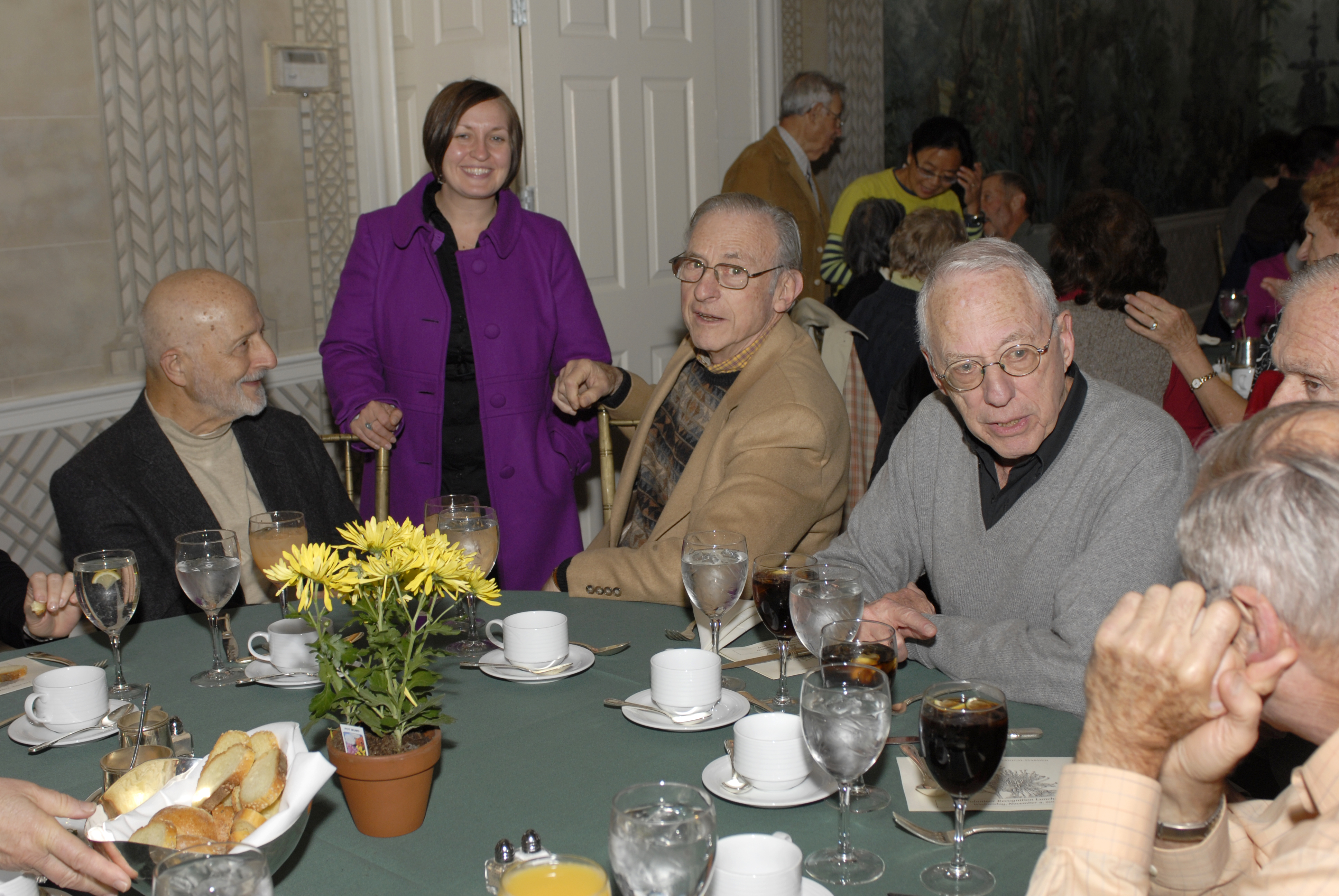
Margaret is one of many first-time volunteers the Botanical Garden welcomed this year and one of a record 1,109 people who gave 84,000 hours, playing a major role in making the Garden a special place to visit. She was among those present at this year’s annual lunch reception, which honors, praises, and thanks Garden volunteers for their generous service.
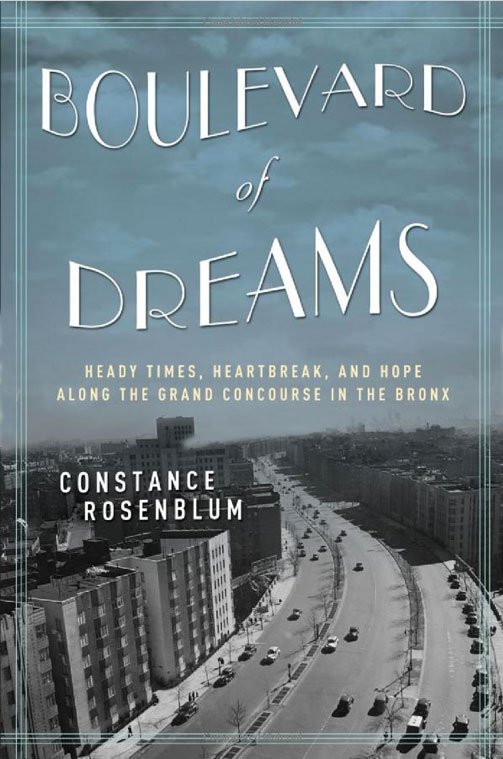
The thoroughfare, modeled after Paris’s Champs-Élysées, was completed in 1909 and saw the arrival of many Art Deco structures housing upwardly mobile Jews in the first five decades of the 20th century, followed by waves of Irish and Italian immigrants.
While Rosenblum explores various aspects of Jewish communal life near the boulevard, she also dissects the rivalry between the affluent West Bronx and the working-class East Bronx, and the racial tensions that led to white suburban flight and the decline and neglect of the area. The first major book to document the rise, fall, and current revival of this century-old Bronx landmark is a must-read for those interested in the cultural history of New York City, urban history, Jewish-American life, and yes, even baseball and the Lindbergh baby kidnapping.
Sonia Uyterhoeven is Gardener for Public Education.
I think it is worth reflecting further on the effects of the cool, rainy weather we had this season—not to reminisce but rather to attain a deeper understanding of the practice of gardening.
Something came along this year that caught people by surprise. Late blight (Phytophthora infestans) swept through the region like a hurricane and caught everyone off guard by acting like an awkward party guest who arrived early.
Meteorologically, its early appearance was logical. Late blight is a devastating fungal problem that thrives with high humidity and cool, rainy weather. It covers a plant with white powdery spores and large green to brown spots that swell to the size of a quarter. The stem is typically marked with brown lesions. This fast-moving disease can decimate a plant within a week.
In the New York area, one of the disease’s greatest targets, tomatoes, are generally planted between Mother’s Day and Memorial Day, when the temperatures are warming up. It is generally only late in the season when they are susceptible to cool, rainy temperatures.