9/11/08
Posted in People on September 11 2008, by Plant Talk
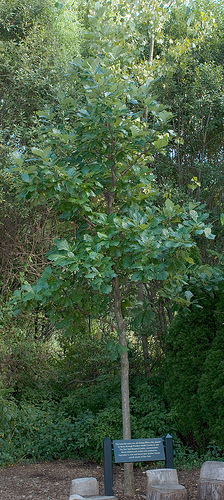
Planted September 6, 2002.
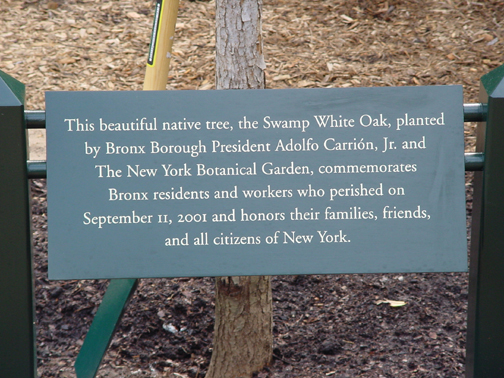

Inside The New York Botanical Garden
Posted in People on September 11 2008, by Plant Talk
Posted in Gardens and Collections, Science, Video on September 10 2008, by Plant Talk
 |
Rustin Dwyer is Visual Media Production Specialist at The New York Botanical Garden. |
Invasive Tree Cutting from The New York Botanical Garden on Vimeo.
Posted in Programs and Events on September 9 2008, by Plant Talk
| Jamie Boyer is Associate Director of Teacher Professional Development. |
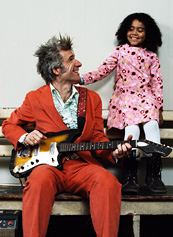 Just mention Dan Zanes and Friends to children and you can see the thrill in their faces. In fact, they will probably start singing one of the group’s catchy songs while dancing around the room.
This Grammy-winning band plays music that has a folksy feel, with a mix of traditional and non-traditional instruments. Dan Zanes likes to say that he makes “family music,” not just “kid’s music,” and you can understand why he makes this distinction. Unlike a lot of children’s music, when you hear this group you find yourself singing along because you truly enjoy the songs.
For years my family has enjoyed Dan Zanes and Friends through their albums and video. We got to experience the fun of a Dan Zanes concert when he came to Carnegie Hall in 2006. It was a great performance with songs both old and new and special guests such as Natalie Merchant, who joined the band on stage. The audience was singing and dancing at their seats; we didn’t want the concert to end.
You can imagine my children’s excitement when I mentioned that this celebrated group would be performing at The New York Botanical Garden on September 14. I know my family and I will be there, singing right along. So if you have children, or if you’re just young-at-heart, don’t miss this one-of-a-kind event to see Dan Zanes and Friends on Daffodil Hill.
Posted in Gardening Tips on September 8 2008, by Sonia Uyterhoeven
Late-Season Fragrance
 Sonia Uyterhoeven is Gardener for Public Education at The New York Botanical Garden.
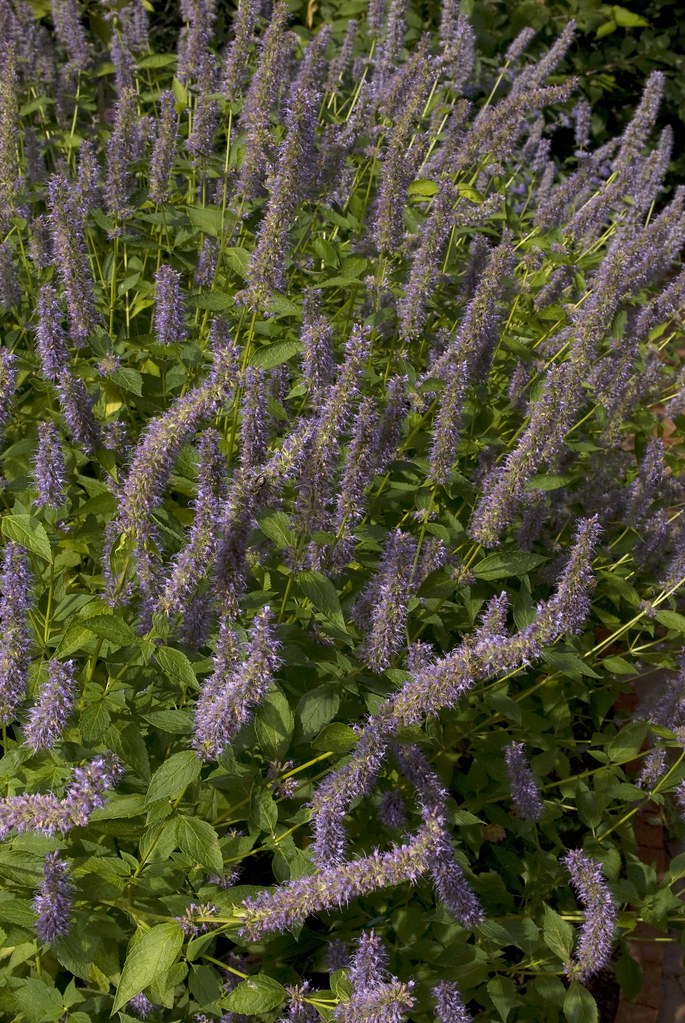 As you stroll through the Home Gardening Center you will find that some of the plants tickle your nose: Both foliage and flowers can be fragrant.
In the new Sensory Garden you will find the foliage of the anise hyssop (Agastache ‘Blue Fortune’) is delectable. Attractive to humans, its strong fragrance repels deer.
Continue your journey around the garden and you will find a number of wonderfully fragrant hostas in full bloom. Hostas? Fragrant? Hosta plantaginea is the old faithful for fragrance and has been around for years. A newer introduction, such as the tempting Hosta ‘Guacamole’, has beautiful variegated foliage in chartreuse and green as well as an enchanting fragrance. If that makes you too hungry and you’re a purist for aroma try Hosta ‘Fragrant Bouquet’ or Hosta ‘So Sweet’.
One of my favorite late-season fragrance comes from the awkwardly named bugbane (Actaea aka Cimicifuga). The full beauty of Actaea ‘James Compton’ is on display in the White Country Garden. This late-season perennial has rich burgundy foliage and spires of white flowers that unfurl in early September to produce a sweet perfume that will knock you off your feet.
Posted in Programs and Events on September 5 2008, by Plant Talk
 |
Andrew Haight is Manager of the Everett Children’s Adventure Garden. |
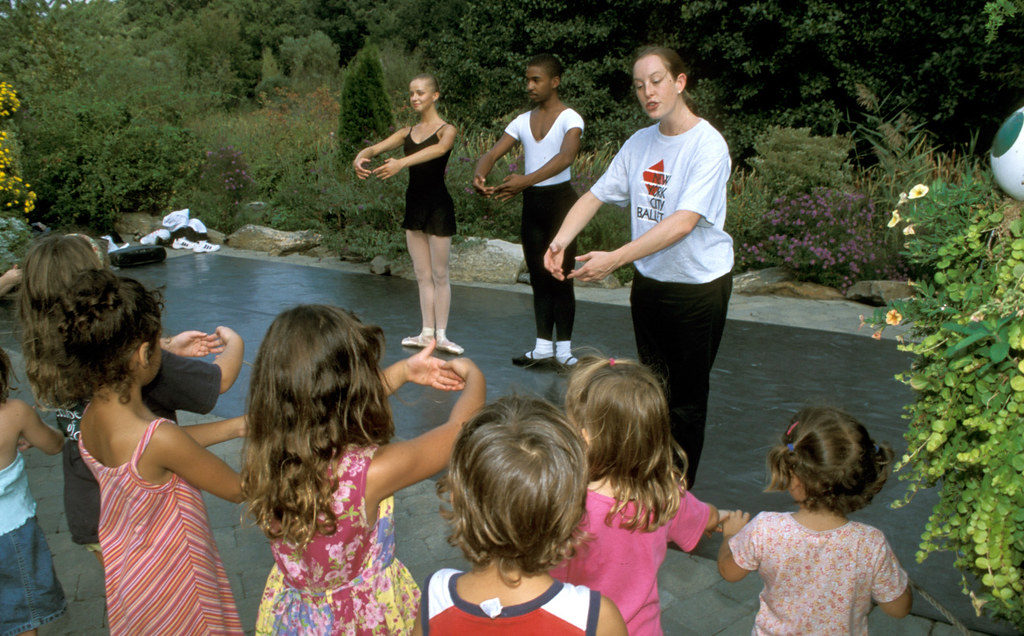 Sounds of pitter-pattering feet, swishing legs, and giggling voices float across the pond. I see through the alders a dozen or more youngsters angling their bodies to dance as if flapping in a blustery wind. Under the watchful eye of a Teaching Artist from New York City Ballet’s Education Department, the children excitedly reshape their bodies into droplets of water, now hurtling through the air.
This group and several others like it were participating in Ballet Among the Blooms, which The New York Botanical Garden hosts annually in conjunction with the School of American Ballet. Spread out across the 12 acres of the Everett Children’s Garden, young visitors embark on a myriad of adventures through mazes, colorfully planted galleries, and, this year only, onto the inspiring Henry Moore sculpture Large Two Forms, on Daffodil Hill. Along the way Teaching Artists arrange impromptu dances and expressive movements. With each area different from the last, children eagerly scamper around the bends in the path to see what the next nook or cranny of the Garden may hold.
The afternoon culminates with a presentation by students from the School of American Ballet in the Everett Children’s Adventure Garden’s Discovery Plaza. Eyes wide with anticipation, the Garden’s youngest visitors peer at the dancers as they walk and stretch at the bar, just a few feet away. Framed by giant topiary caterpillars, the dancers then display their skills and techniques for the enchanted children.
In a day full of dance and flowers, excitement is found in the lighthearted adventure and satisfaction displayed in each child’s movement and expression.
This year’s Ballet Among the Blooms is Sunday, September 7, from 2 to 4 p.m. Entry included with an All-Garden Pass.
Check out Saturday’s Programming
Check out Sunday’s Programming
Posted in Programs and Events on September 4 2008, by Plant Talk
  |
Written by Kate Murphy, a junior at Fordham University, with additional reporting by Genna Federico, a senior at St. John’s University. Both interned in the Communications Department this summer. |
One of the great things about The New York Botanical Garden is that it is nestled in the borough of the Bronx. One way the Garden reaches out to the neighboring community is through the Bronx Green-Up program.
Since 1988 Bronx Green-Up staff have provided gardening advice, technical assistance, and training to community gardens, school groups, and other organizations interested in improving urban neighborhoods in the Bronx through greening projects.
It sounded like a way of spreading the beauty of gardening throughout the borough. So Genna and I decided to get out of the office and into the field to become Bronx Green-Up community garden volunteers for a day. First thing in the morning we piled into an NYBG pickup truck and headed off to the Morrisania section of the South Bronx. Our leaders were Director of Bronx Green-Up and Community Horticulture Ursula Chanse, Community Horticulturalist Sara Katz, and intern Kris Lau.
Read about the rest of Kate and Genna’s adventures after the jump.
Posted in People, Science on September 3 2008, by Plant Talk
 |
Melanie Smith is a volunteer participating in the Citizen Scientist Forest Phenology Initiative. |
 Once a week for the past four months I have walked the Oak Trail in the Botanical Garden’s native Forest for an hour or two, looking at the trees. I’m watching—and waiting.
As each of the 31 trees in the study progresses through its annual growth cycle—leaves, flowers, fruit—I note the development on a data sheet. This, in essence, is phenology, the study of reoccurring biological phenomena.
The goal of the investigation is to mark the biological changes in each tree over the course of many seasons answering seemingly simple questions such as, “When did the tree flower? When did it drop its leaves?” This information, coupled with local temperature readings, provides useful information about how the forest is responding to climate change.
For example, if increasing temperatures offer more favorable conditions to pathogens attacking oak trees, acorn production could decrease, affecting the reproductive success of oak trees and the food supply for squirrels, chipmunks, and other species.
Today, a walk in the native Forest would reveal that the trees once prominent in northeastern forests, oaks and hemlocks, are either unhealthy or absent. On the other hand, trees that are thriving include those more dominant in southerly climates such as cherry trees and invasive species—such as the tree of heaven. The trend of successful trees indicates what the composition of this forest may look like in the future.
My weekly walk along the Oak Trail, checking in with each tree, provides a connection to the forest. I hope to apply what I have learned about data collection and northeastern deciduous forests to my graduate studies in ecology and sustainable development.
If you’d like to help with the project, come to the free training session Saturday, September 6, from 9:30 a.m. to 4 p.m. in the Watson Building, Room 302. Garden volunteers receive free admission, free parking, guest passes, and discounts on classes and at Shop in the Garden. To register or for more information, contact Jackie Martinez, Director of Volunteer Services, 718.817.8564 or volunteer@nybg.org
Posted in Gardening Tips on September 2 2008, by Sonia Uyterhoeven
Extending Your Harvest
Sonia Uyterhoeven is Gardener for Public Education at The New York Botanical Garden.
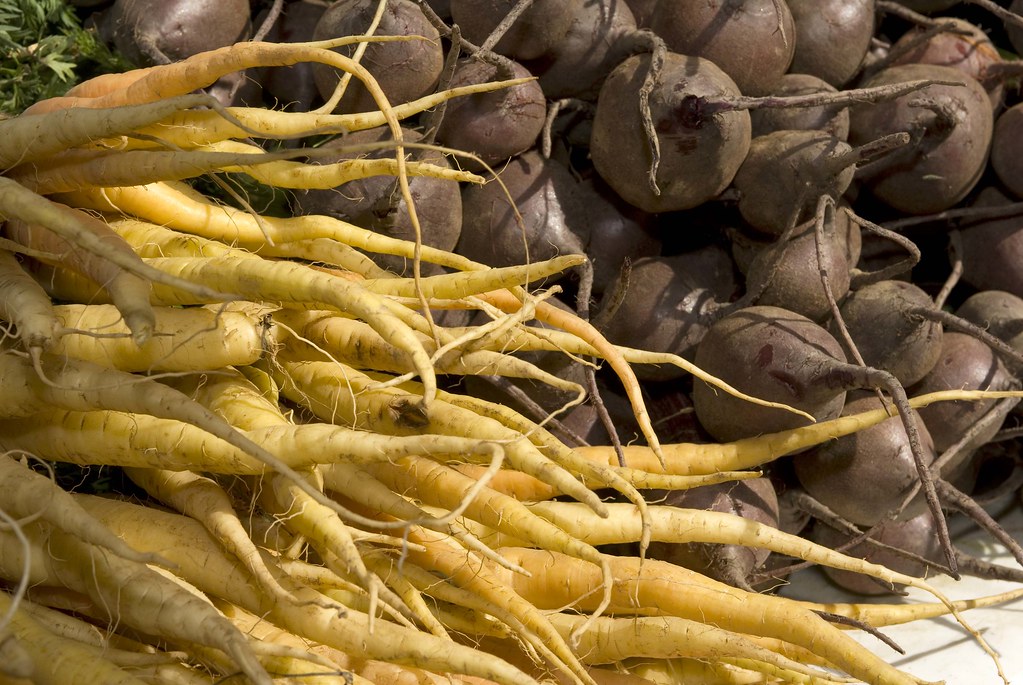 As September rolls in your tomatoes will start looking tired and your summer squashes will be looking the worse for wear. While it is time to pull some things out, the season is far from over. Extending your harvest is fairly simple.
Timing is important. Read the seed packet for the days to maturity and count backward from the first frost date in your area. Remember that the fall is cooler so everything grows more slowly. Your vegetables will be smaller—but small also means tender.
What are some good candidates for planting? Loose-leaf lettuces are ideal for a fall sowing. They love the cool weather and are a fast-growing crop. Wait until the middle or end of August and start sowing them in the garden.
Turnips and beets make superb late-season crops. They are tender when young. Young beet greens are delicious in a salad or steamed.
“Cole crops” (cabbage, kale, kohlrabi, and broccoli) can withstand a light frost. They grow well in the fall and can be planted as a second crop either from seed or transplant in mid-July to late August. By the time these vegetables are maturing, it is nice and cool.
Summer squash and bush beans are prolific. With a single sowing they easily exhaust themselves by mid-summer, so why not try growing more in two separate sowings? Plant a second crop in mid- to late-July for a late-season treat.
Posted in Programs and Events on August 29 2008, by Plant Talk
|
Written by Kate Murphy, a junior at Fordham University, with additional reporting by Genna Federico, a senior at St. John’s University. Both interned in the Communications Department this summer. |
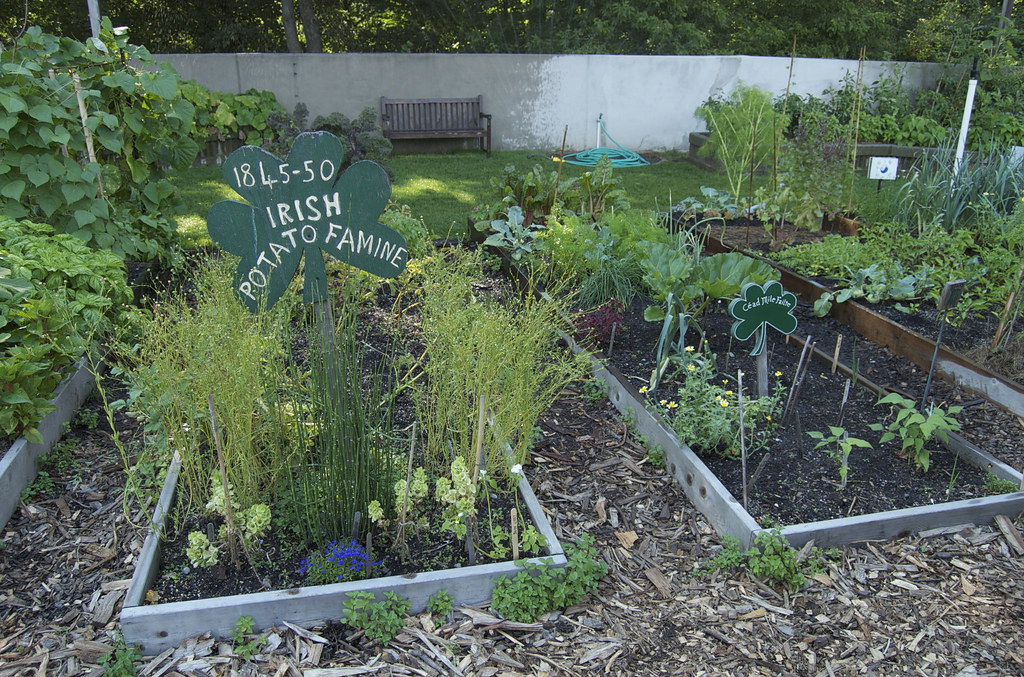 Taking a walk through the Global Gardens is like taking an international journey—minus the need for a passport and visit to Customs). NYBG visitors can drift from China to the Caribbean to Italy—in garden form, that is. And as summer (sadly) comes to a close so, too, does the celebration of the Global Gardens that has been going on all this month at the Ruth Rea Howell Family Garden. This, the final weekend of the celebration, will be dedicated to the Irish Garden, planted and maintained by Ann Creaney.
Ann became familiar with Irish gardening from first-hand experience, and her story is an interesting one, to say the least. In the early 1940s young Ann and her family visited her grandmother in Ireland. But when they were to return to America, the waters they would have to traverse by boat had been set with mines because of the war. As a result, Ann ended up living the next seven years in Ireland, time spent with no electricity and no running water but lots of gardening experience.
Read more about Ann’s journey and check out the Shepherd’s Pie recipe after the jump.
Check out Saturday’s Programming.
Check out Sunday’s Programming.
Posted in NYBG in the News on August 28 2008, by Plant Talk
|
Kate Murphy, a junior at Fordham University, interned in the Communications Department this summer. |
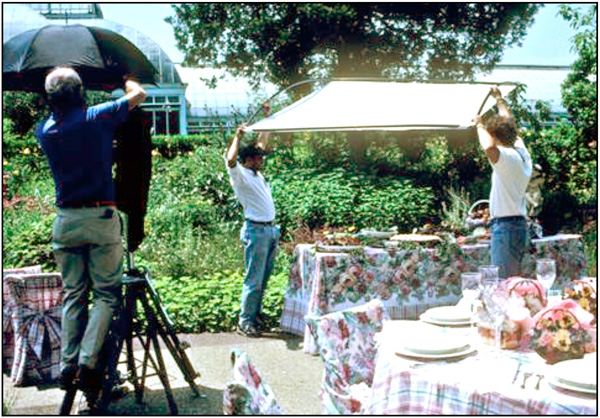 The summer blockbuster has become as much a staple to the season as sunshine and warm weather. And this summer is no different, bringing a continuous buzz of “must-see” movies. If you can’t decide whether you’d like to spend an afternoon at the Garden or at the movie theater, why not combine the two?
The 250-acre enclave in the Bronx has played host to many film shoots due to its convenient location, its beautiful grounds, and the lush interior of the Enid A. Haupt Conservatory. Following is a list of movies featuring scenes at the Garden. Rent a few of them and see if you can spot NYBG!
The Manchurian Candidate (the 2004 version) includes scenes shot in the Haupt Conservatory, the nation’s largest Victorian-era glasshouse. The all-star cast, featuring Denzel Washington, Liev Schreiber, Meryl Streep, and Vera Farmiga, attend a gala in the Conservatory in this political thriller.
Autumn in New York (2000), a sad, romantic film starring Winona Ryder and Richard Gere, utilized the Botanical Garden’s colorful autumnal grounds.
Age of Innocence (1993), a period piece chronicling the love triangle of three 19th-century New York aristocrats, also has scenes that featue the iconic Haupt Conservatory. The movie stars Michelle Pfeiffer, Winona Ryder, and Daniel Day-Lewis.
Other films shot at the Garden include Awakenings (1990), starring Robert De Niro and Robin Williams, and The Seven-Ups (1973), starring Roy Scheider.