Morning Eye Candy: Beelicious
Posted in Photography on October 8 2014, by Lansing Moore
Look at the detail in this macro shot! You can almost taste the nectar.
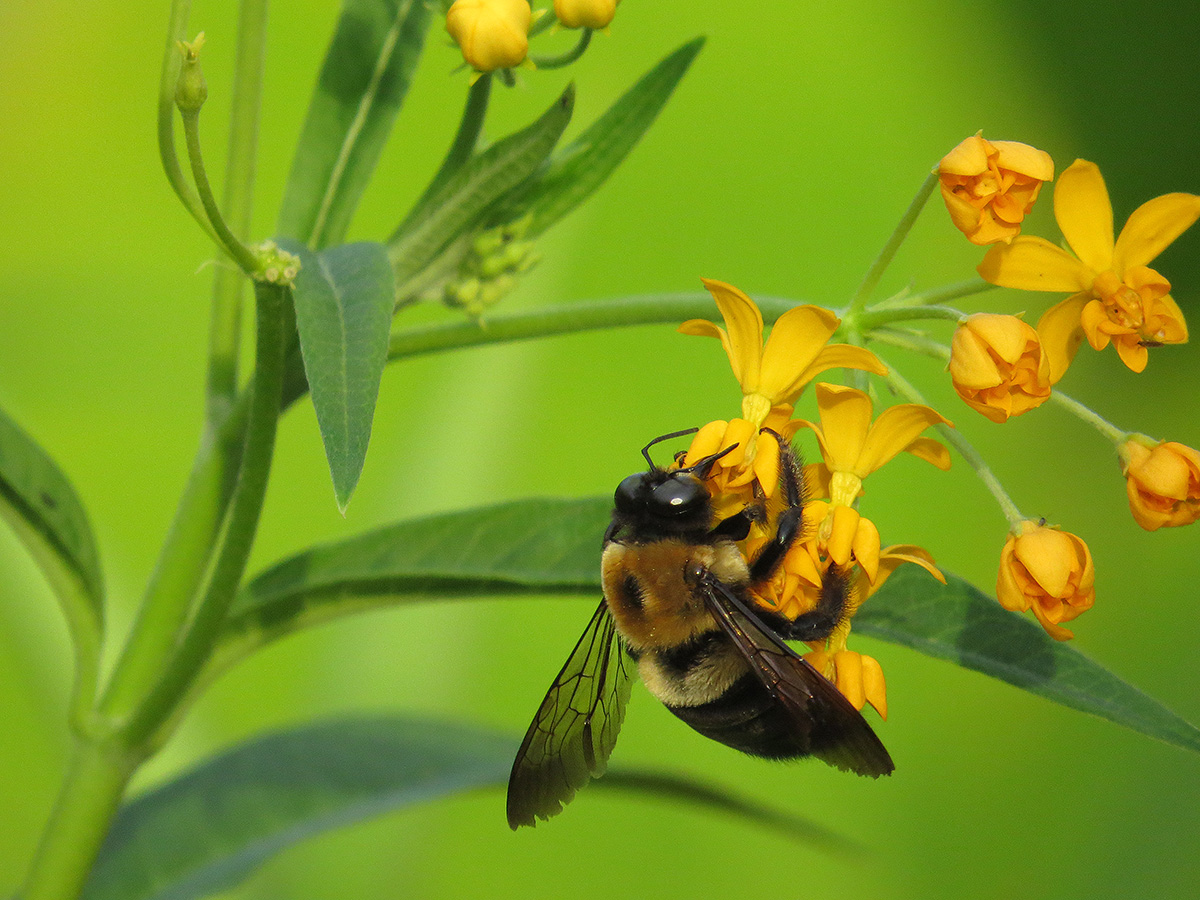
In the Home Gardening Center – Photo by Patricia Gonzalez
Inside The New York Botanical Garden
Posted in Photography on October 8 2014, by Lansing Moore
Look at the detail in this macro shot! You can almost taste the nectar.
In the Home Gardening Center – Photo by Patricia Gonzalez
Posted in Photography on September 22 2014, by Lansing Moore
This monarch butterfly will soon join the rest of his friends in migration to leave the cold northeastern winter. In the meantime, they’re still enjoying our Asteraceae!
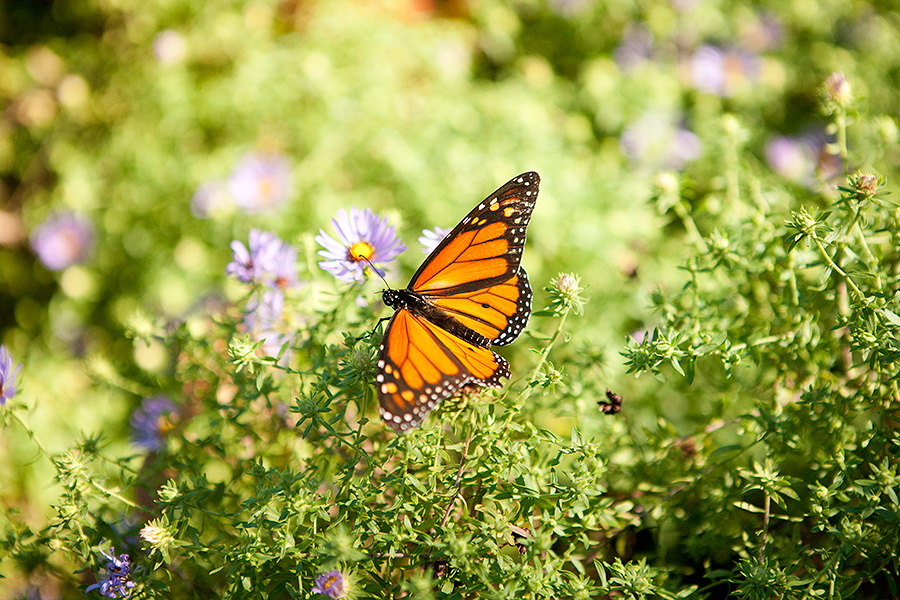
In the Home Gardening Center – Photo by Ivo M. Vermeulen
Posted in Photography on August 14 2014, by Lansing Moore
Happy pollinators are the key to a successful garden!
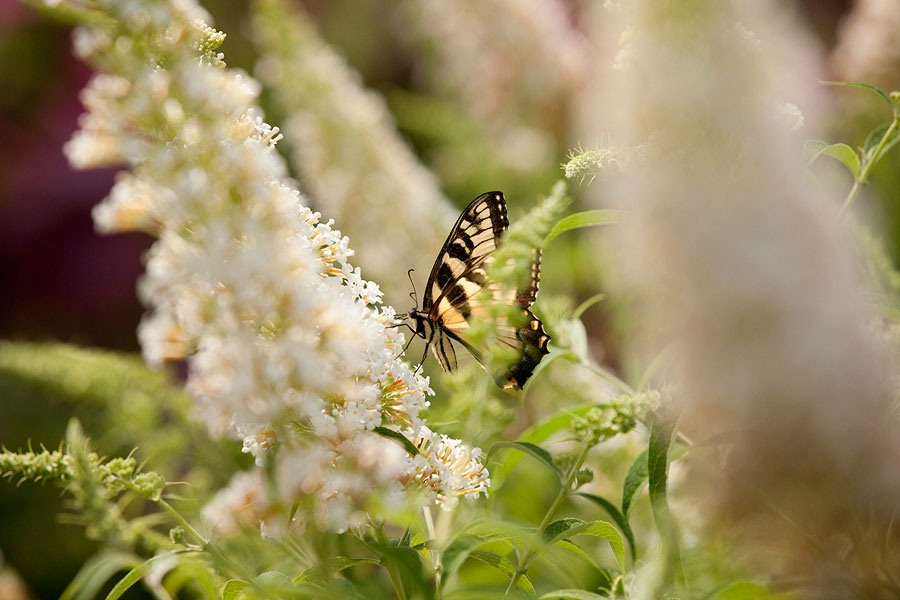
In the Home Gardening Center – Photo by Ivo M. Vermeulen
Posted in Adult Education on March 25 2014, by Leda Meredith
Leda Meredith is the Gardening Coordinator for Adult Education
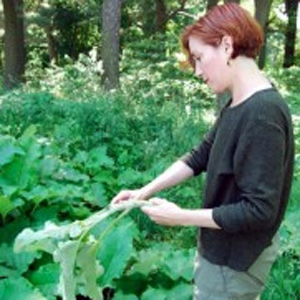 After months of an especially relentless winter, spring is officially here! It’s not only the time when sunshine and blossoms beckon, but also when we need to get busy in the garden. The gardening you do now will determine the success of your landscape through summer and even into fall. Tasks to tackle can include anything from preparing your soil for the coming year to making the leap toward designing a pollinator-friendly garden. For those of you more concerned with indoor plants, it might be time to think about a spring repotting!
Whatever your focus, NYBG’s Adult Education courses offer you plenty of opportunities to become a better gardener. They might even give you the confidence to try something entirely new in your home garden. Here are my picks for the classes that will give you the skills you need for your best gardening year ever:
Posted in Gardening Tips on October 16 2012, by Sonia Uyterhoeven
Sonia Uyterhoeven is the NYBG‘s Gardener for Public Education, often hosting live gardening demonstrations for visitors on Saturdays and Sundays.
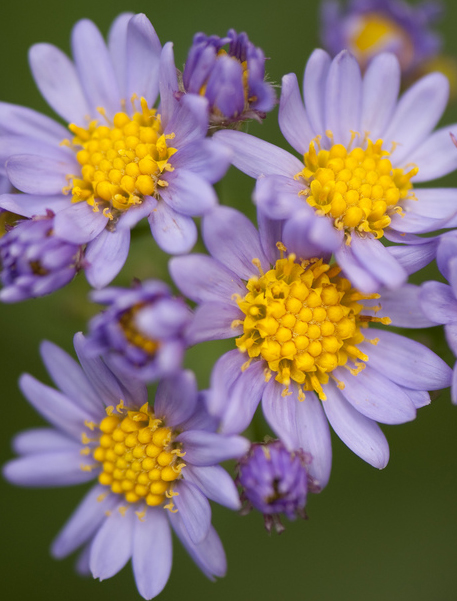 The other week, I was with the Students of Professional Horticulture, taking them on a walk around the Home Gardening Center while discussing wildlife gardening. Technically, any time of the year presents the opportunity to lecture about attracting wildlife into the garden, but fall is a spectacular occasion.
We passed by one of my favorite asters, Aster tartaricus ‘Jindai’, that was smothered with bees and butterflies–monarchs and red admirals on this occasion. ‘Jindai’ is a compact tartarian aster that reaches three to four feet in height (the species can grow up to six feet tall). It was discovered at the Jindai Botanical Garden in Tokyo, Japan.
This sturdy variety has stolen my heart since it doesn’t require any staking. The large foliage of the aster is full at the base of the plant and then tapers nicely as it extends up the stem. In September and October a profusion of flowers adorns these tall stems, a lovely combination of medium purple ray flowers with bright, buttery yellow disc flowers. The complementary colors play off of each other exquisitely.
Posted in Around the Garden on August 24 2012, by Matt Newman
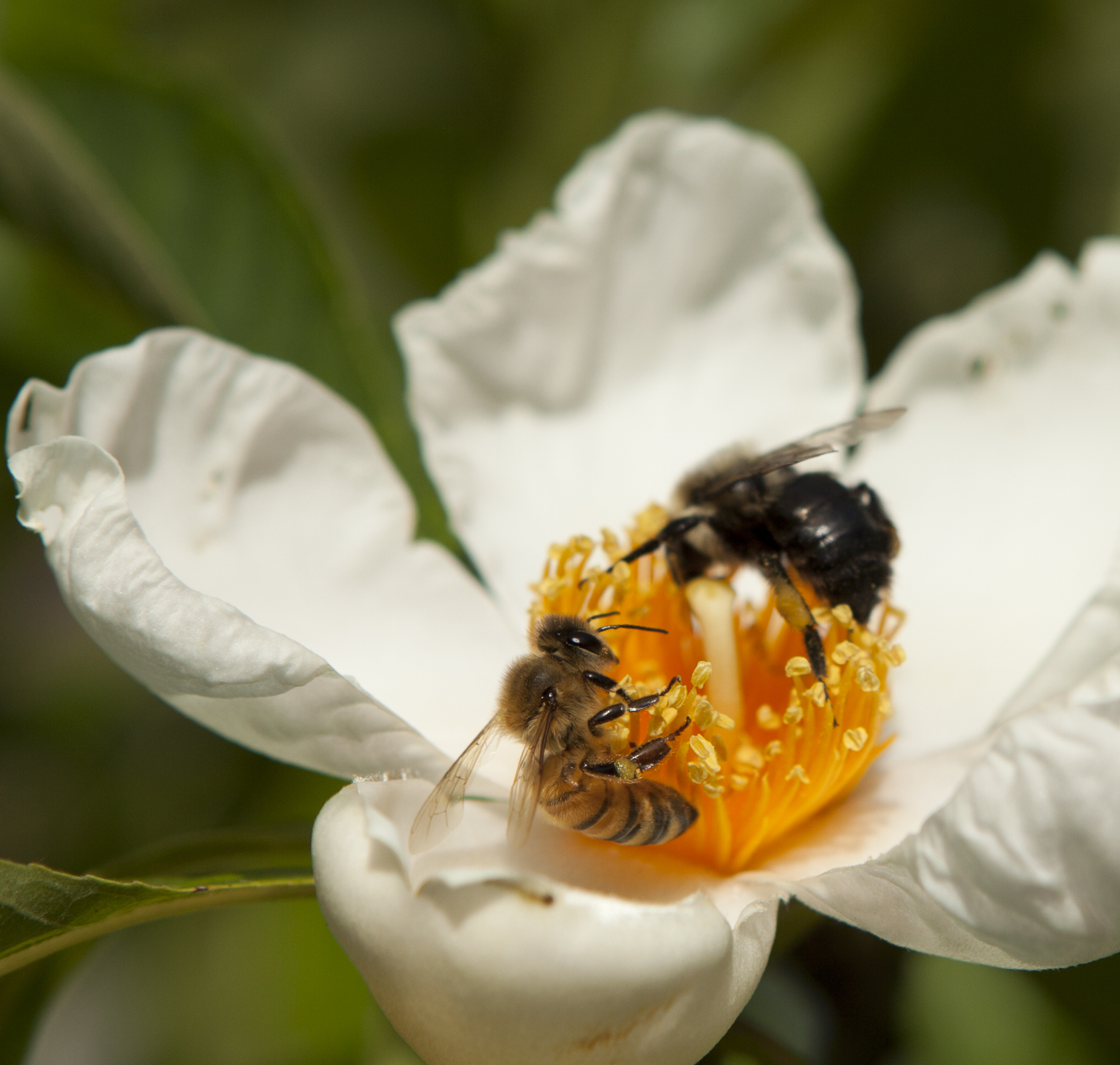 Would I say there’s a busy atmosphere about the Ruth Rea Howell Family Garden this weekend? Definitely. But would I say there’s a…buzzy atmosphere? Seeing as I’m absolutely the kind of guy to kick off a wave of pained groans by dropping such a boulder of a pun, I’m going to go ahead and affirm that one. As of this week, New York’s favorite vegetable garden is looking beyond the tomatoes and cucumbers to the pollinators that make them possible, and that includes our lively honey bees!
Overlooking the NYBG‘s one-acre vegetable plot is a pair of active beehives that you can see and read about in one of our earlier picture galleries, but if you really want to grasp just what it is that has New York City’s rooftop gardeners going mad for apiculture, you and your children should come and visit. Through “Pollinator Pals,” we’re opening up this integral piece of the agricultural puzzle with fun activities for kids, as well as the opportunity to see first-hand how a beehive works and even sample a few different types of honey. The experience isn’t limited to what you get in a bear-shaped squeeze bottle at the supermarket–what’s growing near the hive can noticeably influence the nuanced flavors of the honey the bees produce.
Posted in Behind the Scenes on July 15 2011, by Ann Rafalko
Hello from Leah and Francesca! We are high school students interning for the summer here at The New York Botanical Garden. We are working on research projects for science competitions like the Intel Science Talent Search (Another NYBG high school intern’s project made it into the finals of this prestigious competition this year!). We will both be seniors in September, Leah Buchman at South Side High School in Rockville Center, and Francesca Giordano at Yorktown High School. This summer we are both working on an expansion of projects that we began in the summer of 2010.
Leah’s Project
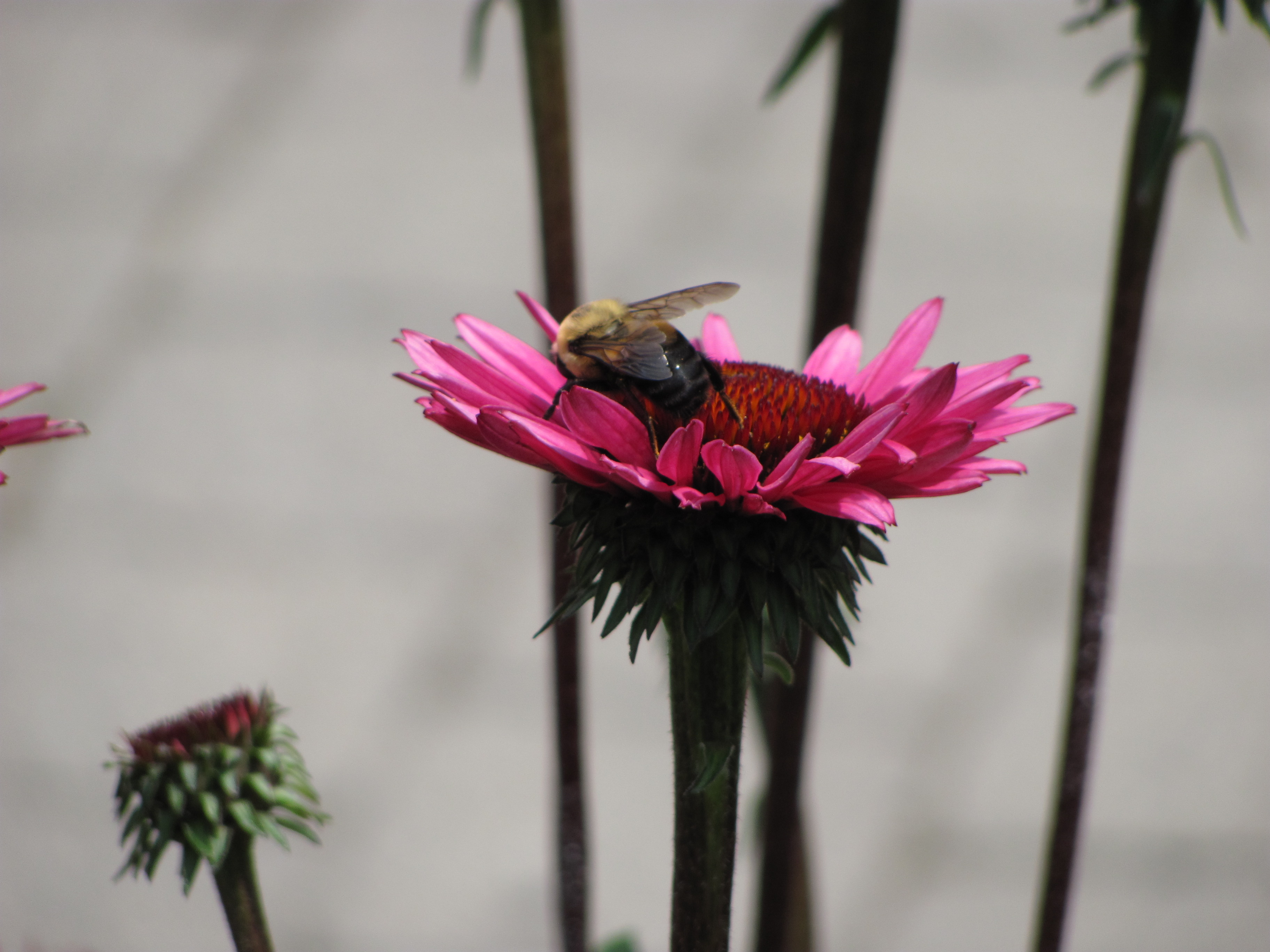
Last summer, I did a study on the diversity of bees within different areas of the Garden. I caught bees in 10 areas of the Garden and learned to identify the bees with help from Dr. John Ascher at the American Museum of Natural History. Using four different indices of diversity–evenness, abundance, richness, and Shannon-Weaver diversity–I was able to conclude that there is a higher diversity of bees in areas that have a greater diversity of flowers.
The specific area of the Garden that has the highest diversity is the Seasonal Walk. This summer I am looking at the gender of bees to see if there is any correlation to the flowers visited. For example I am hoping to answer questions like: Do male bees go to certain flowers while females go to others? Feel free to come stop by and say “Hi!” I will be the girl with the net and bright colored bowls in the Perennial Garden, Ladies Border, Seasonal Walk, and Home Gardening Center this summer.
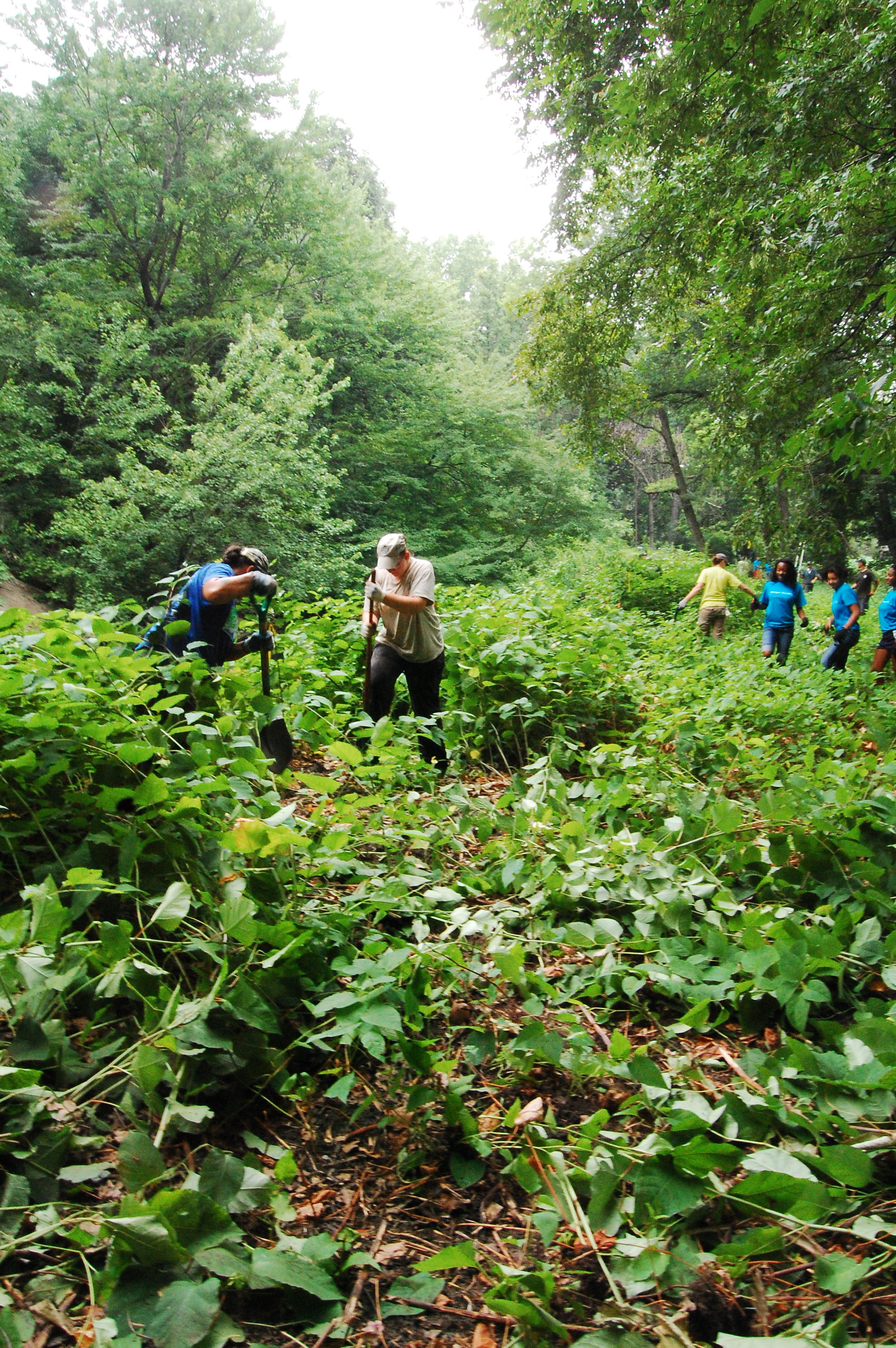
Francesca’s Project
My research is a study on management of the invasive plant, Japanese Knotweed. Now you’re probably thinking: What is an invasive plant? Little did you know, but plants can be pretty vicious, especially Japanese Knotweed. It is a non-native plant that grows rapidly and blocks sunlight from reaching desired plants. Japanese Knotweed is also known for having an underground stem called a rhizome. This rhizome contains the stores of energy that the plant uses for growing, plus additional reserves. The rhizomes contain enough energy to allow one plant to sprout over 250 shouts just from a single underground stem! Our goal is to increase the diversity of the native plants along the Bronx River by using best management practices to control the Japanese Knotweed.
What we found so far is that two treatments–cutting and grubbing the Japanese Knotweed–are equally effective. In phase two, which is the project I am working on this summer, we will be repeating the same treatments from last year in the hope that they will further weaken the persistent Japanese Knotweed and increase native plant diversity. These plots are located long the Bronx River bank just south of Magnolia Way Bridge. Come check it out and see for yourself! I am also being assisted in my field work by the Explainers and the School of Professional Horticulture, and by volunteers including groups from American Express, Goldman Sachs, and Christodora.
We hope to see everyone here this summer!
Posted in Photography on February 19 2011, by Plant Talk
Apparently it’s not just visitors, flowers, and staff that were made happy by this week’s warm snap. This bee looks pretty happy (if such a thing may be said), too. See what else is beautiful at the Garden now.
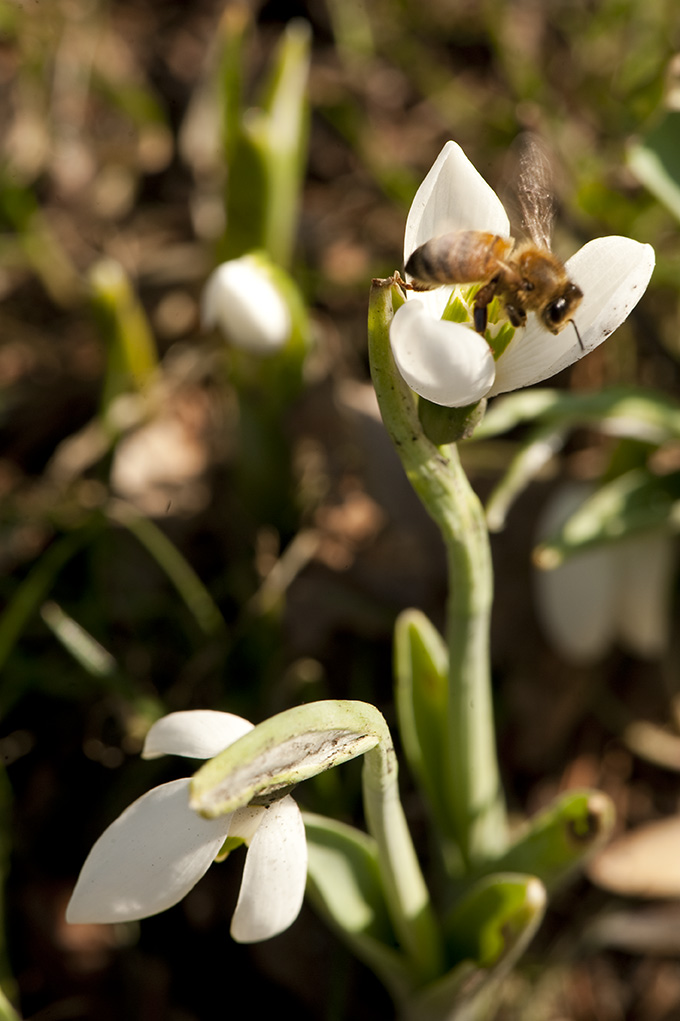
Bee in Giant Snowdrops, Galanthus elwesii (photo by Ivo M. Vermeulen)