Inside The New York Botanical Garden
Matt Newman
Posted in Ledermans-Lens on May 9 2017, by Matt Newman
Larry Lederman‘s lens takes you to the Garden when you can’t be there and previews what to see when you can.
 For those who weren’t able to make it to The New York Botanical Garden during the height of its blooming crabapples and daffodils, Larry Lederman has the solution. During a late April trip to the Garden, he spent time exploring the grounds with his camera, capturing the rainbow of contrasting colors to be found on Daffodil Hill and its surroundings.
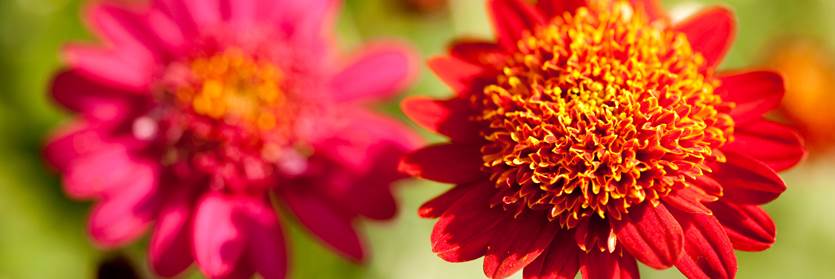
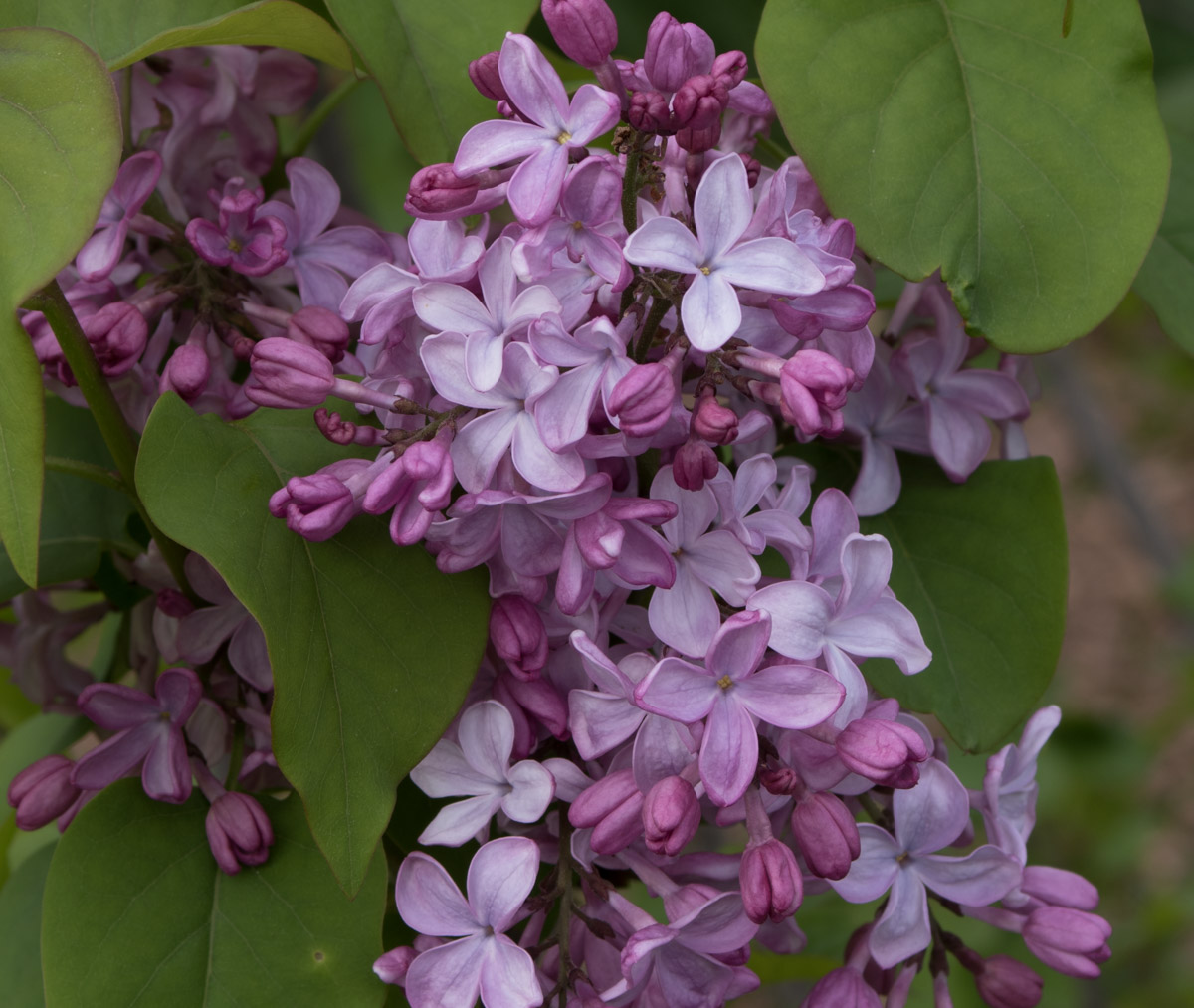
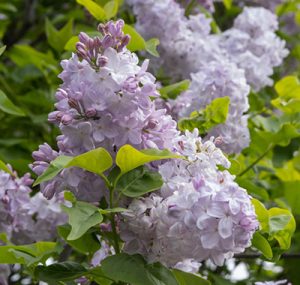
Whites, pinks, reds, and purples mingle with the soft creams and yellows of the daffodils, while a quick stop over in the Burn Family Lilac Collection reveals the fragrant clusters of flowers that define one of our most popular collections this time of year.
You can still find blooming crabapples and lilacs here in early May, while tulips throughout the grounds and the undeniable spectacle of the Azalea Garden now move into the spotlight. Stay tuned in the coming weeks as the spring show and its many acts continue to unfold.
Lilacs
Picture 1 of 9
Magenta buds of Syringa x hyacinthaflora 'Esther Staley' unfold into sweetly scented pink flowers. This early blooming lilac cultivar has twice won Royal Horticultural Society's Award of Merit, in 1961 and again in 1993.
Posted in What's Beautiful Now on May 8 2017, by Matt Newman
When the daffodils have faded and the cherry blossoms are snoozing for the season, you can always count on the Azalea Garden to bring the next big pop to our 250 acres. And that’s exactly what this week is about. As of right now, the azaleas are at about 90% of the way to peak bloom, and we expect this weekend—during our Mother’s Day Weekend Garden Party—to see the height of color before they begin to fade.
With the flowers coming going at a rapid pace, you won’t want to miss out!
Perennial of the Week: Trillium grandiflorum f. polymerum 'Flore Pleno', double large-flowered trillium
Picture 1 of 8
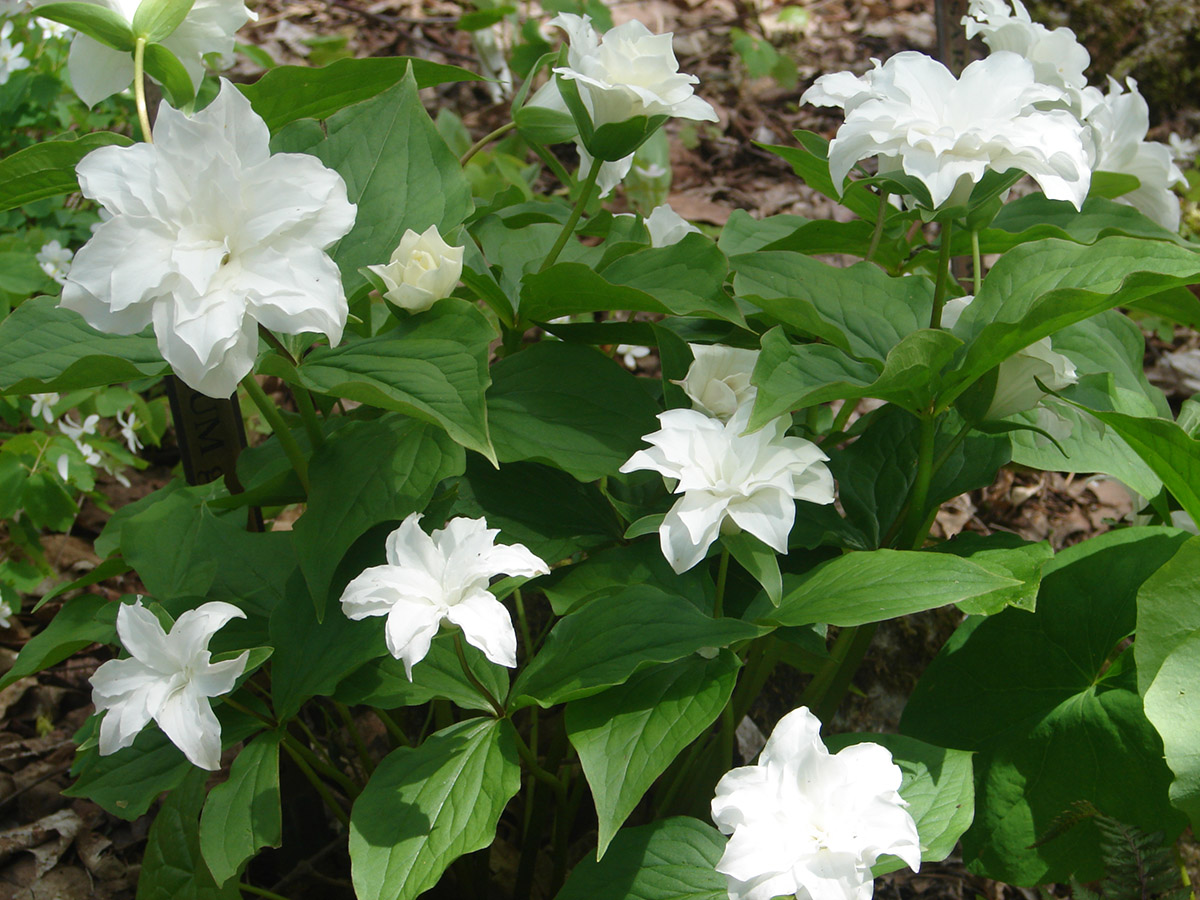
Trillium grandiflorum forma polymerum ‘Flore Pleno’ comes from a naturally occurring sport and has upright, bright-white, double flowers. This rhizomatous plant forms clumps at an excruciatingly slow pace, which is, perhaps, one of the reasons it is so highly coveted. If you find yourself meandering through the Native Plant Garden, don’t forget to look down! You can find this beauty and other delightful trilliums sprinkled across the landscape.
Posted in What's Beautiful Now on May 1 2017, by Matt Newman
From the bloom of our ever-fragrant lilacs to the dainty dramatics of the Auricula Theater, spring’s progress isn’t hard to see here at NYBG. The crabapples are waking near Daffodil Hill, and the magnolias—always some of the season’s top charmers—are still trucking along with pink and white blooms. Meanwhile, the Azalea Garden is becoming a sea of color.
Check out what’s beautiful now!
Tree of the Week: Cornus florida, Flowering Dogwood
Picture 1 of 11
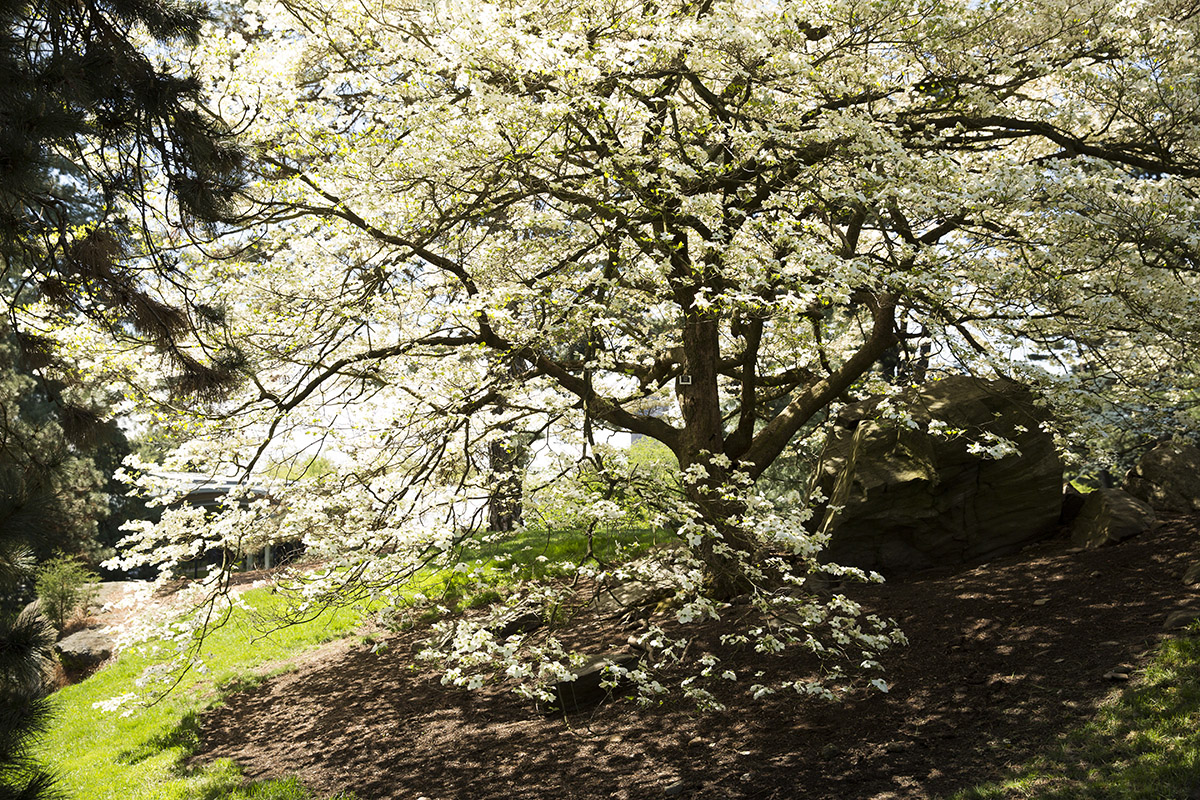
Flowering dogwood is a lovely deciduous tree with year-round appeal including spring blooms, showy fall fruit and foliage, along with interesting bark. In spring before the plants fully leaf out, small green and yellow flowers open surrounded by creamy white, showy bracts. Groupings of the cultivar ‘Cherokee Princess’ are located in the native border of the Native Plant Garden and on the slope outside the Stonemill. Other cultivars and species of this smaller native tree are concentrated in the Native Plant Garden, Azalea Garden, and in the Forest.
Posted in What's Beautiful Now on April 24 2017, by Matt Newman
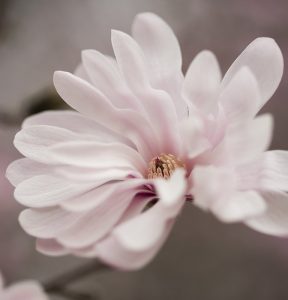 Classic fragrance and color define the Garden this week with the addition of the Azalea Garden, Magnolia Collection, and Burn Family Lilacs to our growing list of spring beauty. With the daffodils at peak bloom, now is the time to see them, and this weekend’s Daffodil Celebration & Wine Weekend should give you even more reason to be here!
Head below to see just a few of the many flowers coming into vogue this week across NYC’s most stunning 250 acres. With spring marching on, we’re seeing new and exciting growth each and every week!
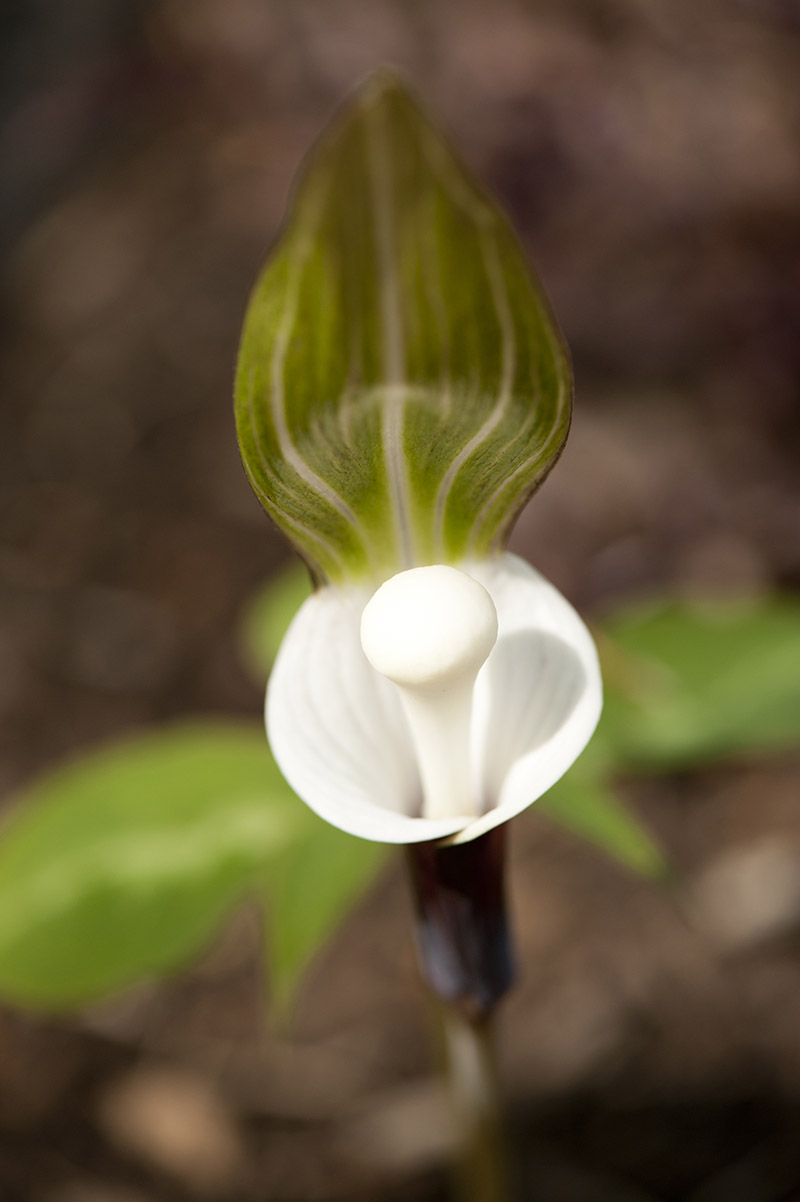
Perennial of the Week: Arisaema ringens, cobra-lily
Picture 1 of 9
Arisaema ringens is a spectacular, Japan-native perennial commonly known as cobra-lily. Emerging from the spring soil as a seemingly sinister spear, this beauty opens to reveal two trifoliate leaves and a single cobra-like flower. Despite having a hooded, green and purple spathe, flies (the primary pollinator) still manage to find the inner yellowish white spadix. A. ringens goes dormant in the summer after flowering.
Posted in Around the Garden on April 18 2017, by Matt Newman
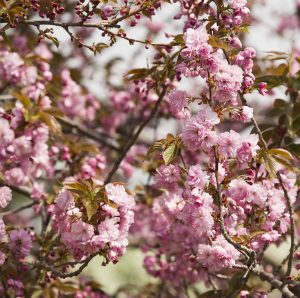 Spring’s beauty is settling into its groove this week, with strong showings from both our cherry trees and our daffodils. They should reach peak color soon, meaning this week and into the weekend will offer a great opportunity to see these collections in rare form!
Elsewhere in the garden, such as the Rock Garden and Home Gardening Center, early tulips are beginning to make an appearance, while the magnolia collection is now blooming and fragrant.
See what’s happening below!
Daffodil Hill & Liasson Valley
Picture 1 of 6
The show is on with hundreds of thousands of daffodils blooming across these two collections and throughout the Garden. Expect peak color this week!
Posted in Around the Garden on April 12 2017, by Matt Newman
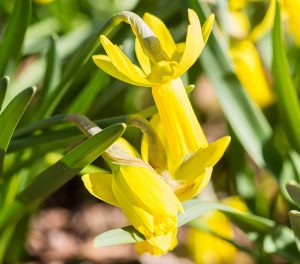 After a shaky start to spring, with cold and warm days jostling for the lead, this week’s steady warmth has finally cut the ribbon on the start of the season’s flowers. All across our 250 acres you’ll find collections waking up with purples, pinks, yellows, and whites, providing fragrance and beauty after the long winter.
Have a look at just a few of the highlights to be found this week, then plan your visit to NYBG! It’s only going to get better from here.
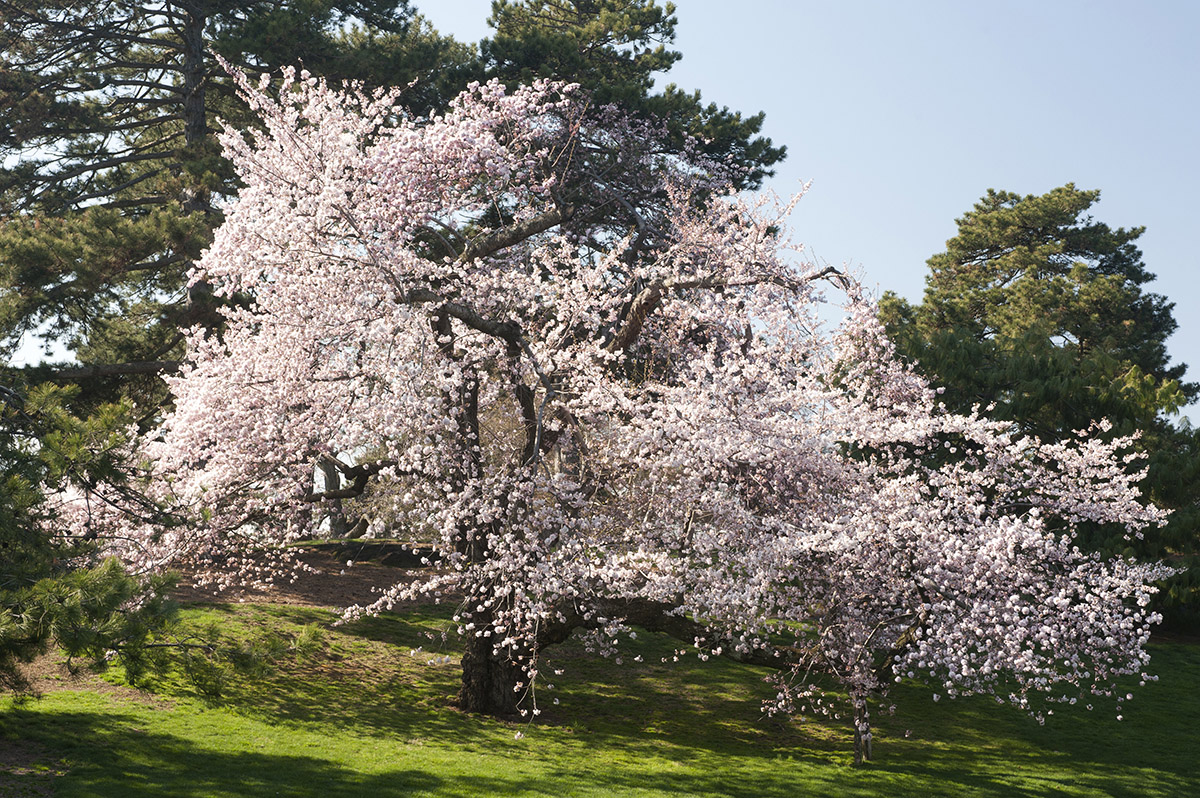
Prunus × yedoensis 'Akebono'
Picture 1 of 6
Flowering cherries are among the first trees to herald the arrival of spring. Look for them throughout the Garden grounds, where their pink and white blossoms are easily spotted during their fleeting glory.
Posted in Photography on February 24 2017, by Matt Newman
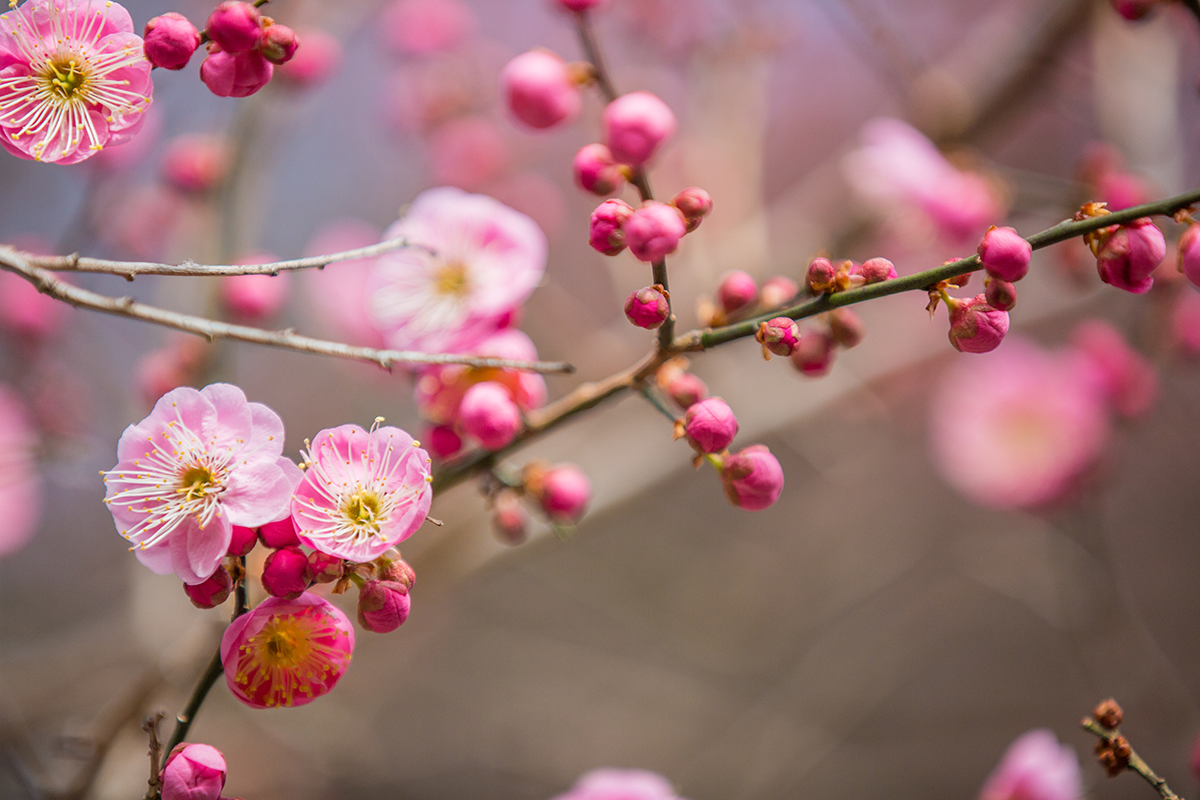
Prunus mume 'Peggy Clarke'
The weather’s warm late February turn has convinced many of our plants to peek into bloom! All around the Garden you’ll find crocuses, snowdrops, camellias, and hellebores coloring our collections with particolored petals. With the sun up and the birds singing, now’s a great time to shake off your winter blues at the Garden.
Posted in Photography on November 16 2016, by Matt Newman
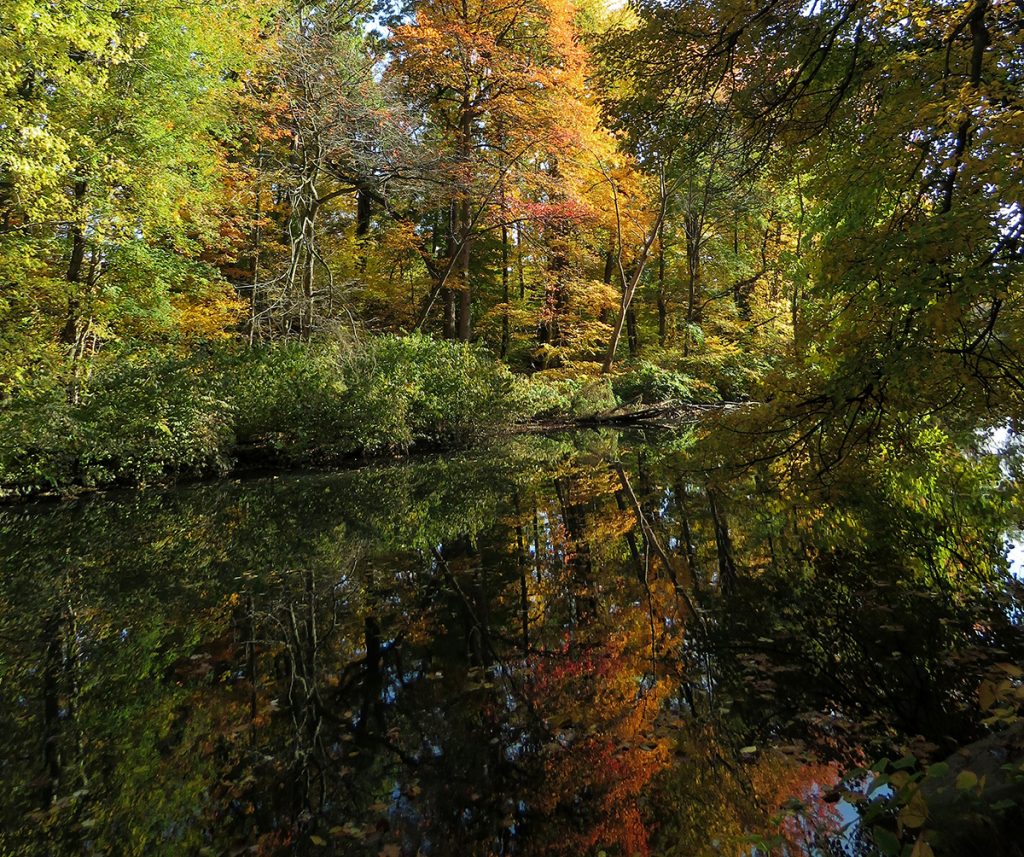
Along the Bronx River – Photo by Patricia Gonzalez
Posted in Photography on November 4 2016, by Matt Newman
Larry Lederman‘s lens takes you to the Garden when you can’t be there and previews what to see when you can.
Fall at the Garden is a time of tremendous change, but it begins in small fits and starts. You can see it in the way shafts of light slip through the trees, and in the first hints of leaf color peeking from the tips of their branches. In recent weeks, Larry Lederman has explored these scenes with his camera, visiting the Native Plant Garden and the Thain Family Forest—often the most vivid fall displays at the Garden.
Here you’ll see deciduous trees at the earliest stages of their seasonal switch, just beginning to show color and certainly wearing the early morning fall sun well.
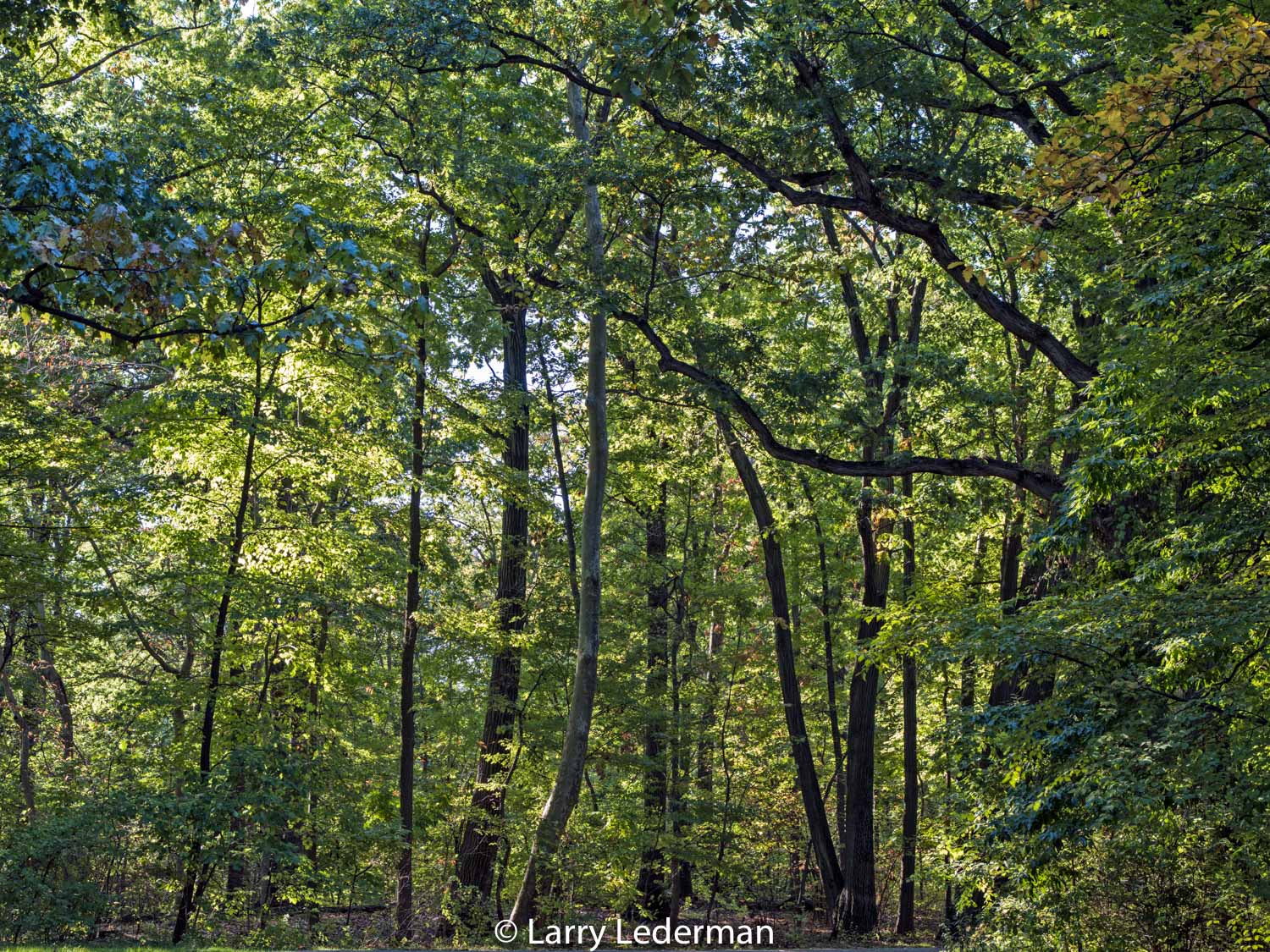
Thain Family Forest
Picture 1 of 6
Numerous tree species in the Thain Family Forest.
Posted in Photography on September 23 2016, by Matt Newman
Larry Lederman‘s lens takes you to the Garden when you can’t be there and previews what to see when you can.
This week, Lederman’s Lens takes us through the Home Gardening Center and straight on to the Ladies’ Border, stopping at the Herb Garden on the way, where contrasting elements of picturesque, playful flowers and structured foliage create a theme of order and flair. Soft-profiled dahlias and clematis complement the more rigid elements of cardoon and yucca, offering the best of both aesthetics.
Home Gardening Center trial beds
Picture 1 of 9
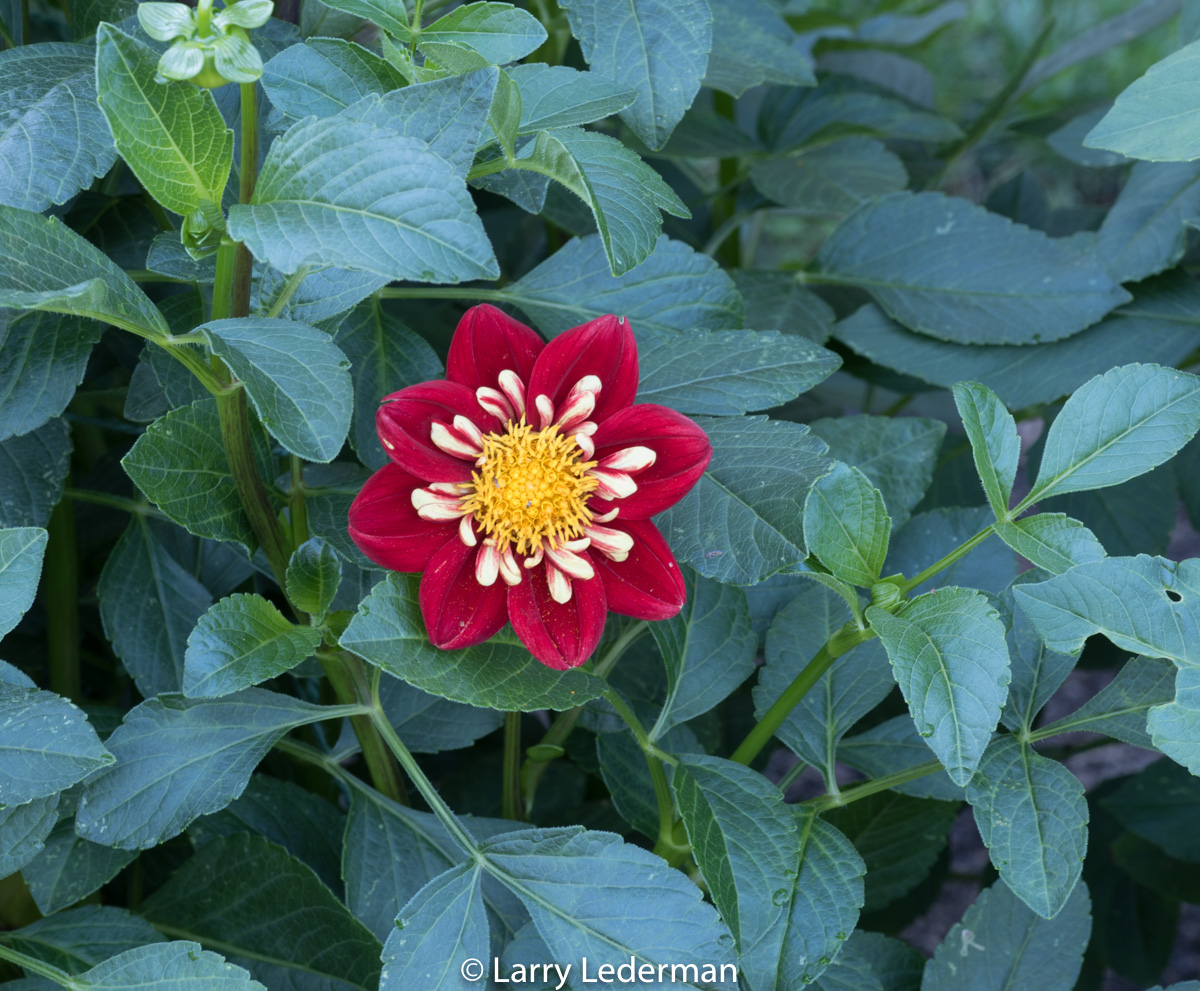
This is Dahlia 'Heartthrob', a collarette dahlia with striking contrast in the Home Gardening Center's trial beds.