Much to Do Here, Even at this Time of Year—Surprised? Carol Capobianco is Editorial Content Manager at The New York Botanical Garden. Yes, it’s below freezing outside. Yes, most plants are dormant and bedded under a blanket of snow. Yes, it’s a great time to come to The New York Botanical Garden with fresh eyes to take in the standing and specialty exhibits you haven’t yet seen.
Surprise your friends, kids, or lover by suggesting a day at the Garden in winter. It may seem a little offbeat, but what a treat it can be, because there is so much to do here.
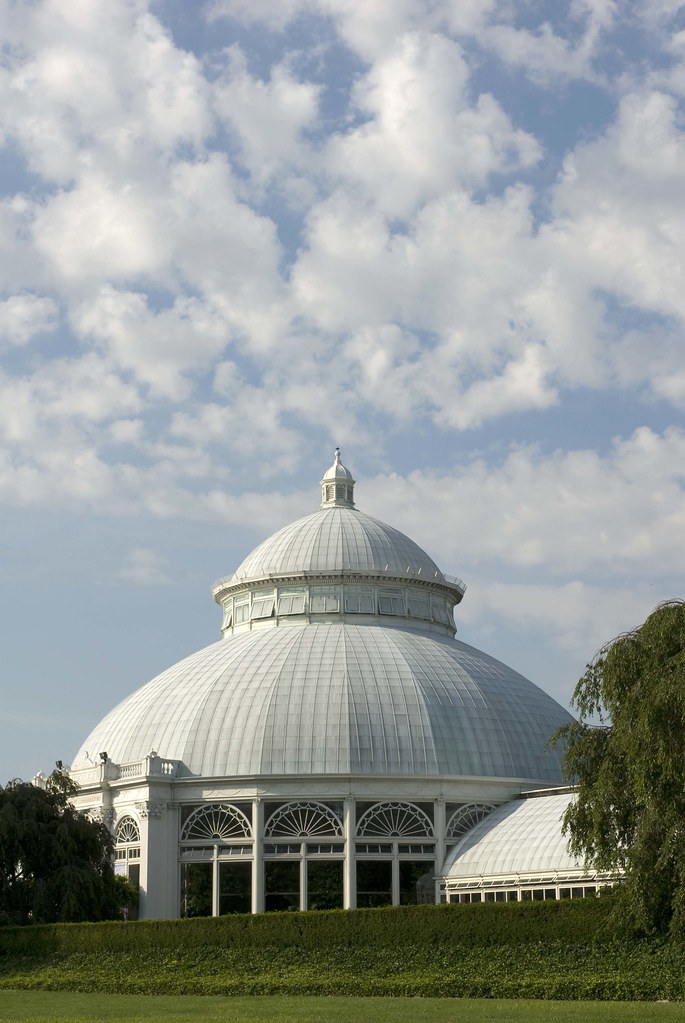
For the snuggly set: Don’t like the cold? Warm up inside the glasshouse galleries of the Enid A. Haupt Conservatory for an ecotour around the globe in A World of Plants. Use the self-guided audio tour, or experience the exhibit with a docent tour. Later, stop at one of the Garden’s Cafes for soup, lunch, and hot beverages, and duck into Shop in the Garden to select a needed gift or a good gardening book to cozy up with.
For the procrastinators and the “let’s do it again” folks: Whether you still haven’t seen Moore in America or want to see it again in a different season, these are the final days of the largest outdoor exhibit of sculptor Henry Moore’s works ever presented in a single venue in America.
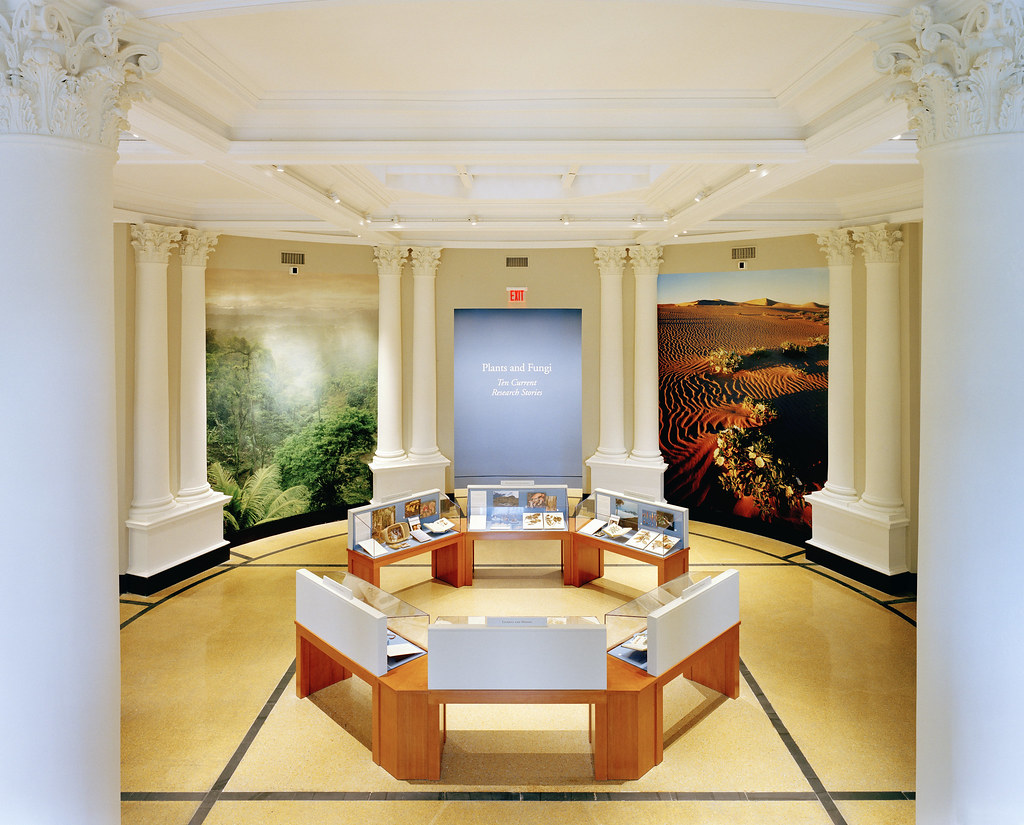
For the curious: Discover what the Botanical Garden’s scientists are researching and understanding worldwide in the ongoing exhibit Plants and Fungi: Ten Current Research Stories. In fact, Garden scientist Dr. Amy Litt will be giving a talk in the gallery on Saturday, February 7, at 1 p.m.
For the family: Get hands-on with fun activities that explore the fascinating life and accomplishments of the man who helped peanut, soybean, and sweet potato farmers in The Life and Work of George Washington Carver.
For the browser: Spend time perusing the world-renowned collection of botanical books in the LuEsther T. Mertz Library. You will want to visit again and again—the Library holds more than 1 million items spanning 10 centuries.
For the photography enthusiast: View the vibrant color portraits of heirloom tomatoes by Victor Schrager on exhibit—a sampling of the amazing 500 varieties grown every year in the garden of acclaimed food writer Amy Goldman—in The Heirloom Tomato. Bring your camera and take your own fantastic images of the shapes of trees, the Garden’s snow-covered landscape, and the tropical plants in the Conservatory (and share them with us on Flickr).
For the lifelong learner: Cultivate yourself by attending one of the many course offerings of the Continuing Education department. In fact, you can start by signing up for the Special Saturday, all about shade gardening, to be held tomorrow, February 7.
Trees, Earth’s largest and longest-lived plant forms, are Nature’s gift to us. They provide for our sustenance—giving us fire, fruit, shade, shelter, medicine, and soil enrichment—and they beautify our environment. Fittingly, trees hold a lofty position in many cultural traditions, symbolizing qualities such as wisdom, fertility, courage, or strength. And the prominence of trees in folkloric and religious practices reminds us of the many blessing they bestow. For some people trees offer solace, for others they represent ongoing life, and for others they enlarge the definition of “community.”
Wendell Berry, novelist and essayist, sees trees from this last perspective. “You’ve got to understand what kind of creature a tree is…they have to receive from us certain deference, a certain respect, as we would extend to any neighbor.”
When trees are seen as our neighbors, commingling in everyday life, they become a part of our family, standing as silent sentinels, growing amid—and despite—the tumult of human activity. It is the idea of a tree as ally and protective presence that stirs my imagination and compels me to “talk to the trees.”
In my visits to The New York Botanical Garden I often silently talk to the trees. I have special trees that I go to again and again. One of my favorites is the grand Katsura tree (Cercidiphyllum japonicum) that is standing on the right side of the Library building. At any time of year I can walk beneath its spreading boughs and feel a sense of lightness envelop me. The peace and serenity that permeates the atmosphere is palpable. It is as Eckhart Tolle writes in his book Stillness Speaks: “When you look at a tree and perceive its stillness, you become still yourself.” In my case, it is more than looking, it is a true communion.
Samantha Buck is an Interpretation Intern for Public Education.
Recently, I took a Forest Tour with the very knowledgeable Garden Tour Guide Ken Lloyd. For those of you who don’t know what a Garden Tour Guide is, as I didn’t, they are expertly trained volunteers who are essential to the Garden’s success.
It was a nippy day to say the least, especially since I was unprepared for the tour and as such hadn’t dressed in layers as I normally would have had I known (I take pride in my preparedness being a Mainer born and raised). So off I went with Ken in my dress pants and sneakers, braving the chilly air and our runny noses to explore some of the trees in the Garden.
Our first stop was at the umbrella pines that, as Ken pointed out, were planted in the very early 1900s. Their red-colored bark and multi-stemmed trunks made them a unique stop on our adventure. Just past the Everett Children’s Adventure Garden, we stopped at the Chinese elms along the road. Ken explained how Dutch elm disease, an introduced fungus, had decimated the American elm population. He also stated that there are some elm species that can be treated for the disease and others that are resistant to it.
On entering the Forest, I felt I was in the most peaceful place in the city. The Forest is kept as natural as possible—there is no snow removal from the paths, no native trees are cut, and life is allowed to take its course. However, invasive species that encroach the area are removed and fires that start are put out. None of the descriptive signs I encountered elsewhere on the Garden grounds were present in the Forest, but Ken was able to discern the species from their bark or the form of the tree itself, by the way the branches grow and the shape of their buds. The only signs present were placed only on a few trees in order to track changes that occur over time. Volunteers record these changes once a month.
I also learned the reason why the trees aren’t any bigger or older in the Forest, despite the lack of human involvement. During the last Ice Age, a fair bit of the soil was removed by glaciers and deposited into the ocean. As a result of this shallow soil, it is difficult for the trees to establish a good root system that would allow them to reach monstrous heights.
I highly recommend taking one of The New York Botanical Garden’s many Tour Guide-led tours—it was definitely one of the highlights of my internship here. I learned a substantial amount despite my damp, cold feet. Just be sure to dress appropriately for the weather so you’re able to immerse yourself completely in the experience.
A guided Forest Tour will be held on Saturday, January 31, at 12:30 p.m. Meet at the Reflecting Pool in the Leon Levy Visitor Center.
Todd Forrest is Vice President for Horticulture and Living Collections.
A majestic red oak grows alongside a trail in the 50-acre old-growth Forest at the heart of The New York Botanical Garden. In the mid-1980s, scientists determined that this tree was nearly 250 years old. It sprouted from an acorn before the Revolutionary War and grew to maturity as New York blossomed from a colonial outpost into the greatest city in the world.
Every time I pass this oak I am reminded of the passion, vision, and dedication to adding something wonderful to our city and our country that drove our predecessors to create The New York Botanical Garden in 1891. I am reminded that they chose this site in 1895 because of the unparalleled beauty of its natural landscape and then preserved this landscape as the surrounding city grew and grew. I am reminded of the countless people who have come to the Garden to learn about plants: their beauty, their natural history, their planting and care, their genomes. I am reminded of my responsibility to keep the Garden’s plants and landscape healthy, diverse, and beautiful so that others today and in the future will have the opportunity to make the sustaining connection to nature that has been such a gift to me.
Botanical gardens are where art, nature, and science come together. They are where artists and gardeners come for inspiration, where students and teachers come to experience and better understand the beauty and complexity of nature, and where scientists come to work on solving nature’s most vexing mysteries. Botanical gardens matter now more than ever.
Senda letter of support to state government leaders and forward the Save the Planet widget (at right) to your friends so that they, too, can help.
Hear from the Garden’s own Fran Coelho and Jeff Downing as they explain in their own words just why botanical gardens matter.
At a moment in history when an ever-increasing body of scientific evidence indicates that climate change is real and related to human activity (We collectively burn 85 million barrels of oil a day, according to The New York Times)…
When a growing community of researchers, educators, and concerned parents all lament the increasing distance between children and nature, and the negative consequences for children’s health, education, and environmental understanding…
At a time when technology offers a synthesized, digitized alternative to actual physical activity, reinforcing sedentary habits and increasing the incidence of childhood obesity and a host of related health issues…
In an era when American competitiveness is questioned and our ability to stimulate students’ interest in the scientific fields that will foster the engines of future economic growth lags other countries…
As more and more Americans become engaged in the discussion about the world’s food supply—where does it come from, what’s in it, is it safe, and can I do more to grow some portion of it at home?…
And when many jobs in horticulture and related fields go wanting for applicants at a time when millions of Americans are looking for new career paths that might provide rewarding careers, while at the same time helping in some small way to reduce the impacts of these pressing national and global issues…
…Botanical gardens matter.
Education is fundamental to the core mission of botanical gardens. At The New York Botanical Garden, education programs reach students from pre-K to post-grad and are designed to develop environmental awareness, to assist in improving science education in schools, and to prepare students for their own “Green Careers” in horticulture-related professions. Annually, 75,000 schoolchildren, many from the Bronx, visit the Garden to learn about plant science, gardening, and the rich ecology of our local forests, rivers, and wetlands.
Who wants to tell those schoolchildren to stay inside?
Senda letter of support to state government leaders and forward the Save the Planet widget (at right) to your friends so that they, too, can help.
Hear from the Garden’s own Fran Coelho and Jeff Downing as they explain in their own words just why botanical gardens matter.
Living museums such as The New York Botanical Garden face a 55 percent cut in New York State funding this fiscal year, and the budget for zoos, botanical gardens, and aquaria may be completely eliminated in the next fiscal year. If Governor Paterson’s proposal is passed by the New York State Legislature, it will destroy a program that has provided consistent and steadily increasing support for the Garden for over 30 years.New York Times reporter Andrew Revkin recently blogged about the situation on Dot Earth. In response, the Garden’s Vice Presidents for Science, Education, and Horticulture each posted comments to the blog regarding why botanical gardens matter.
Their insightful remarks are so moving that we are presenting them here in Plant Talk in a three-part series beginning today. We hope their stories will inspire you to comment, to send a letter of support to state government leaders, and to forward the Save the Planet widget to your friends so that they, too, can help.
James S. Miller, Ph.D., is Dean & Vice President for Science and the Rupert Barneby Curator for Botanical Science.
I grew up in a part of Maryland where I could walk out the door of our house and into the woods, where I learned to appreciate and value the diversity of plants and animals through regular contact. The world was a simpler place with fewer than 3 billion people.
As the current world population approaches 7 billion, an ever-increasing percentage of children are growing up in urban environments where contact with nature is more difficult, certainly less frequent, and as development continues, the places where one can experience natural environments become fewer and fewer. I fear that more people today do not have the regular contact that allowed me to develop an affection for nature, which guides my fervent desire to preserve it so that future generations can appreciate the wonder of the plants and animals that share our planet.
In this light, I feel that botanical gardens can provide us with the opportunity to see and learn about plants and experience the spectacular diversity that they present. Just as we can learn about animals at a zoo, we can learn to care about plants at botanical gardens and appreciate their importance to us as food, medicines, other materials, and understand that they define the environment in which all terrestrial life exists.
Our only hope for preserving the amazing biological diversity on Earth is the opportunity to learn enough about plants in botanical gardens and elsewhere so that future generations care enough to make their continued protection and sustainable use a priority.
Hear from the Garden’s own Fran Coelho and Jeff Downing as they explain in their own words just why botanical gardens matter.
Colors of Cardinals, Ducks, and More Dazzle Against the Snow
Debbie Becker leads a free bird walk at the Garden every Saturday from 11 a.m. to 12:30 p.m., beginning at the Reflecting Pool in the Leon Levy Visitor Center.
Winter birding at NYBG is always a delight. Once the deciduous trees have shed their leaves all is visible. Streaks of winter sun embrace the Forest and ignite the trees in deep silhouettes and wonderful brown hues. There is something about the frosty sunlight that brings out the vibrant color of the birds. The red-bellied woodpecker’s cap glows in red amber as the bird climbs a tree barking for attention. The northern cardinals are so brilliant in the sun as they sit on the bare branches—their red and orange feathers a sharp contrast to the white snow and brown tree stems. Even the blue jays’ cerulean feathers glow like a Matisse as the birds peck around the snow for morsels to eat.
Perhaps the most spectacular sight in winter are the ducks on the Bronx River. White-and-crimson-orange hooded mergansers bob in the gentle flow of the river, their white heads parallel to the white snow on the river’s banks. The female with her spiked burgundy head is a sharp contrast and a delight to watch as she dives under the water searching for food.
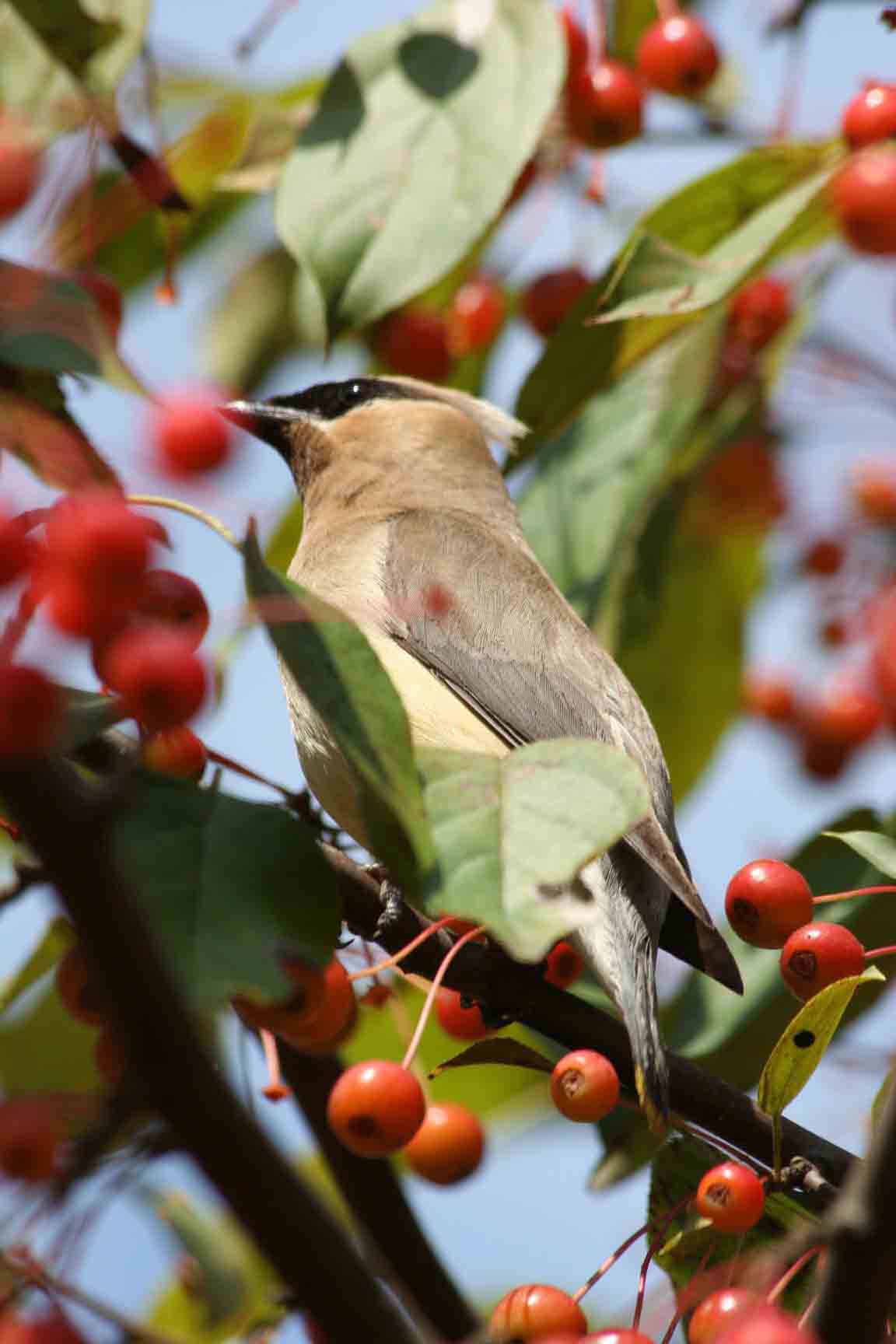
Cedar waxwings dressed in yellow, red, and beige with a black mask pop yellow, red, and purple crabapples off the branches and into their beaks, making the perfect palette of color come alive.
Tiny black, gray, and white chickadees dance on the sweet gums’ brown sticky seed balls, pecking inside for the last of the autumn treat. Flocks of white-throated sparrows dance in the oak leaves on the ground, hopping back and forth in efforts to dislodge a hibernating spider from its berth. It is a well-choreographed movement that can be played in one’s mind to Beethoven’s Fifth.
One of the great joys of winter birding is hand-feeding chickadees. It is at this time of year that the chickadees, tufted titmice, and occasionally a cardinal are apt to land in one’s outstretched palm if you offer black oil sunflower seeds or roasted peanuts. The birds need the food for nourishment and to keep warm during the cold days of winter. Chickadee use a technique of shivering to keep their body temperatures high enough to survive and the protein from the sunflower and peanuts give them the fuel to perform the shivering technique.
Red-tailed hawks, Cooper’s hawks, and sharp-shinned hawks are also quite visible as they quietly sit on a branch waiting to pounce on their next victim.
In the quietness of the snow, in the shadows of the winter sun, the birds often reflect the silence of the season with a warm melody of song.
In the past year the Garden has developed a number of training programs in conjunction with the New York City Parks Department to help increase the pool of capable job candidates. First, the Garden’s Horticulture and Education divisions collaborated on an urban tree care course to train a new generation of Parks foresters. Next, the Garden designed a special course for the Parks Opportunity Program, which trains local career-seekers in the fundamental skills necessary for the numerous vacant horticulture positions at the Parks Department and elsewhere. Recently, the Garden devised yet another program, one that is training 30 competitively selected 18–24-year-olds to help facilitate Mayor Bloomberg’s Million Trees Initiative.
The common thread in all of these wonderful initiatives is opportunity: Even in uncertain economic times the field of horticulture offers a wealth of career prospects for those willing to learn the required professional skills. And the opportunities are not just in New York City but throughout the region and beyond.
It has hit me that we at the Garden need to do a better job of spreading the word about the multitude of horticulture-related career tracks—from propagation and plant care to arboriculture, landscape and garden design, and horticultural therapy (using plants in therapeutic settings). So in the fall, the Garden’s Continuing Education program organized a couple of free Career Information Sessions and asked recent Continuing Ed certificate recipients to come and discuss their experience in the Garden’s education program and how it helped them get started in a new career.
Landscape Design graduate Robert Welsch talked about his burgeoning business, Westover Landscape Design, in Westchester. Sheri Forster explained how the Horticulture certificate she earned just this past spring allowed her to jumpstart a thriving business of her own, The Scottish Gardener, in Manhattan. Other former students and program instructors rounded out the evenings, giving their own unscripted and unedited appraisals of the business of horticulture and the Garden’s education programs. The give and take was free flowing, and those who came asked all the questions I would want to know if I were thinking about a new career such as:
If I invest the time and money to learn these skills, will there really be career opportunities available when I complete a certificate?
Do the Garden’s certificate programs provide all the knowledge and skills needed to really do this?
Do I have to commit to a whole program before I really know whether this is for me, or can I start with a short introductory class and see how it goes?
If you missed these informative sessions but are interested in learning the answers to these questions (and any others) about careers in horticulture and landscape design, we’ve arranged to do the whole thing again, with a new group of students and instructors. So mark your calendar for Wednesday, January 28, from 6 to 8 p.m. and pre-register to attend our free Career Information Session.
Nick Leshi is Associate Director of Public Relations and Electronic Media.
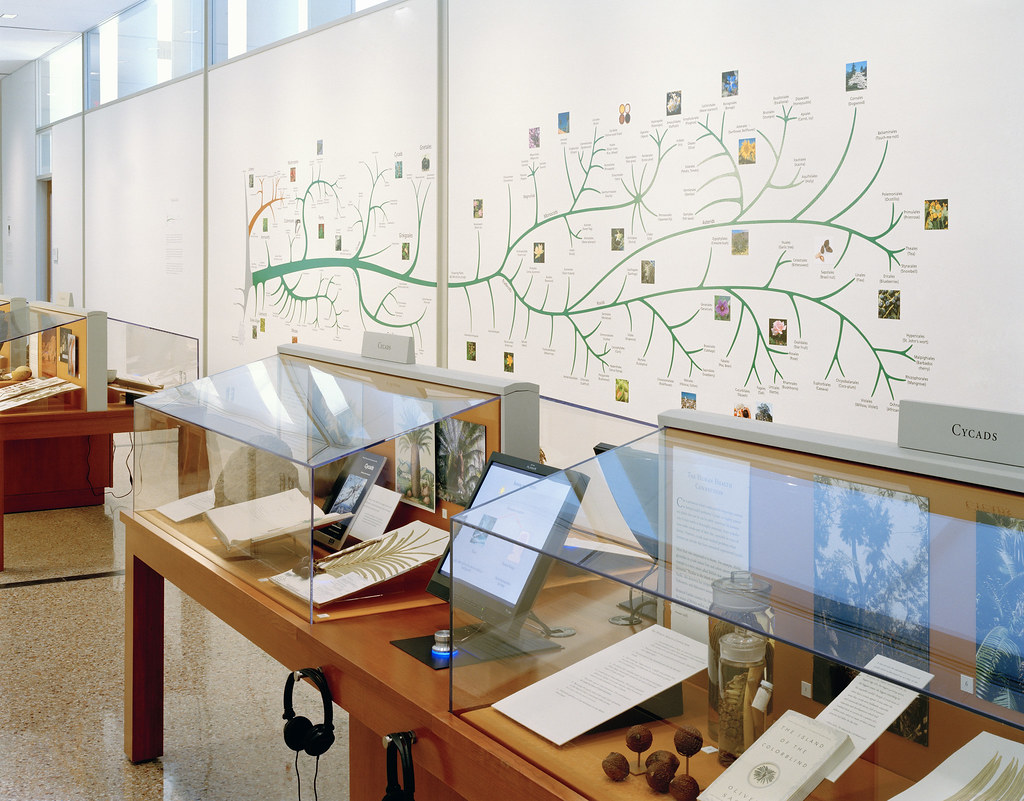
When I talk about The New York Botanical Garden, one phrase I tend to repeat over and over is: “No matter what the weather is like outside, there is always something to see and do here, both indoors and out.” In addition to the beauty of the Garden’s grounds and living collections in every season, there are also great indoor attractions. One of my absolute favorites is located on the fourth floor of the Library building—the permanent exhibition Plants and Fungi: Ten Current Research Stories.
The exhibition, housed in the grand Britton Science Rotunda and Gallery, allows visitors to explore the important research being conducted by Botanical Garden scientists here in the Bronx and around the world. Massive mural images of the Garden’s founders, Nathaniel Lord Britton and Elizabeth Knight Britton, overlook a map showing the corners of the world where our scientists have traveled for field research to solve some the mysteries of nature and to better understand the role of plants and fungi in our lives, part of the Garden’s overall mission as an advocate for the plant kingdom.
The rotunda features multiple displays illustrating the “William C. Steere Tradition,” with information on mosses, lichen, and three panels on mushrooms and berries. It educates the public on the legacy and influence of the man for whom the adjacent William and Lynda Steere Herbarium is named and where over 7 million plant and fungi specimens are archived. Computer terminals in the Gallery allow visitors to access the online specimen catalog from the C.V. Starr Virtual Herbarium.
Other computer stations in the exhibition provide audio-video presentations explaining Garden scientists’ research on rice, cycads, brazil nuts, squashes, ferns, and vanilla orchids. Visitors young and old can see how modern tools such as DNA fingerprinting as well as classic techniques of plant exploration are used, and how scientists are studying vital topics like genetic diversity in rice and a nerve toxin in cycads that may provide insight into neurological diseases.
You can meet some of the scientists in person and hear them discuss their research as part of the 2009 Gallery Talks series Around the World with Garden Scientists in the Britton Science Rotunda and Gallery. Robbin Moran, Ph.D., kicks off the series this Saturday, January 24, at 1 p.m. with his presentation “The Fascinating World of Ferns” and provides a behind-the-scenes tour of the Herbarium.
 Carol Capobianco is Editorial Content Manager at The New York Botanical Garden.
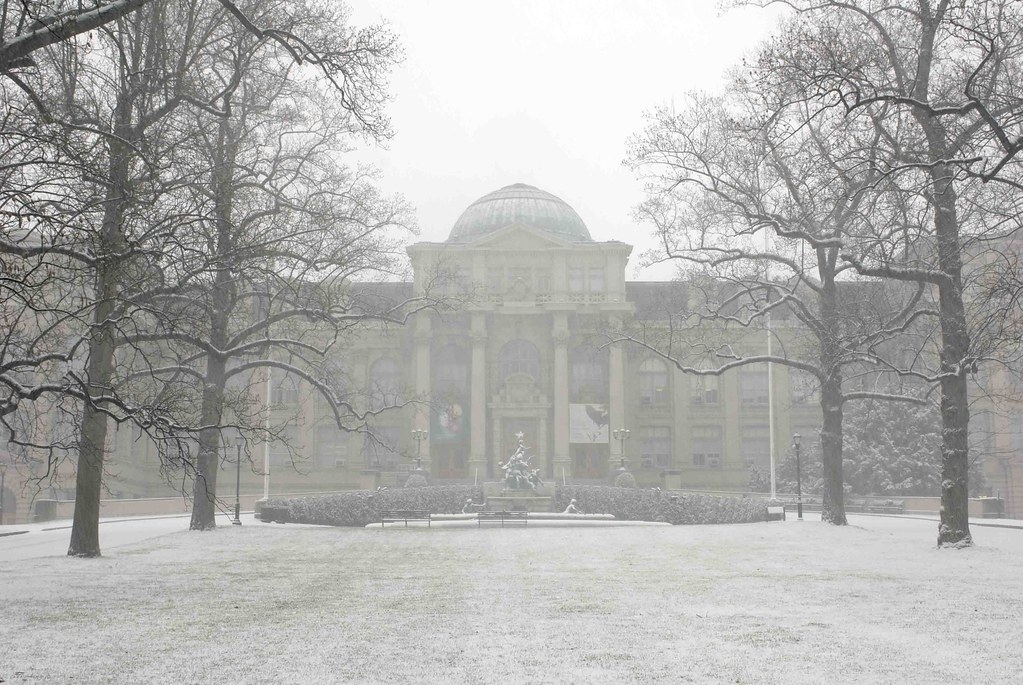 Yes, it’s below freezing outside. Yes, most plants are dormant and bedded under a blanket of snow. Yes, it’s a great time to come to The New York Botanical Garden with fresh eyes to take in the standing and specialty exhibits you haven’t yet seen.
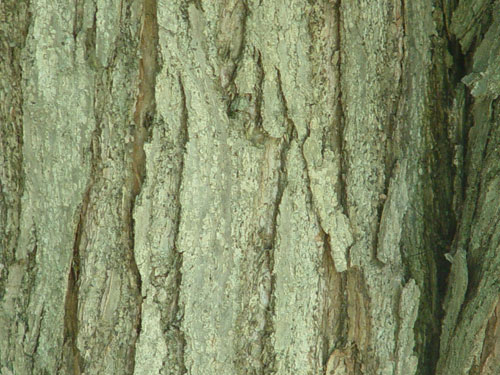 Trees, Earth’s largest and longest-lived plant forms, are Nature’s gift to us. They provide for our sustenance—giving us fire, fruit, shade, shelter, medicine, and soil enrichment—and they beautify our environment. Fittingly, trees hold a lofty position in many cultural traditions, symbolizing qualities such as wisdom, fertility, courage, or strength. And the prominence of trees in folkloric and religious practices reminds us of the many blessing they bestow. For some people trees offer solace, for others they represent ongoing life, and for others they enlarge the definition of “community.”
 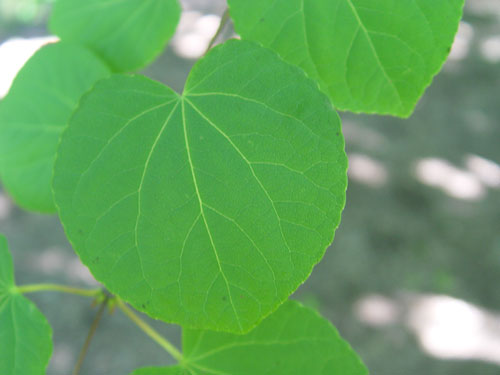 In my visits to The New York Botanical Garden I often silently talk to the trees. I have special trees that I go to again and again. One of my favorites is the grand Katsura tree (Cercidiphyllum japonicum) that is standing on the right side of the Library building. At any time of year I can walk beneath its spreading boughs and feel a sense of lightness envelop me. The peace and serenity that permeates the atmosphere is palpable. It is as Eckhart Tolle writes in his book Stillness Speaks: “When you look at a tree and perceive its stillness, you become still yourself.” In my case, it is more than looking, it is a true communion.

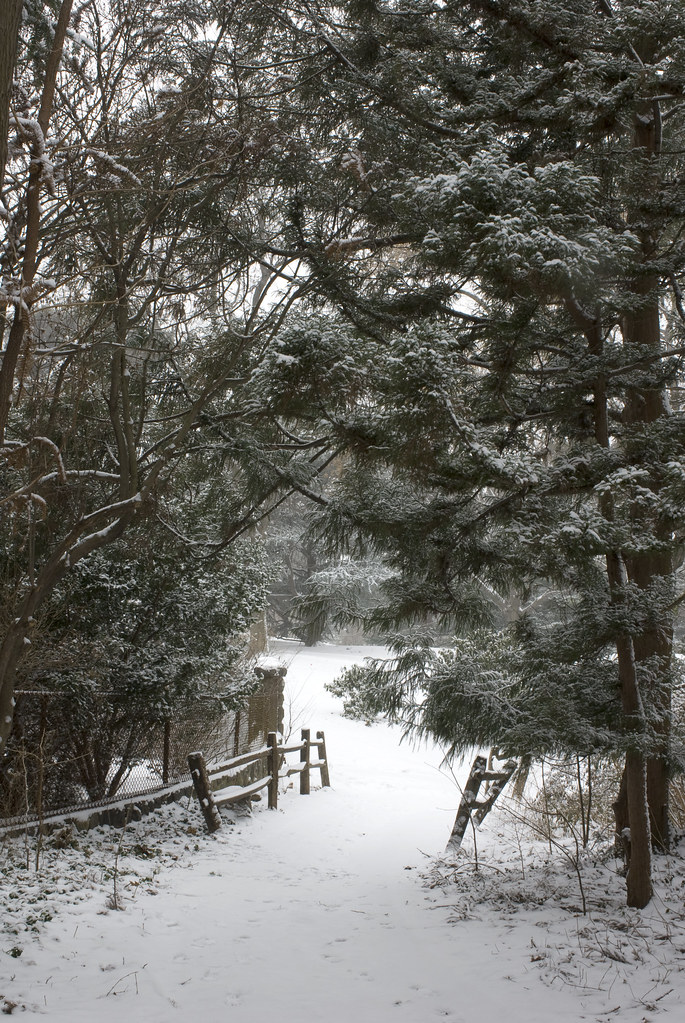

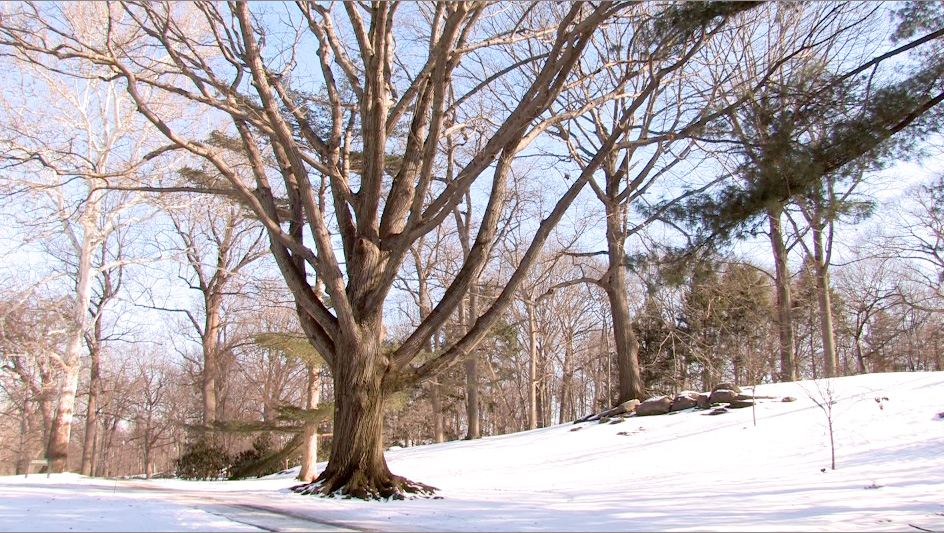




 Winter birding at NYBG is always a delight. Once the deciduous trees have shed their leaves all is visible. Streaks of winter sun embrace the Forest and ignite the trees in deep silhouettes and wonderful brown hues. There is something about the frosty sunlight that brings out the vibrant color of the birds. The red-bellied woodpecker’s cap glows in red amber as the bird climbs a tree barking for attention. The northern cardinals are so brilliant in the sun as they sit on the bare branches—their red and orange feathers a sharp contrast to the white snow and brown tree stems. Even the blue jays’ cerulean feathers glow like a Matisse as the birds peck around the snow for morsels to eat.