Inside The New York Botanical Garden
Plant Talk
Posted in Shop/Book Reviews on February 25 2009, by Plant Talk
The Year’s “Must-Reads”
 John Suskewich is Book Manager for Shop in the Garden.
To somebody who’s really into plants, February finds the cosmic garden center always filled with five-pints of that herbaceous perennial called hope, so I’m thinking ahead. I’m looking forward to that lengthening daylight. I’m thinking about those first snowdrops, about mud and muck, about witch-hazels and Rijnveld’s Early Sensation and seed orders and Lenten hellebores and unpaid credit card balances because of plant purchases, and then there are books.
Here are several new books that will tell me what I’m doing wrong and what plants that I don’t have that I gotta have, books about other gardens and other gardeners, books that are celebratory and books that are valedictory, books that are encouraging and books that are alarming. Some of these are out now and some will be published later in the year, but here is a selection, 9 for ’09, of books about plants and the people who are mesmerized by them.
The Edible Schoolyard by Alice Waters
At the acclaimed restaurant Chez Panisse, founder and chef Alice Waters created a style of cooking that is seasonal, market based, plant centered, and not just nutritional but nurturing. The Edible Schoolyard takes this template and applies it to education to reinvent the way we teach our kids. Her goals are our goals here at The New York Botanical Garden: to inject nature into our lives in a transformational way.
William Robinson, The Wild Gardener by Richard Bisgrove
William Robinson is one of those transcendent figures that everyone has heard of but whose achievement has been so long unstudied that newbies like me aren’t quite sure what he accomplished. One of the finest garden historians, Richard Bisgrove, reexamines the life and achievement of this icon who popularized the wild garden and the cottage garden and in whose works one finds the first intimations of a holistic view of gardening.
Listening to Stone by Dan Snow
What an inspired use of feldspar! If you need a dry stone wall with poetry as the mortar, Dan Snow is your mason. Listening to Stone is a look at his profession and an appreciation of his medium as well as a study of some of his recent constructions, which turn something weighty and substantial into works of art that are arrestingly enigmatic.
The New Terrarium by Tovah Martin
I was in college during the ’70s, the heyday of macramé plant holders, the original cast recording of Pippin, beanbag furniture, and terrariums. (A terrarium was something you made when you got tired of netting dead neon tetras out of your 20-gallon fish tank.) Tovah Martin, one of our best garden writers, rethinks the concept with new containers and new plantings and reminds us that it is still one of the best methods for bringing and keeping nature indoors.
Read about John’s other selected books after the jump.
Read More
Posted in Learning Experiences on February 24 2009, by Plant Talk
 |
Jeff Downing is Vice President for Education.
|
I speak with prospective landscape design students all the time. Many are in the process of considering career changes. They come from all walks of life and every field imaginable: marketing, graphic design, management, even law and medicine. They seek to move in a different direction for a wide variety of reasons, but all are intrigued by the possibility of a life working with plants outside the confines of a corporate office or just outside altogether. Many (but not all) seek the autonomy of developing a business of their own. But no matter what their history or interest, they all have one burning question: “If I earn a certificate in landscape design at The New York Botanical Garden, will I really be equipped to start a successful career?”
My answer to these queries is simple and succinct: “Yes.”
I say this with confidence not because of the comprehensiveness of the curriculum, the long history of the program, or the demonstrated excellence of the instructors—all of which are compelling recommendations in their own right. The true measure of the Garden’s landscape design program is the results. And I see the results each month when the Landscape Design Students and Alumni (LDSA) group holds its regular meetings down the hall from my office.
The LDSA has been meeting at the Garden since before I arrived 10 years ago. Once a month, 30 to 50 current and former students get together to hear presentations on different topics relevant to the professional practice of landscape design—estimating jobs, sourcing materials, considering ecological factors, developing their businesses—and to network with fellow alums who are out in the field working. The group is independently run and supported by the students themselves. The Garden provides a classroom—they do the rest.
To me, the LDSA group stands as a living, breathing testament to the success of the Garden’s landscape design program. There I reconnect with former students who’ve gone on to start successful businesses of their own, or to work with established firms. In many cases, I can recall my first conversations with them, when they were tentatively wondering whether pursuing a certificate would lead them to a new career. Now, with confidence in their eyes and business cards in their hands, they come back to share their experiences with their fellow pros and discuss the projects they’ve completed and the lessons they’ve learned. For me, that is the real measure of the program’s merit.
On Saturday, March 14, the Garden will host a free Continuing Education Open House. Come sit in on mini-classes, speak with instructors and program coordinators, and participate in career talks to hear first-hand what the Garden’s certificate programs can do for you. Spring and summer classes are all online now. Register online, or request a copy of our latest catalog. Spring is a great time to plant the seeds of a new career!
Posted in Programs and Events, Wildlife on February 20 2009, by Plant Talk
Birders Treated to Uncommon Sightings and Start of Mating Season
 |
Debbie Becker leads a free bird walk at the Garden every Saturday from 11 a.m. to 12:30 p.m., beginning at the Reflecting Pool in the Leon Levy Visitor Center.
|
 The other day I watched two male house sparrows competing for the attention of a female bird who seemed totally disinterested in their mating dance. With tail feathers extended they jumped, hopped, and vied for her attention. She seemed distracted and eventually flew away leaving the two male birds confused and looking for another female to shower with attention.
February marks the beginning of spring for many birds. It is the start of their mating season. Even though the temperature is hovering around 30 degrees and remnants of snow are on the ground, for birds love is in the air. Perhaps Valentine’s Day was created with birds in mind. What reasonable human really thinks about love during the coldest month of the year? Roses wilt, balloons deflate, and chocolate gets hard in the February frost. But for birds, their warm little bodies and courtship rituals begin to stir as tiny buds form on early blooming trees.
Bird watching has long been regarded as an act of love. For those of us who bundle up in the winter and drudge along snow-laden pathways in the Garden, it is a yearning of the heart that keeps us warm and drives us on. Our quest to see the owls, hear the mourning doves cry, watch the red-tailed hawks soar above, and feed the chickadees from our palms are all acts of unselfish and undying love. What else would motivate us to wake up early on a Saturday morning, don layers of clothes, gloves, boots, hand warmers, hats, and scarfs to brave the cold winds of February and March to go birding.
This year especially, the birding lovebug has bitten many. Because of the global changes and an unusually cold winter, many birds that normally are residents of Canada and the northeastern United States have been driven south by snow and an inability to find food. Much to the delight of birders in New York City and Long Island, white-winged crossbills, snow buntings, lapland longspur, pine siskins, snowy owls, snow geese, long-eared owls, and northern saw-whet owls, and bald eagles have been visiting our area. Earlier this month in the Garden 15 white-winged crossbills delighted a large group of birders with their chatter and acrobatic behavior as they hung from pine cones searching for food. We ran after them as they flew from tree to tree, careful not to slip on the ice but eager to see a sure life-bird for everyone on the bird tour.
Love is a universal feeling, and perhaps birders feel love a bit deeper than most. It is a love for the hobby of birding that drives us to preserve the natural habitats of our feathered friends. We may protest in the form of letters or e-mails about any habitat that is going to be torn down for a shopping center or housing development. Bird lovers will go that extra mile to keep secret an owl roost or to protect the location of a rare bird. I have witnessed passionate debates over the identification of an unrecognizable avian visitor.
Perhaps no other hobby elicits participation from a such a varied number of people. On my bird walks I have met students, politicians, lawyers, doctors, designers, secretaries, teachers, retirees, world travelers, consultants, photographers, writers, and more. The one common thread is the love of birding. And in this month of February with cupid looming about and the beginning of the spring mating season at hand, I hope to meet more people in love with the act of birding on my Saturday bird walks.
Check out all of Saturday’s programming.
Check out all of Sunday’s programming.
Posted in Gardens and Collections, People on February 19 2009, by Plant Talk
 Carol Capobianco is Editorial Content Manager at The New York Botanical Garden.
I bumped into Peter Kukielski, Curator of the Peggy Rockefeller Rose Garden, the other day in the hallway—we don’t often see Peter indoors. It was one of the coldest days of the year and Peter’s cheeks were rosy—but so was his outlook for a new rendition of the Rose Garden.
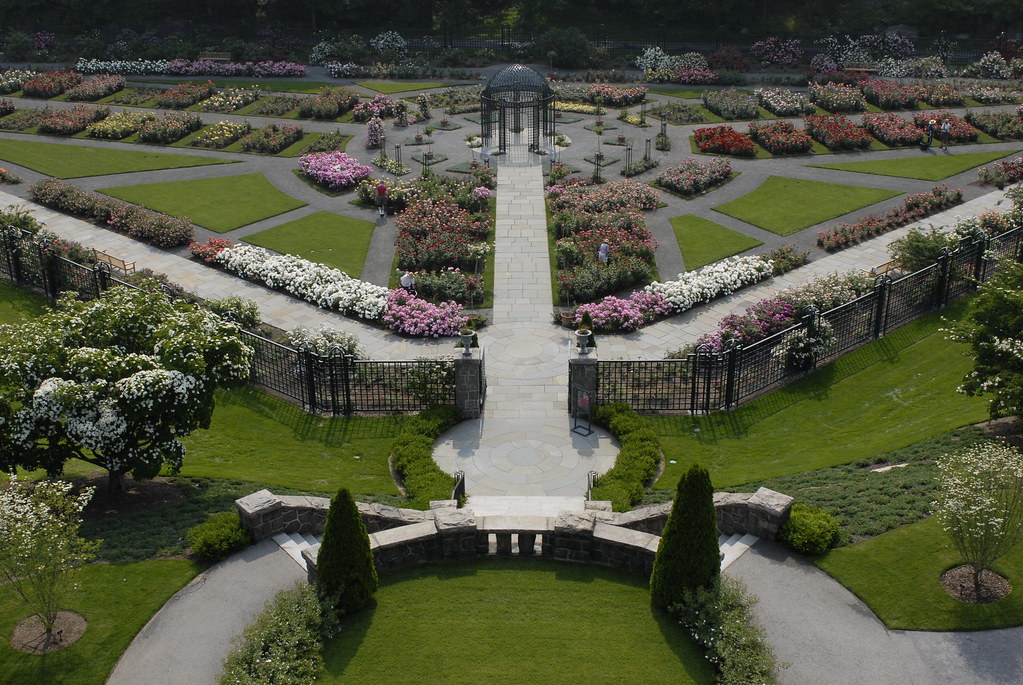 Peter has been working on a multi-year dream to transform his charge into the world’s largest chemically-free, low-maintenance rose garden. A tall order, for sure, since roses have a reputation of being among the most chemically-dependent flowers in existence.
But during these months when our Rose Garden is in its winter stupor, Peter has been scouring the world (virtually, not physically) for the finest disease-resistant varieties in a major step to the conversion. Not only did he find what he was looking for, but all the growers donated the plants. Beginning in March, Peter will oversee the planting of 880 new, hardy roses to replace the more than 1,100 high-maintenance roses removed last fall, about one-third of the Rose Garden’s inventory. The new varieties bloom all season long and are easy to care for.
Peter’s passion for the project, his extensive expertise, and his willingness to experiment add up to an interesting season to come for the Rose Garden. Stay tuned for the announcement of its reopening this spring and be sure to come and visit.
Posted in The Orchid Show on February 18 2009, by Plant Talk
The Orchid Show Is Coming!

Get your tickets today!
Posted in Programs and Events on February 13 2009, by Plant Talk
Multiple Events on Tap for Weeklong Celebration
 |
Gayle Schmidt is Manger of Public Education. |
Each year at this time the nation highlights African Americans who have had a great influence on society through innovative inventions and revolutionary ideas. This year, we are even making history while celebrating it!
During the coming week, which is a vacation week for many schools, the Garden is offering family programming to celebrate the accomplishments of African Americans in the fields of science and horticulture as well as in social affairs. The programs expose the strong will and determination of creative people to succeed beyond imposed limitations.
The Life and Work of George Washington Carver is this season’s exhibition in the Everett Children’s Adventure Garden. Dr. Carver was entirely self-motivated to get an education and to get ahead in life, which is most remarkable since he grew up in the time of slavery. In the Adventure Garden, young scientists-to-be can put on a lab coat and be a “plant doctor,” diagnosing a thirst for water or need for sunshine, and conduct simple experiments as well.
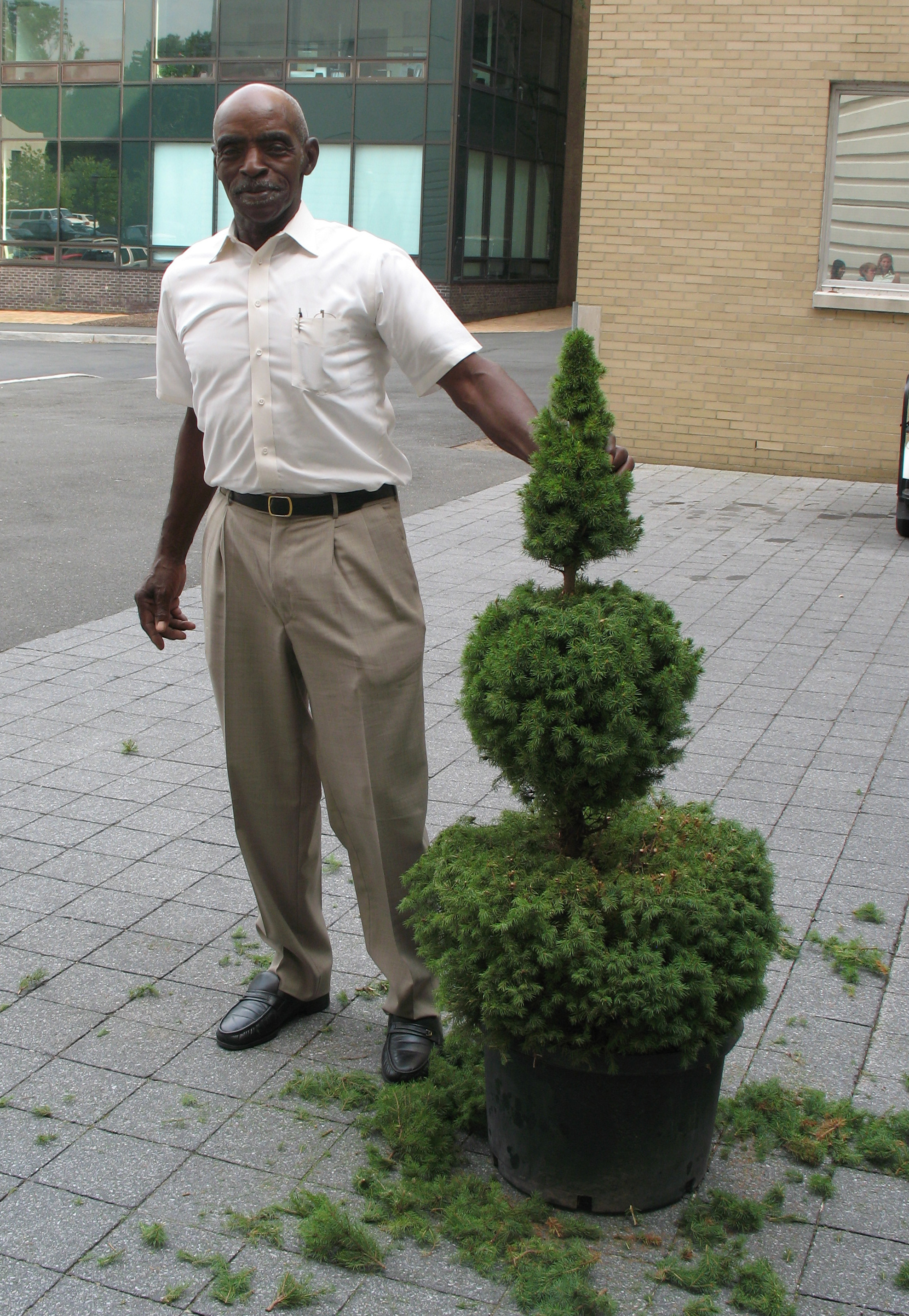 Elsewhere in the Garden, we will be showing films that tell the story of other garden lovers: the self-made topiary artist Pearl Fryer, pictured at right, and poet Anne Spencer. Fryer entered a Lawn of the Year contest and quickly got caught up in the excitement of trimming his hedges, bushes, and trees. He, too, was a “plant doctor” of sorts, often using discarded seedlings from a local nursery to add to his own collection. Fryer visited the Garden this past summer and showed off some of his pruning skills and finesse on an Alberta spruce.
Spencer, who died in 1975, created a sanctuary at her home where she could reflect and write poetry that spoke to many. She hosted many renowned friends, including George Washington Carver, W.E.B. DuBois, Mary McLeod Bethune, Martin Luther King, Jr., and Thurgood Marshall, in her lush and fruitful garden. Imagine the conversations caught in the breeze!
In addition to these events, we will be hosting live musical performances. A full schedule can be found on our online calendar.
We celebrate history to learn from it and to be inspired by its role models. Come spend time at the Botanical Garden this coming week to hear the stories of those who helped shape the history of America.
Check out all of Saturday’s programming
Check out all of Sunday’s programming
Posted in Darwin's Garden, Exhibitions, People, Science on February 12 2009, by Plant Talk
Carol Capobianco is Editorial Content Manager at The New York Botanical Garden.
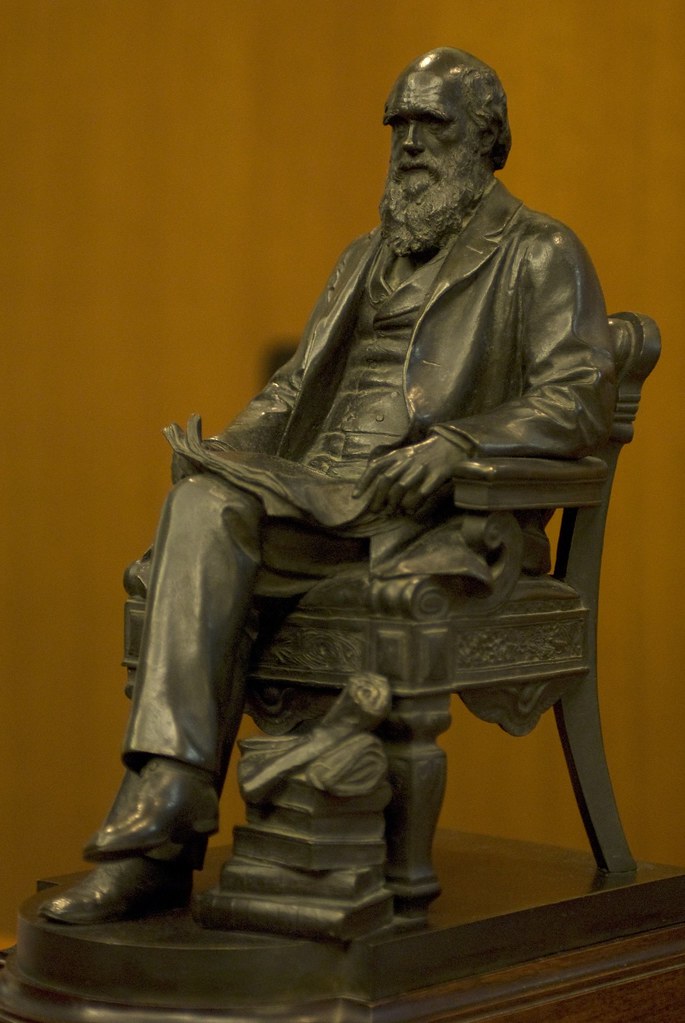 Charles Darwin (shown in bronze in a sculpture in the Rare Book Room) was born on this day in 1809, sharing the exact same birthday as Abraham Lincoln—though a world away in England.
Last spring the Botanical Garden celebrated his work with plants in the Garden-wide exhibition Darwin’s Garden: An Evolutionary Adventure as a lead-in to this bicentennial year, which also marks the 150th anniversary of his groundbreaking book. (We can’t tell you the name of it here, because it’s one of the questions in the short quiz below).
During the show, some of the world’s leading Darwin experts had gathered to discuss the far-reaching legacy of Charles Darwin and the implications of his thinking for science and society today in a special two-part symposium, Darwin: 21st-Century Perspectives, hosted by the Garden and the American Museum of Natural History, and which you can hear by clicking here.
If you first need a Darwin 101 refresher before listening to these scholars, test yourself with these few questions. The answers are provided after the jump.
Or, if you want to learn about Darwin in song, check out this snippet taped partly in the Enid A. Haupt Conservatory recently of live performer and Darwin scholar Richard Milner. Milner performed his Charles Darwin: Live & In Concert at the Botanical Garden during last year’s exhibition and was featured this week in The New York Times.
And now for the quiz…
1. Darwin sailed to the Galápagos on a ship named…
a. Sundew
b. Retriever
c. Beagle
d. Albatross
2. Darwin began his formal studies in botany at…
a. Oxford
b. Cambridge
c. Glasgow
d. Edinburgh
3. How many children did Darwin have?
a. 10
b. 7
c. 3
d. None
4. Darwin is known as the founder of which famous theory?
a. Relativity
b. Big Bang
c. Quantum Mechanics
d. Evolution by Natural Selection
5. What was the title of Darwin’s book that changed the way scientists view all life?
a. Inherit the Wind
b. The World As I See It
c. Origin of Species
d. The Diversity of Life
Answers after the jump!
Read More
Posted in Gardens and Collections on February 11 2009, by Plant Talk
Posted in Gardens and Collections on February 11 2009, by Plant Talk
 |
The Botanical Garden’s living collections is among the greatest in the world and contains more than 1 million plants. Jon Peter, Plant Records Manager, periodically shines the spotlight on a particular species that can be found within our 250 acres.
|
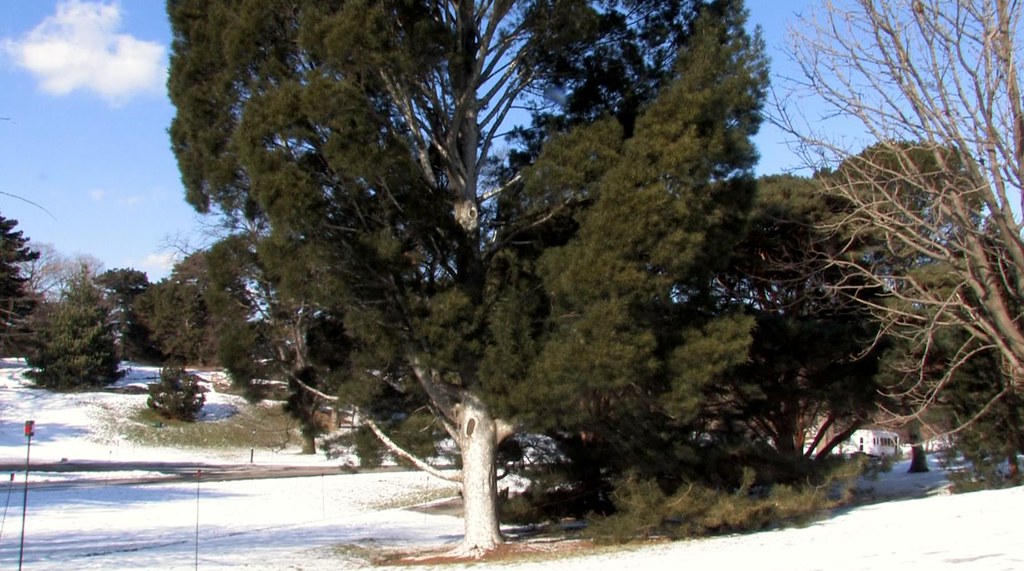
Botanical Name: Pinus bungeana
Common Name(s): Lacebark pine; Bunge’s pine
Family Name: Pinaceae (Pine family)
Native Range: Central to northern China
USDA Hardiness Zones: Zone 4–8
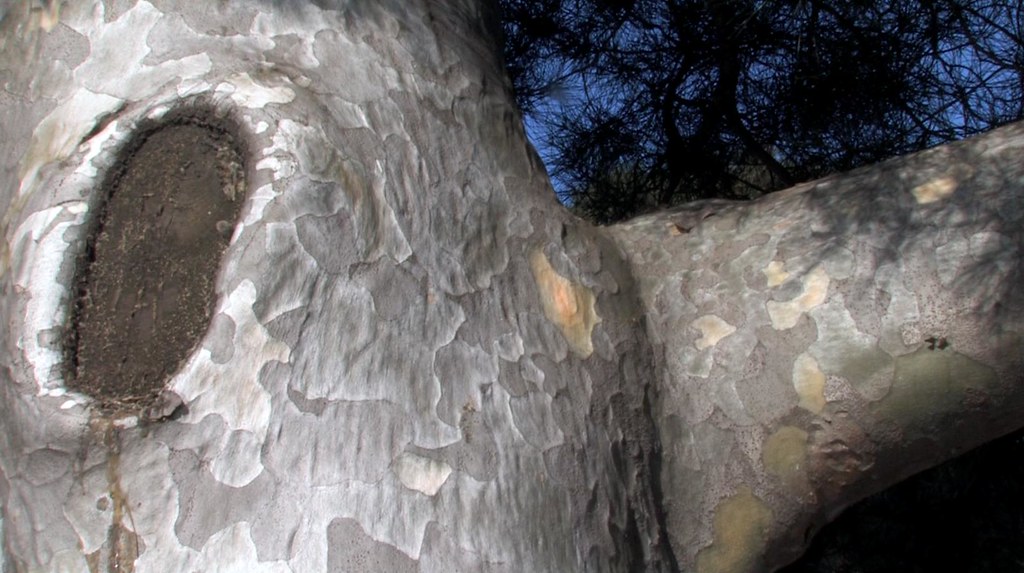 Location(s) within NYBG: By Reflecting Pool, Ross Conifer Arboretum
Site Requirements: Prefers full sun and is adaptable to many soil types as long as it is well- drained soil.
Interesting Note: A slow-growing pine tree that has many striking features, which help to make this a desirable tree for the home landscape. The best feature is the camouflage bark. which exfoliates with age to create beautiful colors and patterns. This feature is exceptional against a backdrop of freshly fallen snow.
Posted in People on February 10 2009, by Plant Talk
 Sally Armstrong Leone is Editorial Director at The New York Botanical Garden.
The renowned American philosopher and poet Ralph Waldo Emerson wrote, “…every hour and season yields its tribute of delight” in Nature (1836), his statement of the sublimity of our seasons.
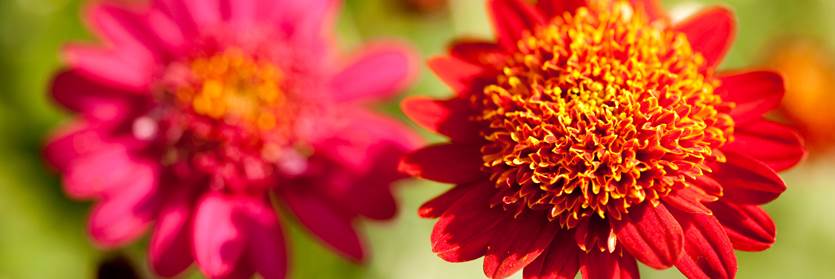
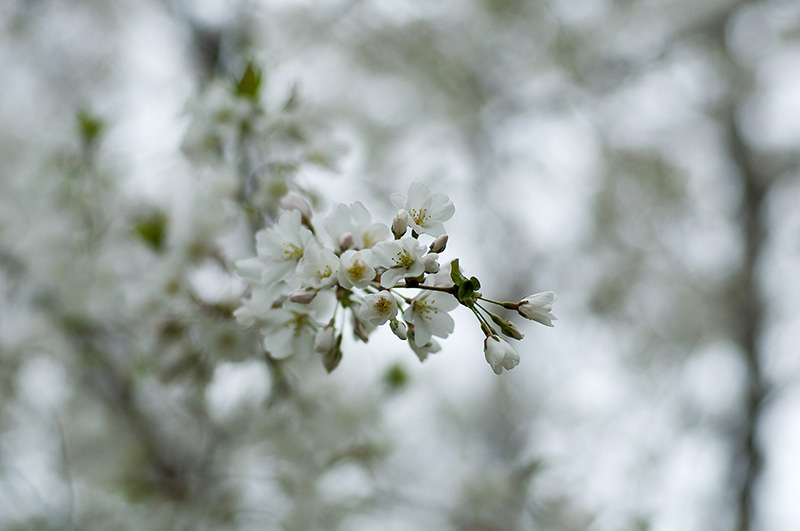
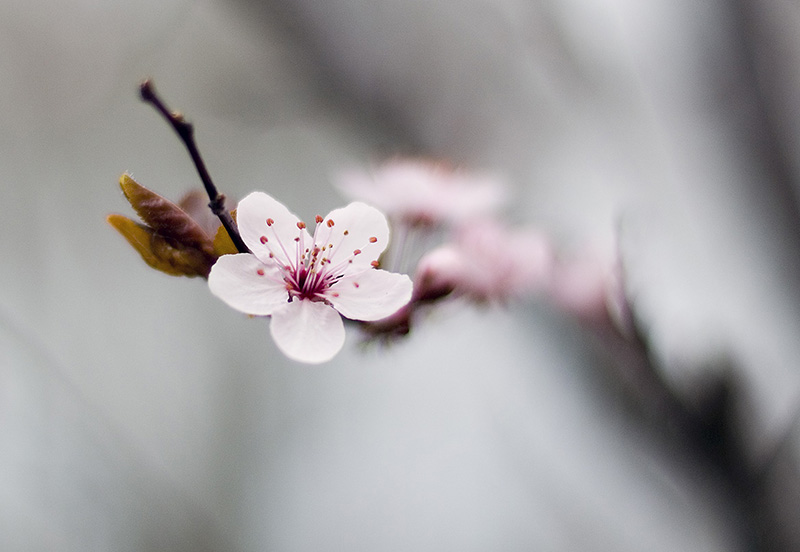
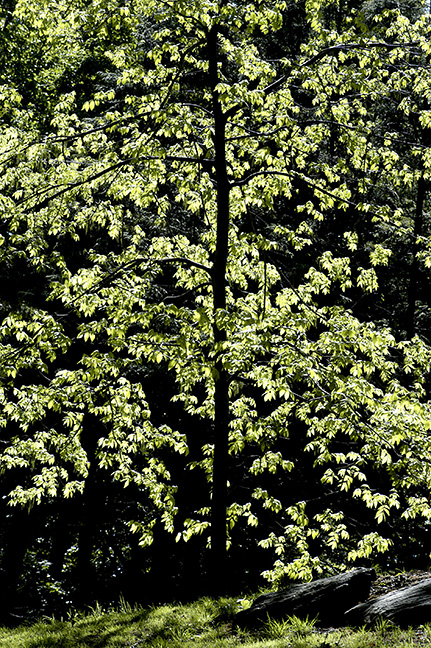
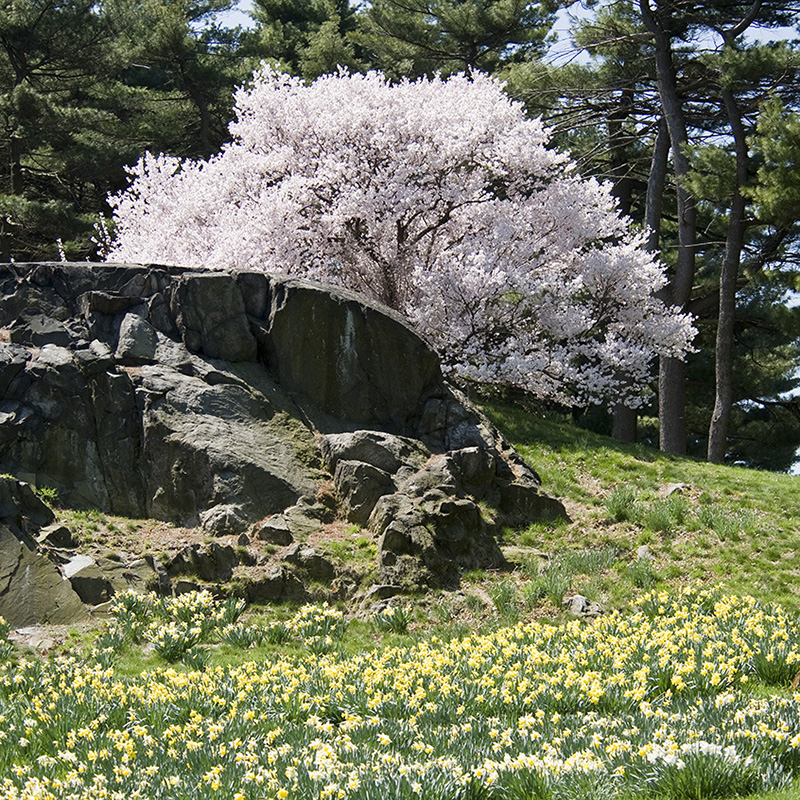
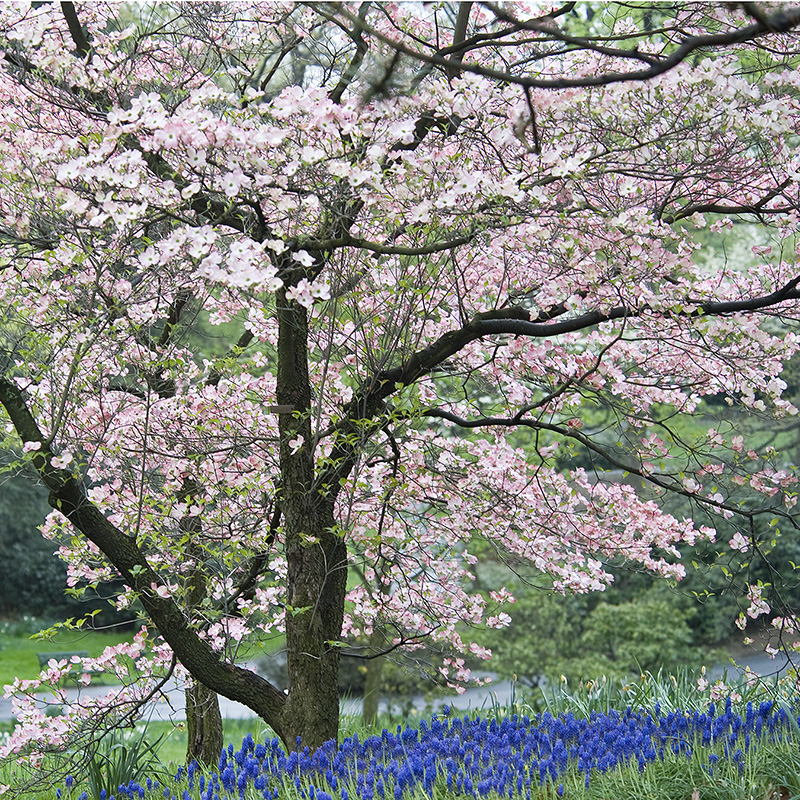
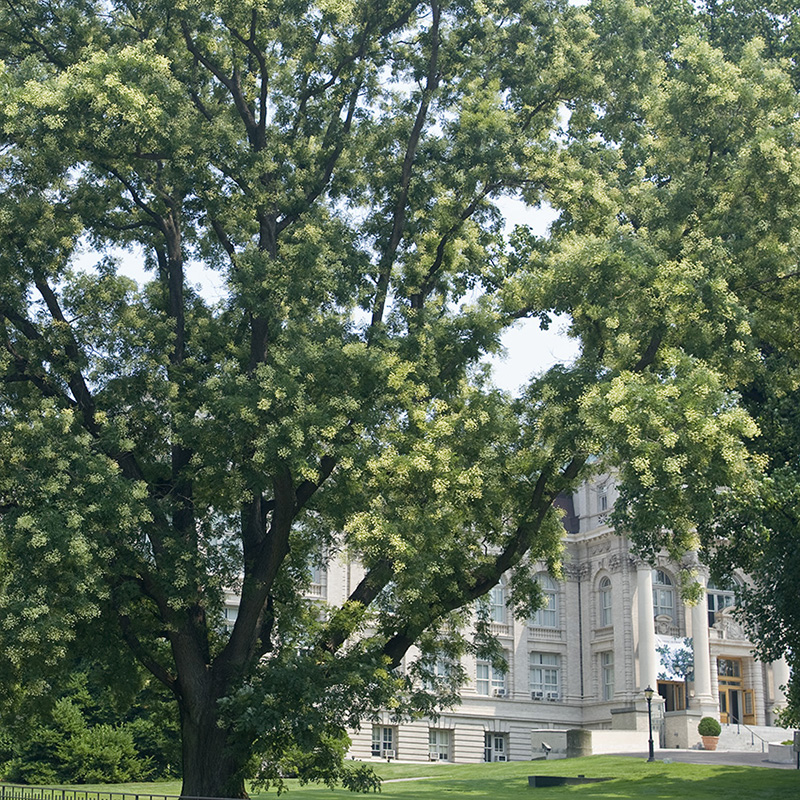
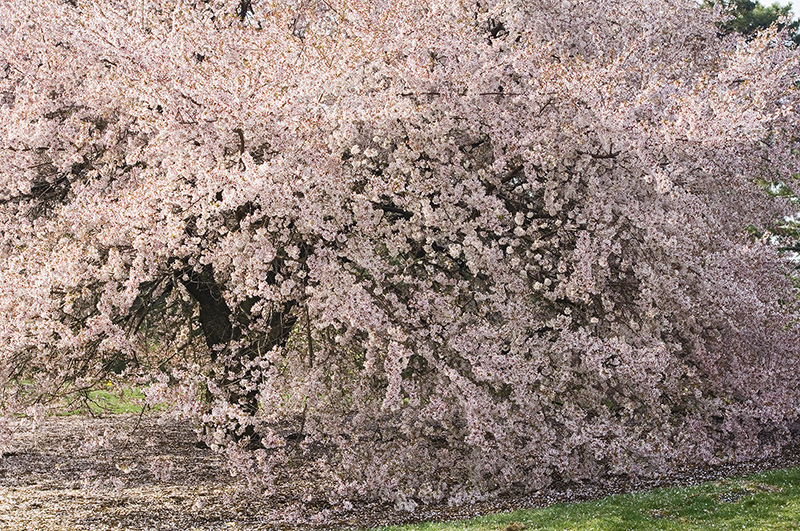
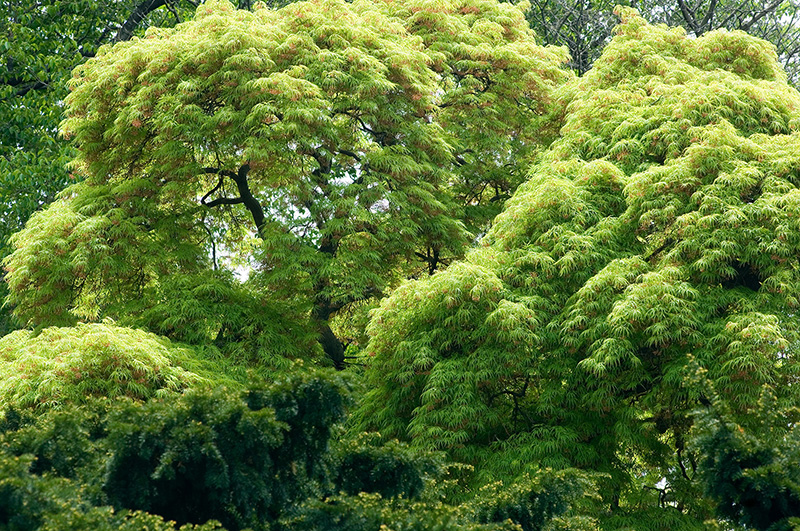
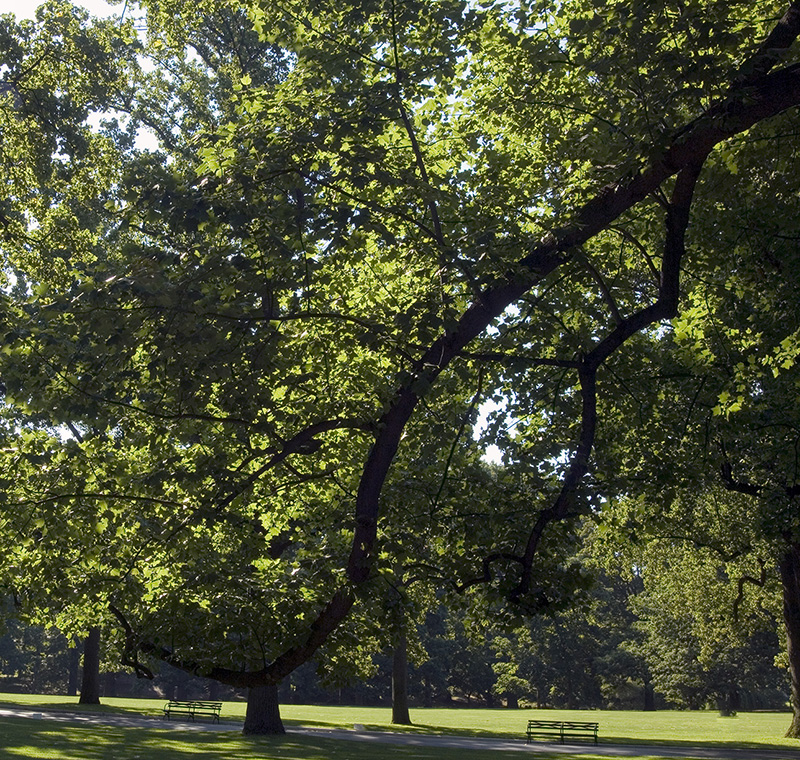
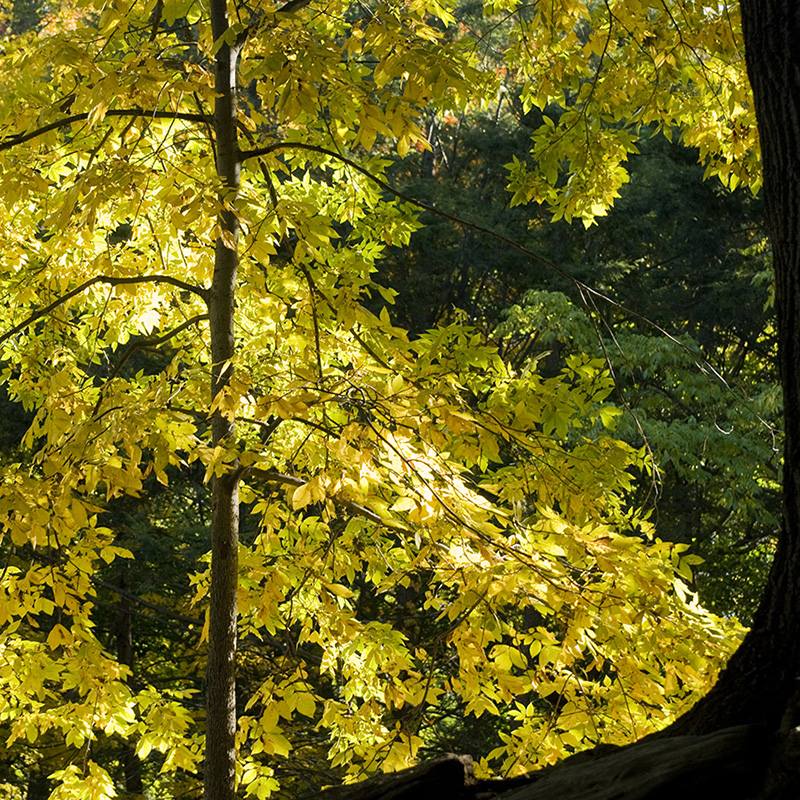
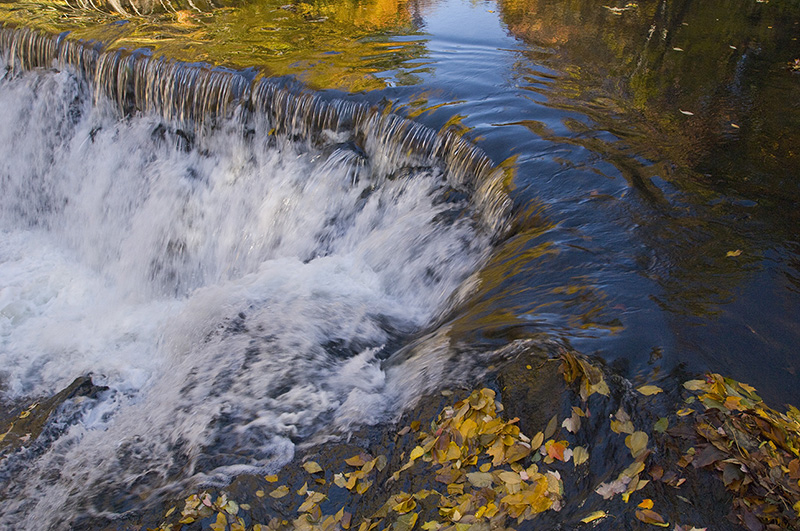
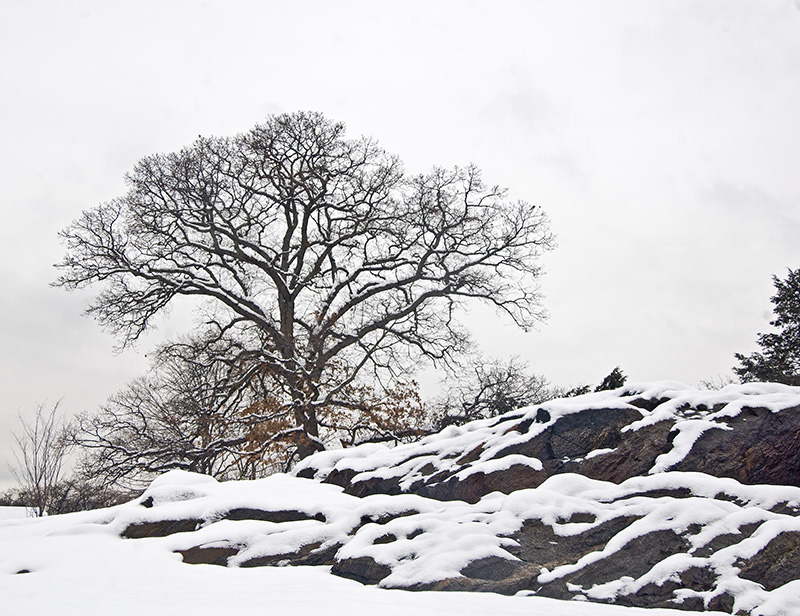
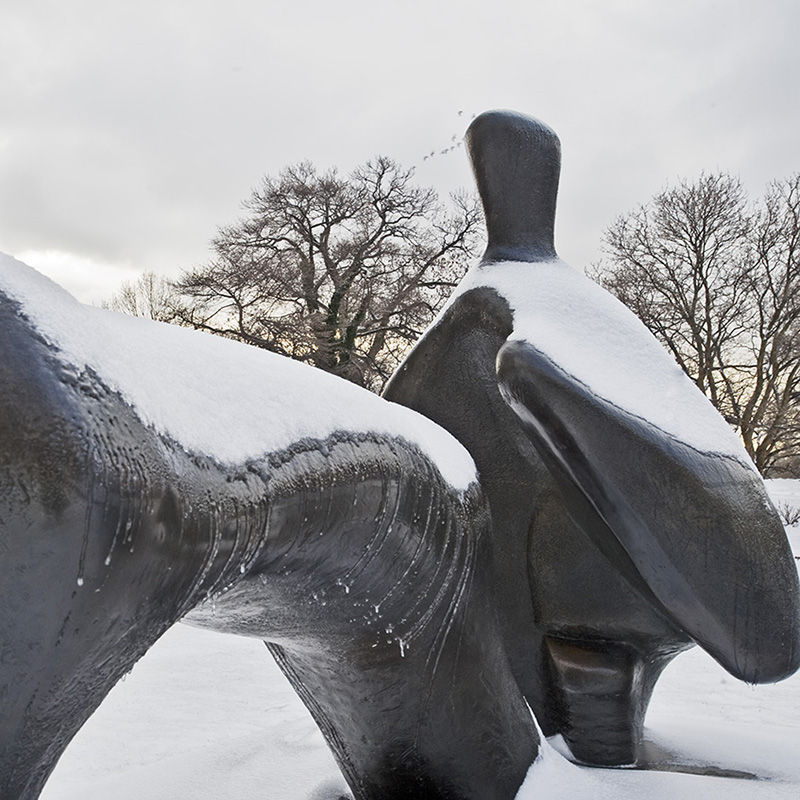
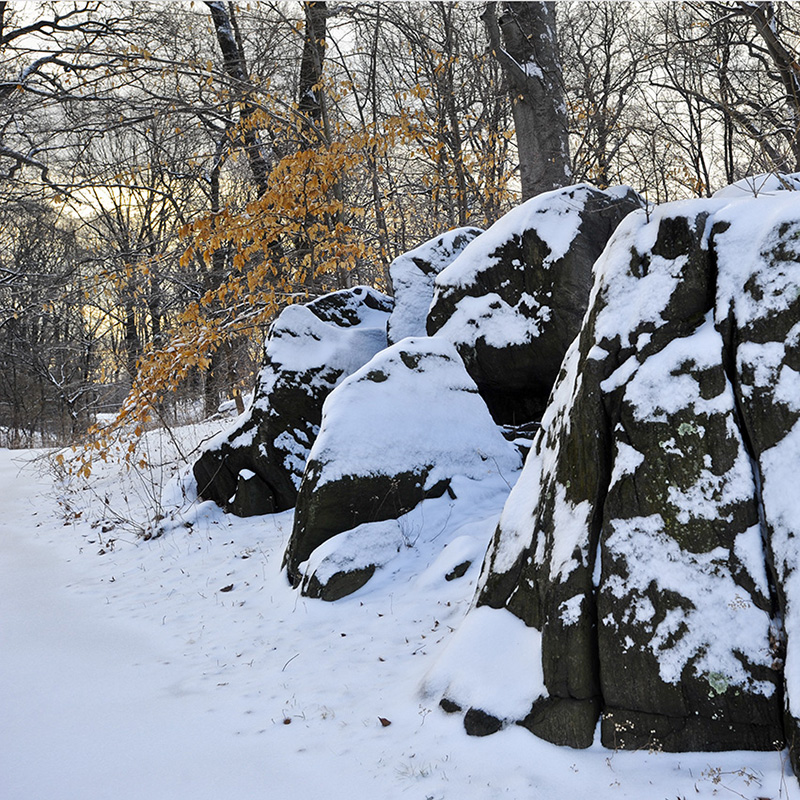
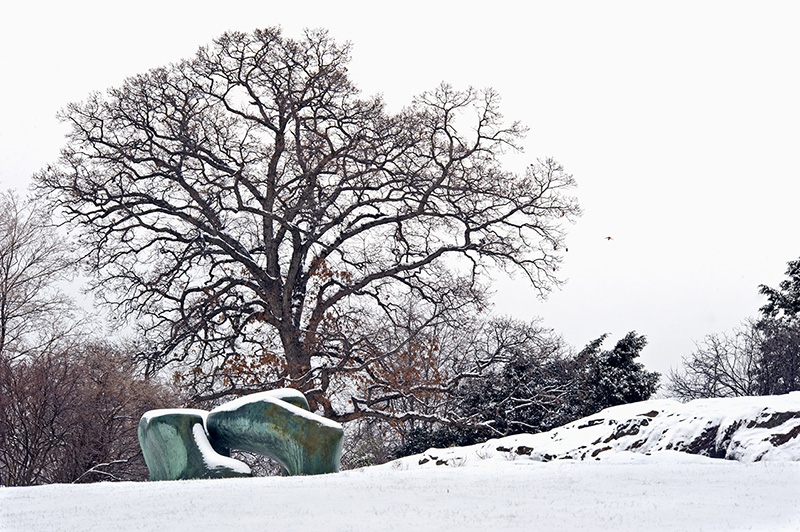
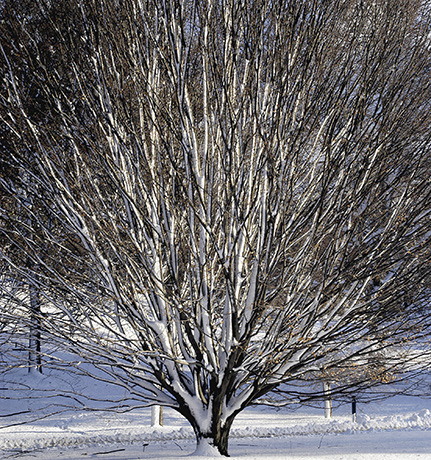
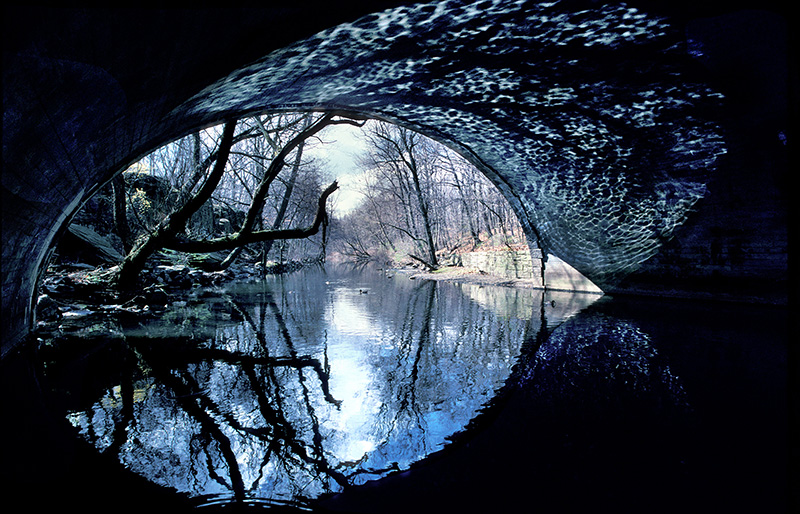
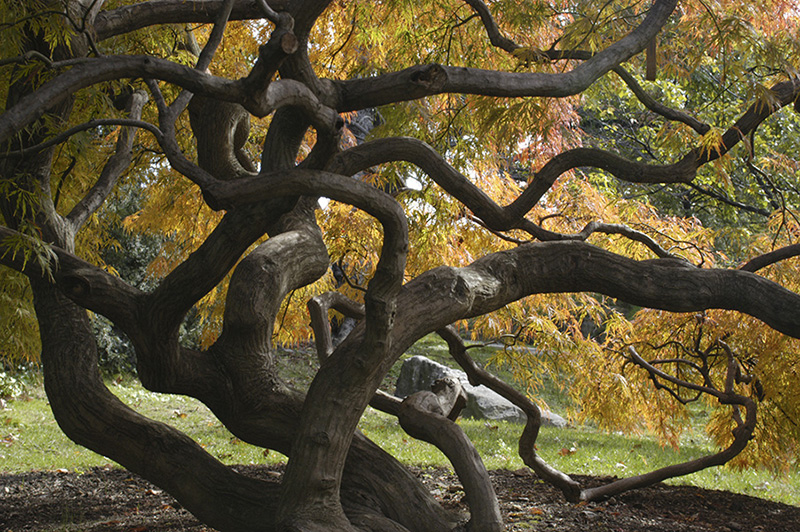
These words have instructed and inspired photographer Lawrence Lederman, a member of the Botanical Garden’s Board of Advisors who has spent the past seven years capturing the beauty and diversity of the Garden throughout the seasons. “By now I know the places to look for change, but there are always delightful surprises.” His poetic images reveal the intricacy of the way light works within a garden or landscape. “Spring is sensual,” he notes, but there is year-round interest that keeps him coming back, such as the brilliance of fall color or the silhouettes after a snowfall.
Lederman, a Brooklyn native, was educated in the New York City public schools. After Stuyvesant High School, he attended Brooklyn College. He studied law at New York University School of Law where he was an editor of the Law Review. To round out his education, he spent one year in San Francisco as the law clerk for the Chief Justice of the California Supreme Court before returning to live and practice law in New York. Currently of counsel in the New York office of Milbank, Tweed, Hadley & McCloy LLP, he is a Distinguished Adjunct Professor at New York Law School. He is also the author of Tombstones: A Lawyer’s Tales from the Takeover Decades (1992), an account of his days as one of the most active corporate and mergers and acquisitions lawyers in the country.
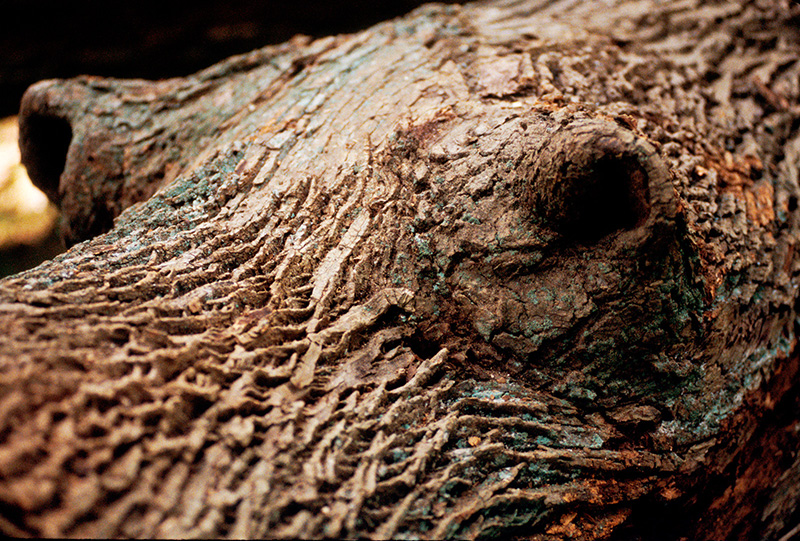
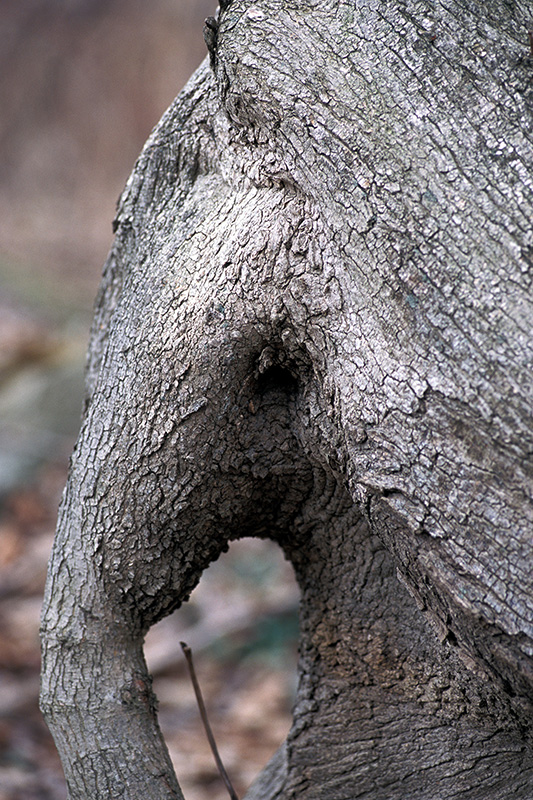
Lederman and his wife, interior designer Kitty Hawks, divide their time between New York City and Westchester County. It was at the latter in about 2001 where he developed his interest in photography and pursued this avocation avidly. Fascinated by the shadows in his own backyard, he experimented endlessly with shape and form. He discovered that in the right light, trees took on the shapes of animals; trying to capture them became a game, which trained him to use his camera. In 2003 the Botanical Garden published his first calendar, Woodland Creatures, which led to his annual series, Trees. In May 2008 Lederman was a Visiting Artist at the American Academy in Rome, where among other subjects, he photographed the Academy’s gardens and the Roman Campagna.
Over the years, Lederman’s cameras and accessories have changed with the times. He is self taught. “I went high tech,” he comments, “because I’m not capable of being low tech, not adept at working with chemicals in a darkroom.”
Photos © Lawrence Lederman, All Rights Reserved