Inside The New York Botanical Garden
Plant Talk
Posted in Programs and Events on June 18 2009, by Plant Talk
Excitement Builds Working with Star Chefs for The Edible Garden
 Jennifer Rothman is Associate Vice President of Children’s and Public Education.
 When the idea for The Edible Garden—our summer-long celebration of growing great food that begins June 27—began floating around, to say I was excited about the prospect of planning such an event is an understatement. You see, I am a bit of a foodie. When I’m not at work, I spend a lot of time thinking about food, cooking food, talking about food, reading about food…you get the picture. Now, after months of organizing this spectacular show, when I stand back and look at the lineup of celebrity chefs and gardeners who are featured, I keep thinking that if I didn’t work here, I would be the first person on line for tickets.
I mean, the chefs that are participating are “first-name famous”—Mario, Lidia, Martha—and at the top in their field. My Food Network favorites such as Daisy Martinez and Aida Mollenkamp are coming, too, as are the preeminent chefs of the local food movement like Dan Barber, who was just named James Beard Chef of the Year, and Peter Hoffman, a founding father of the movement.
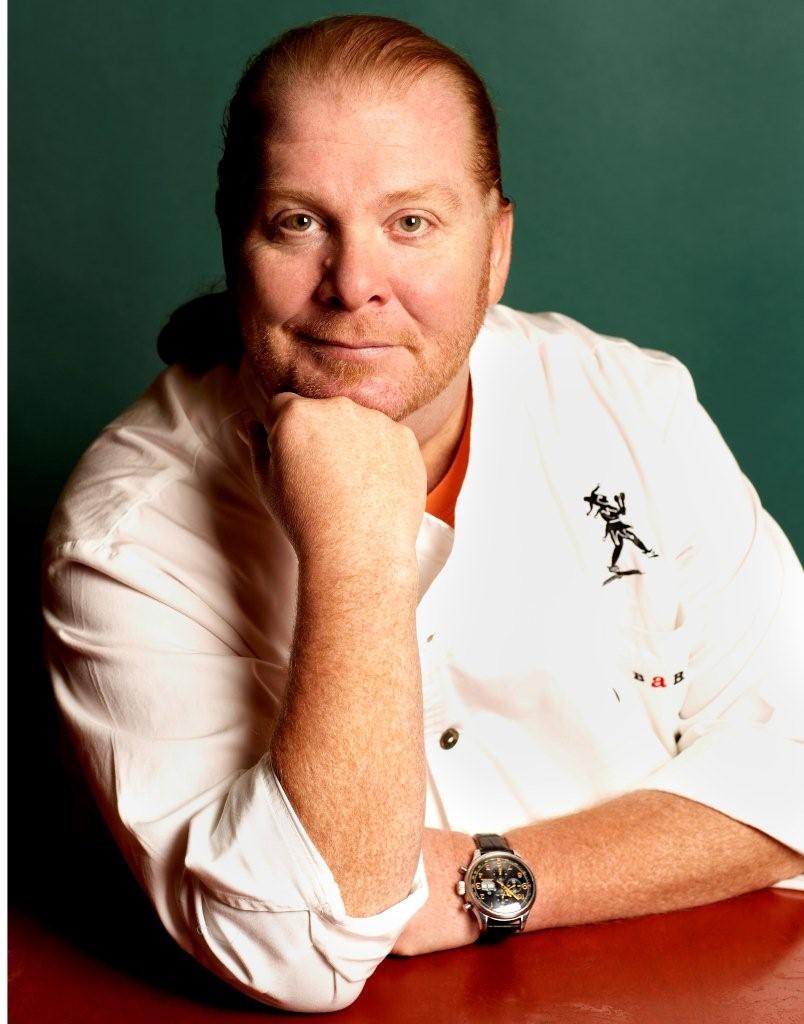
Just last week I had the pleasure of being in the recording studio with Mario Batali while he recorded the narrations for our Edible Audio Tour. He was such a pro, finishing in less than an hour, and he couldn’t have been nicer. He told me that he and his family were big fans of The New York Botanical Garden and that they were excited to come visit this summer.
Read More
Posted in Programs and Events on June 17 2009, by Plant Talk
Shop Each Wednesday and Now Saturdays, Too
 Gayle Schmidt is Manager of Public Education.
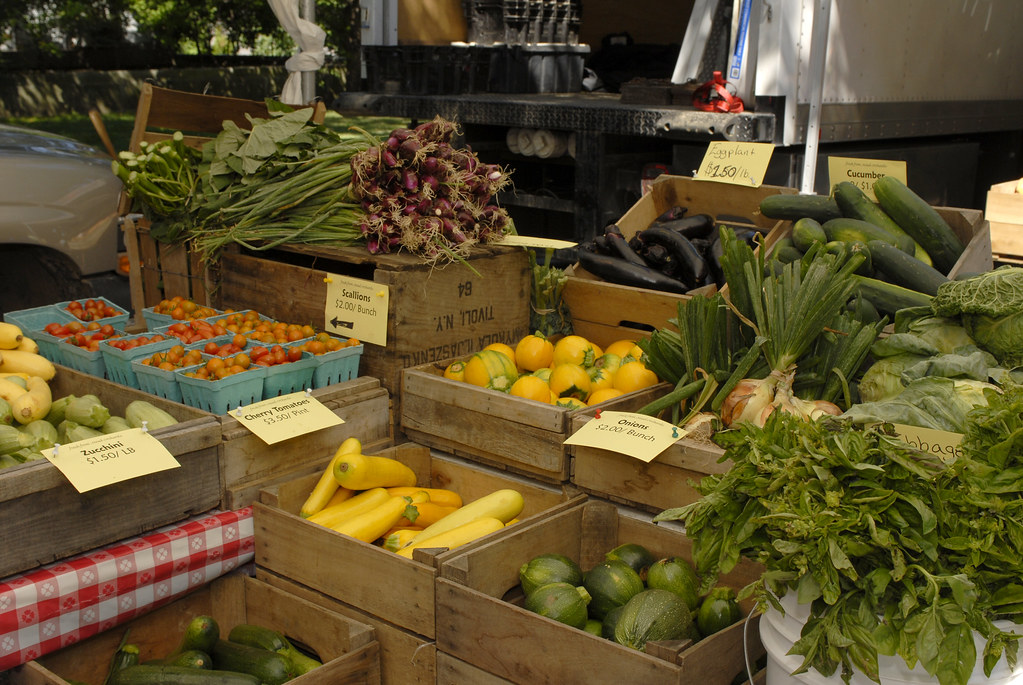 For weeks I haven’t been able to walk down the hallway without someone stopping me to ask, “When does the Farmers Market start?” Everyone at the Garden loves the season when we can purchase farm fresh goods at lunch hour and spend the rest of the afternoon planning recipes for dinner (well, in theory at least). Finally, I can let them know that the time is now—and that the Farmers Market is bigger and better than ever. We have expanded the Market to include Saturdays as well as Wednesdays, we have lengthened the daily hours, and we have increased the offerings to include meats and cheeses along with the colorful array of fruits, vegetables, honey, breads, and baked goods.
Farmers markets are a great way to learn more about where your food comes from and how delicious it can be when it has been picked within a day of your purchase. Greenmarket, part of the Council on the Environment of New York City and the largest open-air farmers market program in the country, has coordinated farmers and vendors since 1976 and maintains vigorous standards for sustainable farming and production. There are over 45 Greenmarket farmers markets throughout the City, and now the Botanical Garden’s can be counted among them.
Read More
Posted in Learning Experiences on June 16 2009, by Plant Talk
 |
Peter Couchman is a second-year student in the School of Professional Horticulture. He is doing his required six-month internship at the five-acre Sands Light estate, home to the Sands Point Lighthouse in Port Washington on the north shore of Long Island. The School’s internship program is designed to allow students to synthesize and apply what they’ve learned, expand their skills by providing further training in a professional horticulture venue, and expose them to the multiple facets of the field. Peter sent us this report.
|
One condition of my accepting this internship was to introduce a composting program: Prior to my arrival, there was no composting on the estate. All garden waste was placed in the municipal garbage.
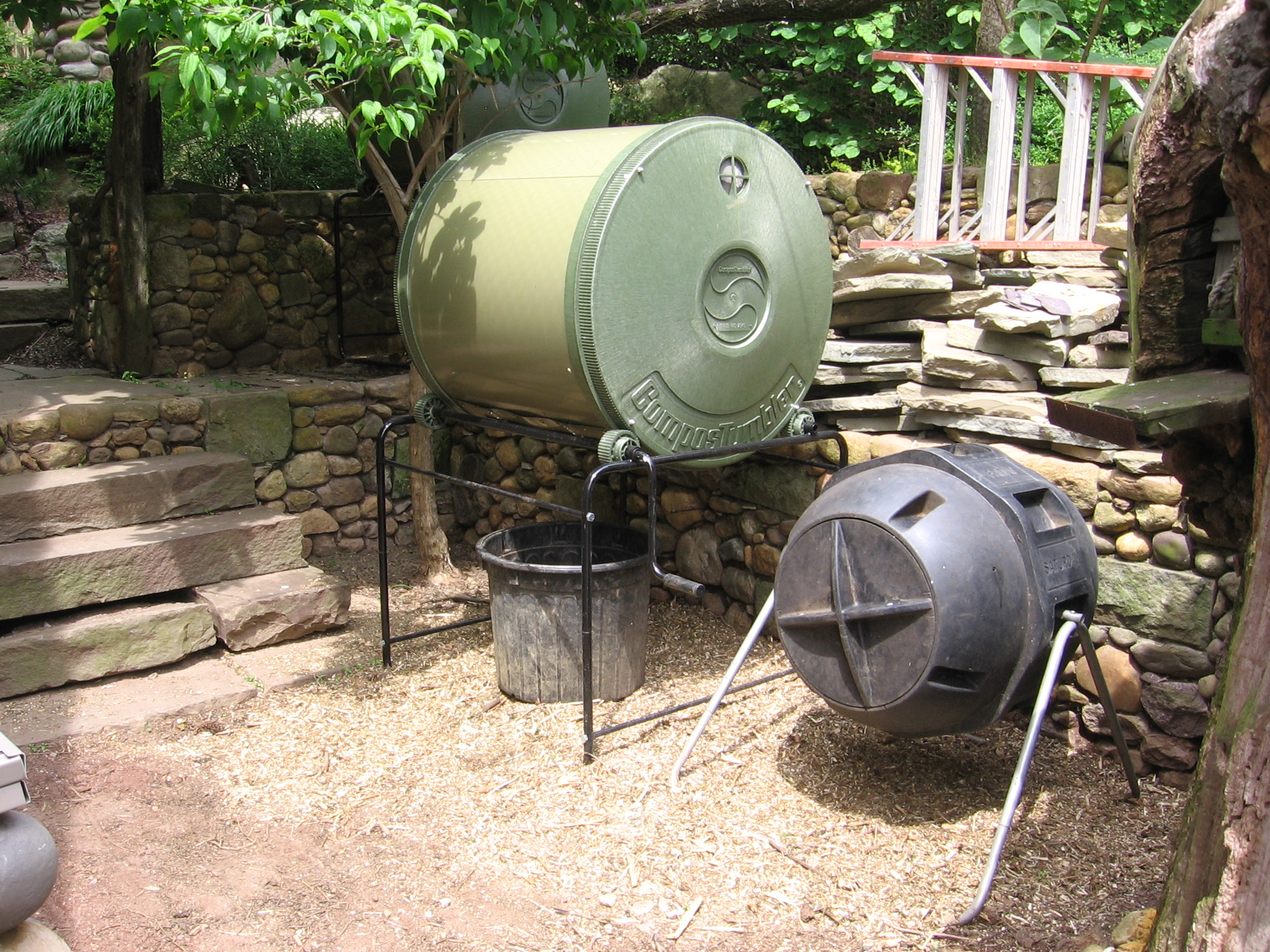
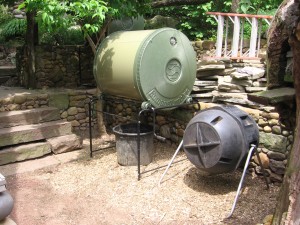 Since my time here, I’m happy to say, I have researched, installed, and implemented a composting facility. With limited space for a compost area, it was important that the facility not be unsightly as it would be close to the house. For that reason, I chose to use compost tumblers, which keep the compost out of sight and are easy to turn and oxygenate. They also keep out wild animals such as the ever-present raccoons. To facilitate the composting process, I established a new wood-chipping area to create a good carbon source of sawdust and woodchips. The main nitrogen source comes from the collected clippings from each week’s lawn mowing. Recently, I began collecting kitchen waste such as eggshells and vegetable and fruit scraps for composting as well. Through composting, we have decreased the amount of waste we place in the municipal garbage by up to 30 percent.
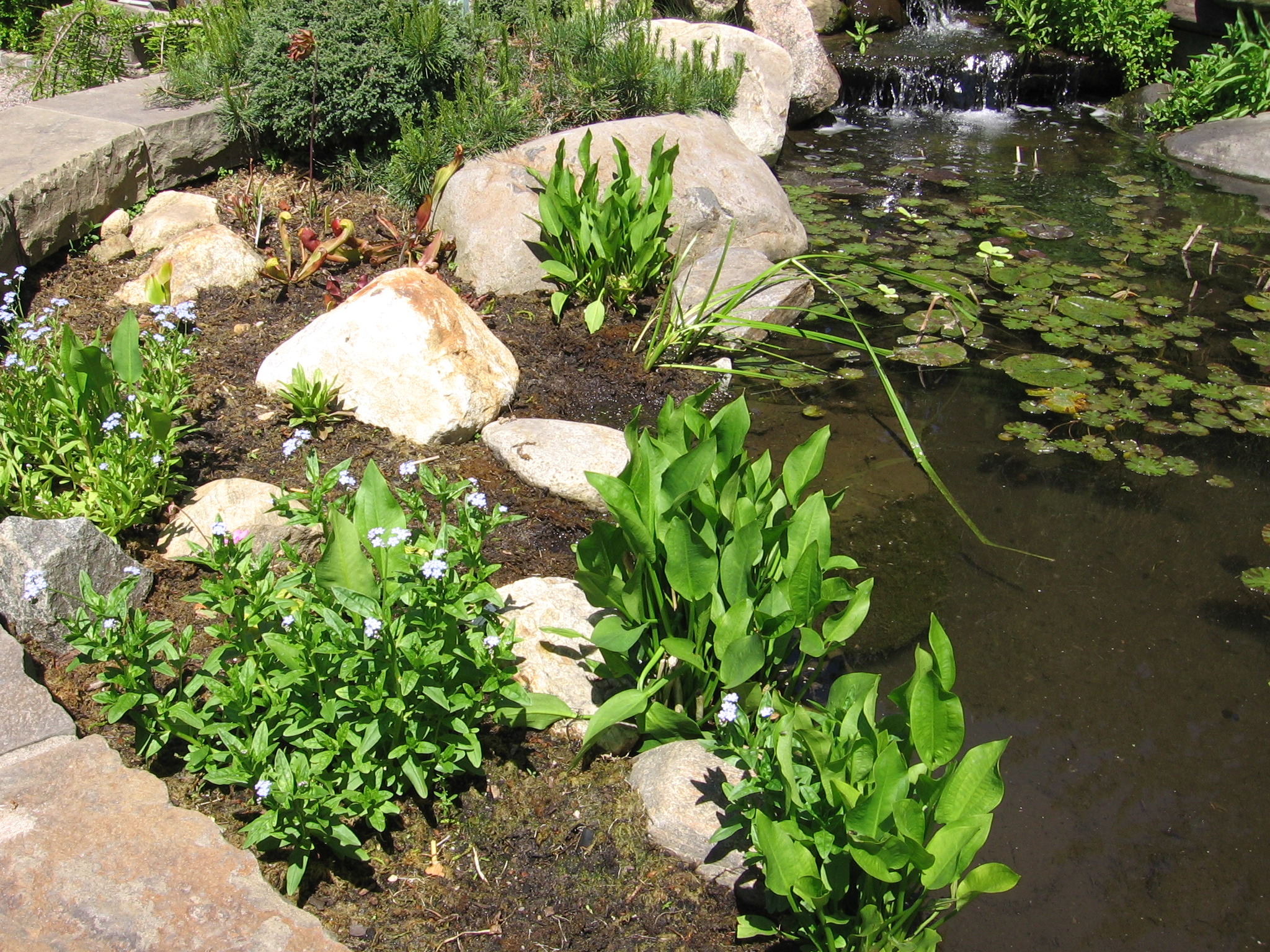
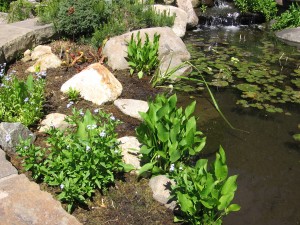 In addition, I designed and installed a new bog garden within an existing pond and waterfall feature. I was able to incorporate Sarracenia leucophylla ‘Tarnok’, Sarracenia purpurea, Iris fulva, Mimulus sp., Pinguicula primuliflora, and other Pinguicula species that the owner already had. We will be adding additional carnivorous and bog plants in the next couple of weeks.
Read More
Posted in Programs and Events on June 12 2009, by Plant Talk
Gayle Schmidt is Manager of Public Education.
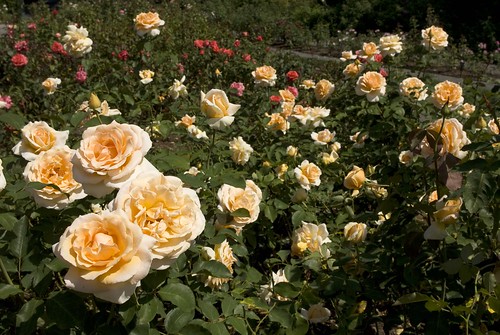 Wine and roses—what a romantic combination! Evening events at the Garden are among my favorite to organize. Even when I’m setting up and readying for the arrival of guests, the work is more relaxed and enjoyable. It is a different kind of busy than being in the office, because once the evening starts, I can enjoy it, too. The lengthening days allow us to be outdoors longer in June. The sun casts long streaks on the grass through the trees and a bright spotlight on the flowers and shrubs as it lowers in the sky. It is time to slow down and take in the day. It is so nice to make this peaceful time in the Garden available to our visitors as well.
Following the success of our Kiku and Cocktails evening events this past fall, this month we are highlighting the first blooms of roses at the start of their long season with Wine and Roses evenings. You can kick off your weekend with a stroll among the hundreds of plants in the Peggy Rockefeller Rose Garden and succumb to the lure of these beautiful, scent-filled flowers as many have throughout the ages. Speak with the Curator, Peter Kukielski, and the rose gardeners themselves and learn about the different rose varieties, the new disease-resistant additions, and how the collection is cared for.
As you amble the paths, listen in the background for the live jazz, folk, or contemporary music dancing in the breeze and the gentle clinking of wine glasses celebrating the end of the week, the start of the summer, or the good company of friends. Why not spend an evening at the Garden? A great night for impressing a date, if I say so myself!
Check out all of Saturday’s programming
Check out all of Sunday’s programming
Posted in NYBG in the News, Science, Shop/Book Reviews on June 11 2009, by Plant Talk
 |
Stephen Sinon is Head of Information Services and Archives in The New York Botanical Garden’s LuEsther T. Mertz Library. |
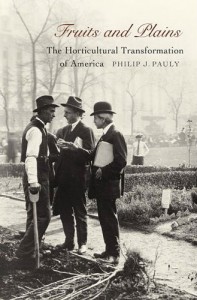
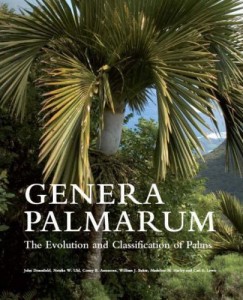 The Council on Botanical and Horticultural Libraries (CBHL), of which NYBG is a founding member, recently presented its 10th Annual Literature Awards. The awards, created to recognize significant contributions to the literature of botany and horticulture, honored three exceptional books this year, all of which acknowledge input from The New York Botanical Garden and all of which can be found in the LuEsther T. Mertz Library. The council is the leading professional organization in the field of botanical and horticultural information services.
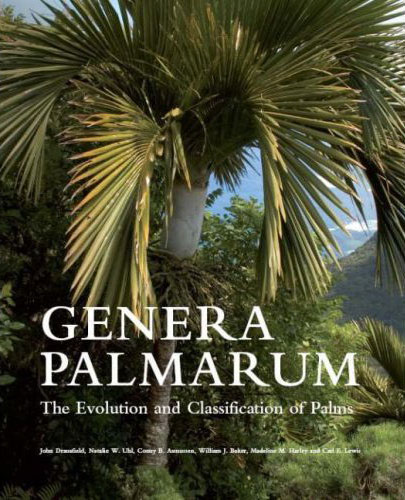
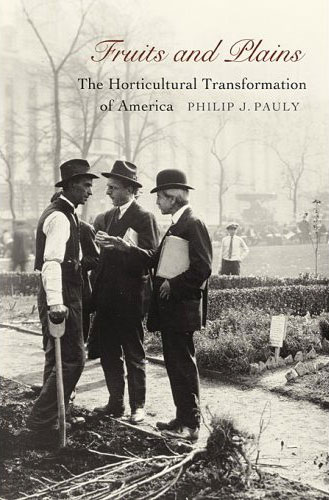
The General Interest category was topped by Fruits and Plains: The Horticultural Transformation of America, by Philip J. Pauly. (This title is available at Shop in the Garden.) Genera Palmarum: the Evolution and Classification of Palms, by John Dransfield, Natalie W. Uhl, Conny B. Asmussen, William J. Baker, Madeline M. Harley, and Carl E. Lewis, won the Technical category.
 In celebration of the 10th anniversary of the awards, a Special Recognition Award was presented to TL-2, more formally known as Taxonomic Literature: a Selective Guide to Botanical Publications and Collections with Dates, Commentaries and Types, 2nd edition. This monumental work, the first edition of which was compiled by Frans A. Stafleu and Richard S. Cowan as a seven-volume set completed in 1988, is one of the most important resources in botanical literature. The current edition was updated by Laurence J. Dorr, Erik A. Mennega, and Dan H. Nicolson and was honored by CBHL for significant contributions to the literature of botany and the study of plants.
In compiling the massive 15-volume reference work, the authors of Taxonomic Literature used the collections of the Mertz Library; now, over 800 linear feet of their original research papers are in the Library’s archives. The CBHL award was given in recognition of the release of the final volume in this set.
TL-2 acknowledges the outstanding collections of the Mertz Library as well as the assistance provided by the staff, as does Fruits and Plains, whose author also consulted the collection several times while working on his book. The third work, Genera Palmarum, acknowledges the valuable input of two New York Botanical Garden Science staff members: palm expert and Institute of Systematic Botany curator Andrew Henderson, Ph.D., and postdoctoral research associate Thomas Couvreur, Ph.D.
Posted in Uncategorized on June 10 2009, by Plant Talk
 Gregory Long is President and CEO of The New York Botanical Garden.
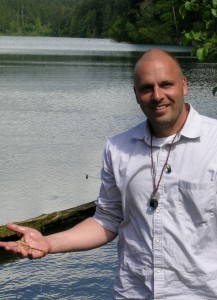 A couple of weeks ago, I had a quintessential New York Botanical Garden day, and I want you to hear about it, as it tells a wonderful story about the people, programs, and collections of this remarkable place.
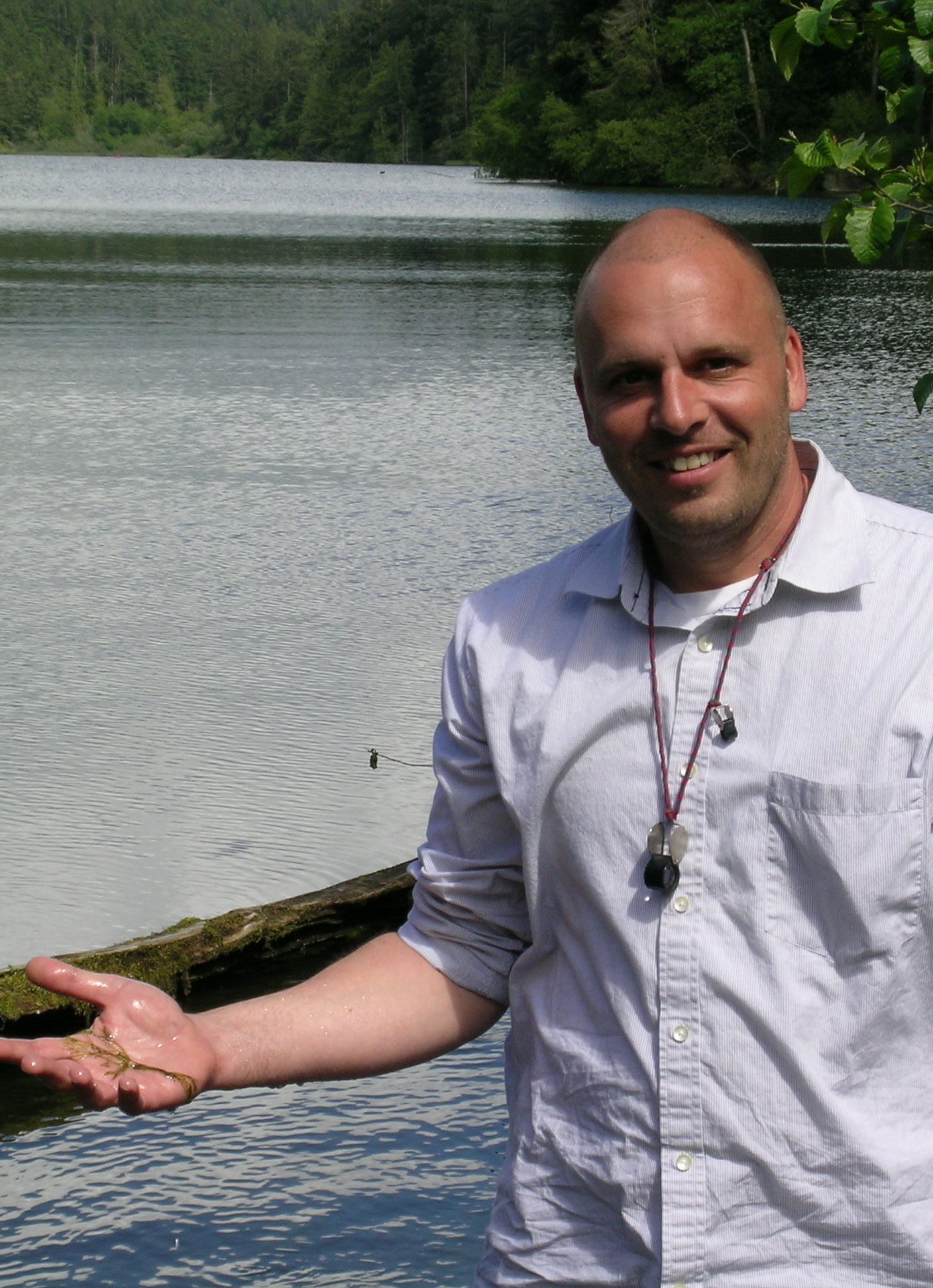
It began in the conference room of our Plant Research Laboratory with a scientist new to the Garden, Ken Karol (right), presenting a short lecture on our current research into the Tree of Life—the evolution of plants from green algae up to flowering plants. As you may know, here at the Botanical Garden we are substantially revising scientific thought about evolution because of the research and work conducted in our Cullman Program for Molecular Systematics.
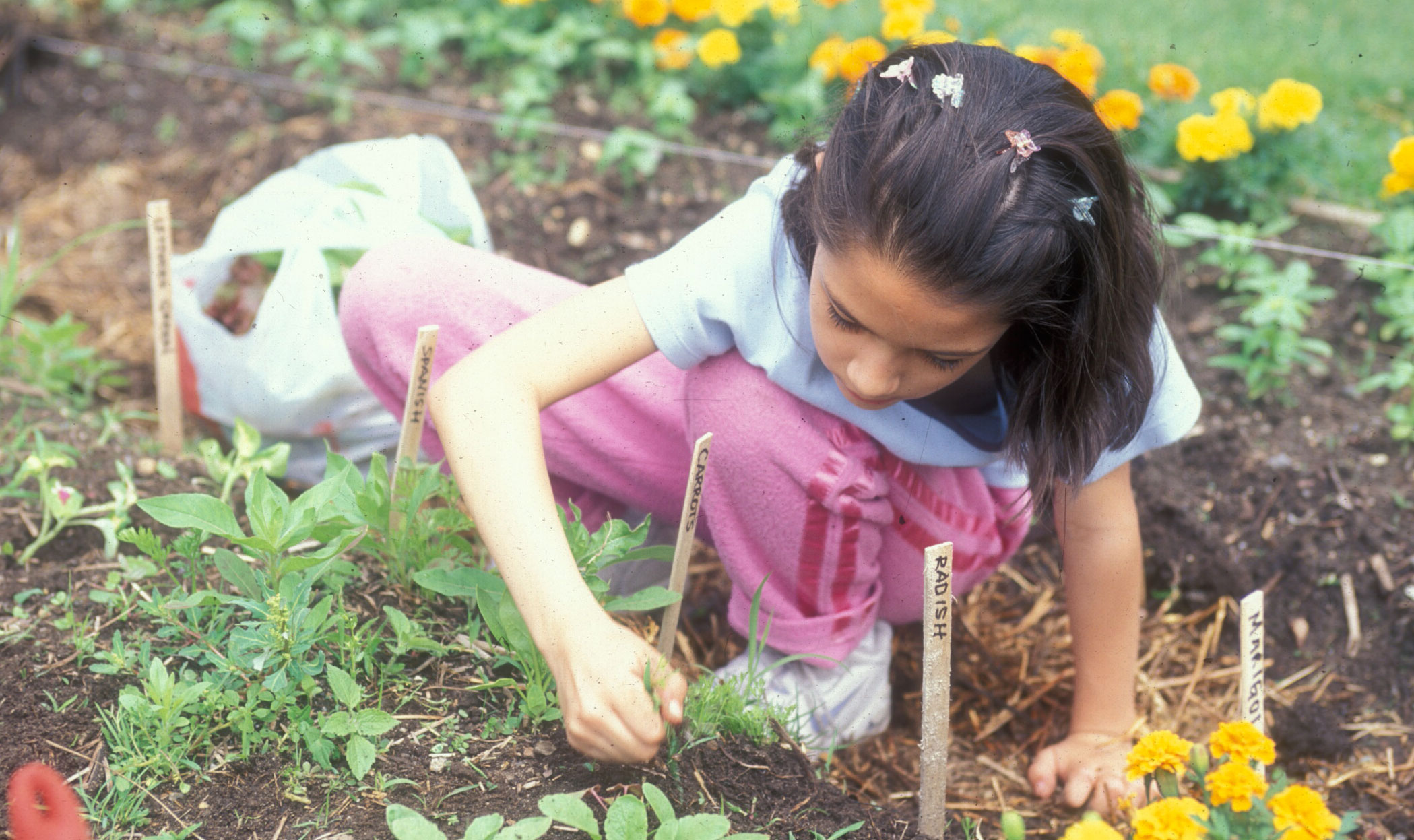
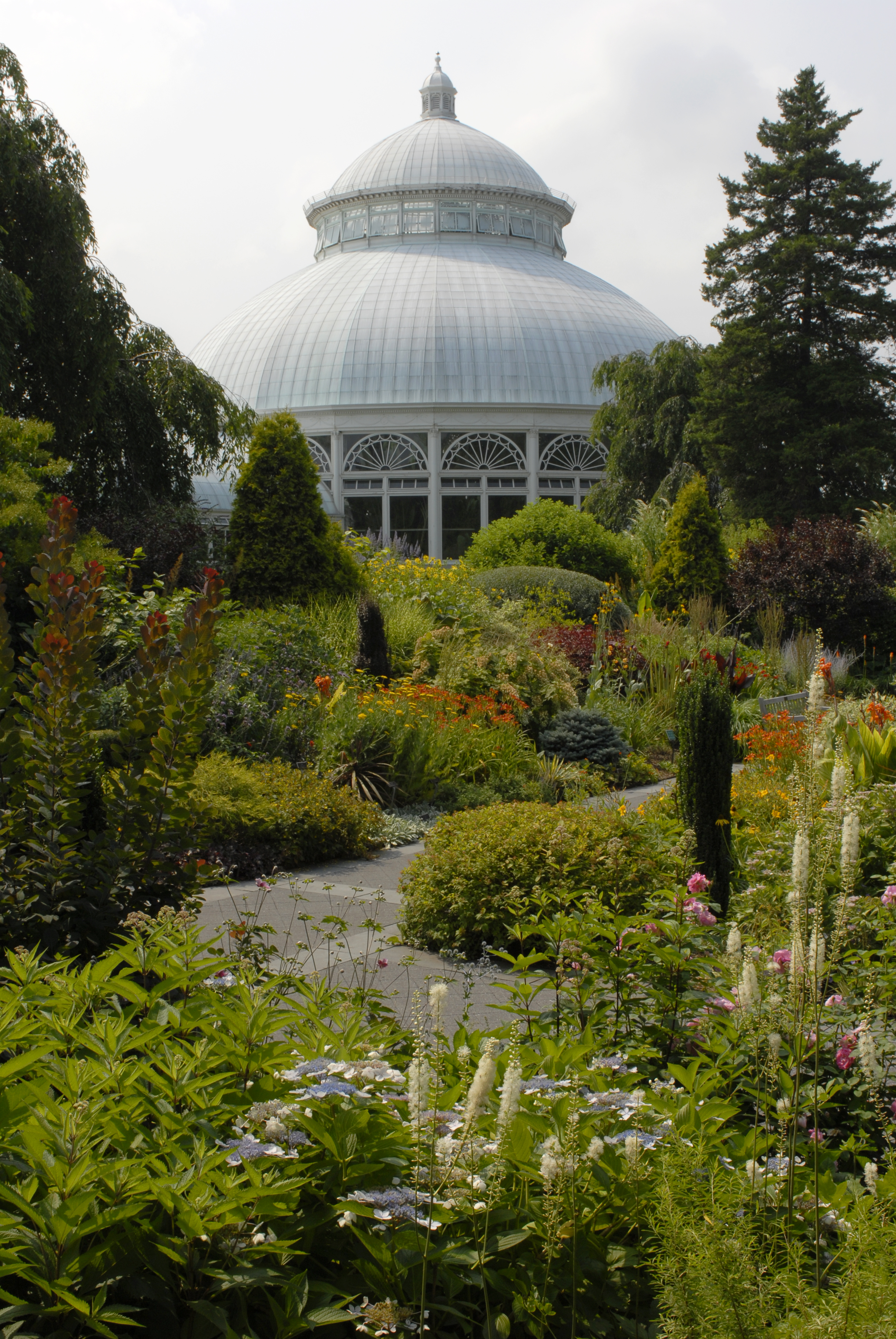
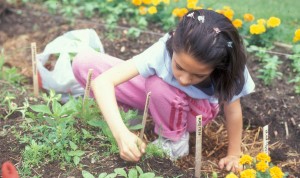 Later that morning I spent some time in our beautiful Howell Family Garden watching a few volunteers and two groups of Bronx second-graders—children maybe 7 or 8 years old—planting lettuce seedlings in fertile, black composty beds that the kids had learned how to prepare. Afterward I saw those same kids marching behind their teachers to go over to tour the Haupt Conservatory to see the plants of the world and a spectacular flower show.
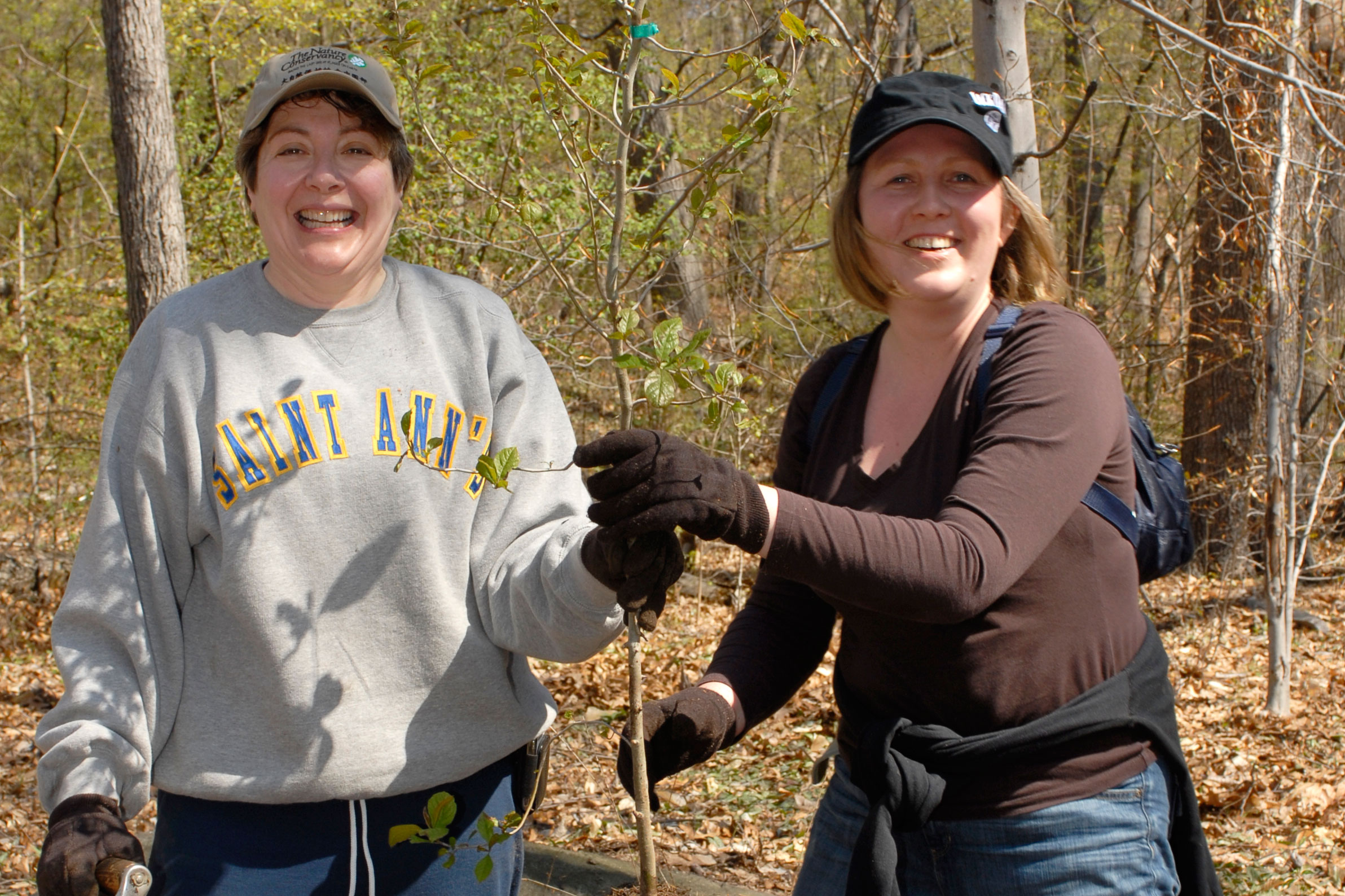
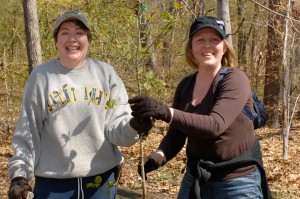 Then my friend (and Board Member) Tom Hubbard came for a visit, and we went with our Forest Manager, Jessica Arcate, into the Garden’s first-growth Forest to visit a site where many very fit volunteers, including Florence Davis of The Starr Foundation (near right with Joanna Baginski) and Board Member Julie Sakellariadis, were planting hundreds of trees to reforest the Forest. It was an inspiring scene.
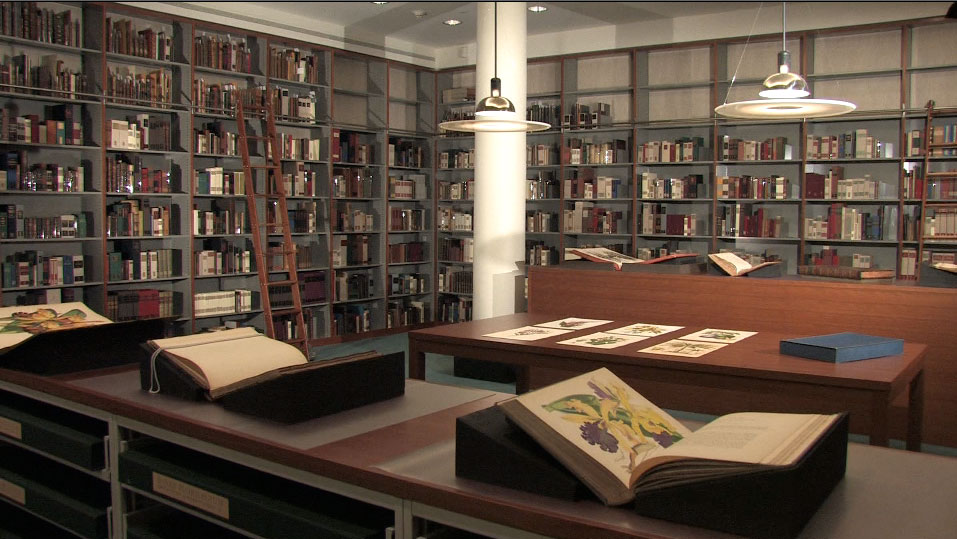
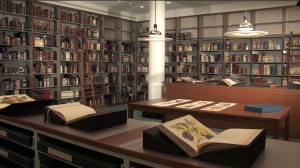 To top it all off, later in the day I was in the Mertz Library, where I met two of our new graduate students and saw a research librarian with a class of our Botanical Art students in the Rare Book Room studying sumptuous 18th-century illustrated plant books.
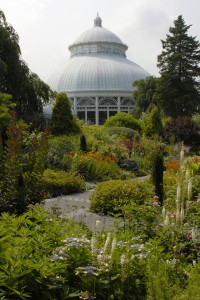 These vignettes are snapshots of the life of the Garden—what’s amazing here is the combination of art and nature, fun and learning, science and conservation, and high intellectual endeavor set in this beautifully planted and maintained sanctuary that we share with millions of people—from graduate students to 7-year-olds.
Many generations of scientists, horticulturists, educators, administrators, architects, garden designers, and Board Members have labored in a long and sustained effort—since the 1890s—to design and improve; to plant, write, teach; and to make the Garden beautiful and significant. We are privileged to be the contemporary generation fitting into this long continuum.
Posted in Learning Experiences on June 9 2009, by Plant Talk
Monet’s Garden Exposes Subtleties of Color and Light
 |
Christopher Bale is a second-year student in the School of Professional Horticulture. He is doing his required six-month internship at the famous garden at Fondation Claude Monet in Giverny, France, and sent us this report. The School’s internship program is designed to allow students to synthesize and apply what they’ve learned, expand their skills by providing further training in a professional horticulture venue, and expose them to the multiple facets of the field.
|
At the Fondation Claude Monet garden in Giverny, France, I am learning a number of new skills that will serve me in my horticulture career. It is spring, and I am learning about different approaches to spring plantings as well as preparation for summer plantings.
The amazing things about the Monet garden are the subtleties and approaches to the use of color and light. These ideas are reflected in the various areas of the garden and are the design approaches that are the most important aspect of my learning experience.
Daily I am involved in all aspects of horticultural maintenance: pruning, planting, deadheading, and plant production. The new skills I have learned pertain to the day-to-day approaches to management and planning for a garden of this size and stature. I have learned many new plants along with many French common names. Most important has been the strengthening of my knowledge of the distinctions between the Narcissus divisions of the family Amaryllidaceae and the Tulipa types of the Liliaceae.
Posted in Programs and Events on June 5 2009, by Plant Talk
Mannahatta Author Tells of Uncovering the Natural History of the City
 |
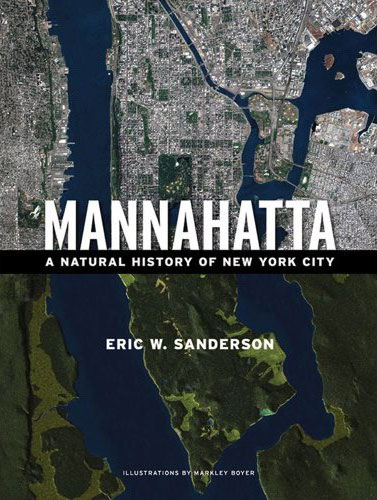
Eric Sanderson, Ph.D., is a landscape ecologist at the Wildlife Conservation Society. His acclaimed book Mannahatta: A Natural History of New York City reconstructs through words and images what the island of Manhattan looked like in 1609 when Henry Hudson arrived. He will discuss his project in a presentation tomorrow, June 6, at 2 p.m. in the Arthur and Janet Ross Lecture Hall at The New York Botanical Garden and lead a walk through the Native Forest en route to viewing the wigwam in the Ruth Rea Howell Family Garden. This weekend is also the last chance to see the Garden’s spring exhibition The Glory of Dutch Bulbs: A Legacy of 400 Years.
|
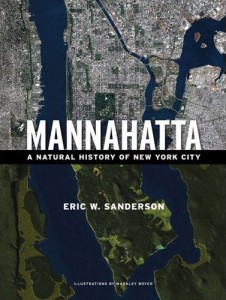 In 1998 I moved to the Bronx from out West, and the following year my wife, Han-Yu Hung, took a job at The New York Botanical Garden, working with kids in the Ruth Rea Howell Family Garden. Our son was born in 2000 and shortly after that, early every Saturday morning we would drive to the Garden together: my wife to work, my son to dig for worms, and me to wander in the woods. I never thought moving back East that I would find a forest (the 50-acre NYBG Forest) with a river running through it (the Bronx River, the only freshwater river left in the city) in the heart of the Bronx.
During the week I worked as an ecologist for the Wildlife Conservation Society, at the Bronx Zoo across the street, but in the evenings and weekends my mind was increasingly turning to what New York was like before it was a city, to a time 400 years ago when the Lenape, the local Native Americans, called Manhattan Mannahatta—or island of many hills—and the Bronx Wanaqua, after the river that ran through it. I spent my time in the library looking at old maps and in the Botanical Garden looking at old trees.
Though I didn’t know it at the time, ultimately the Mannahatta Project would take me nearly a decade to complete and teach me things about nature and the city that I never thought I would know. But in the meantime, I was doing another kind of research right here at the Garden, finding out for myself how the Lenape might have used the natural resources of the area.
Read More
Posted in Gardening Tips, Shop/Book Reviews on June 4 2009, by Plant Talk
 |
Richard Pickett is Director of Retail Operations. |
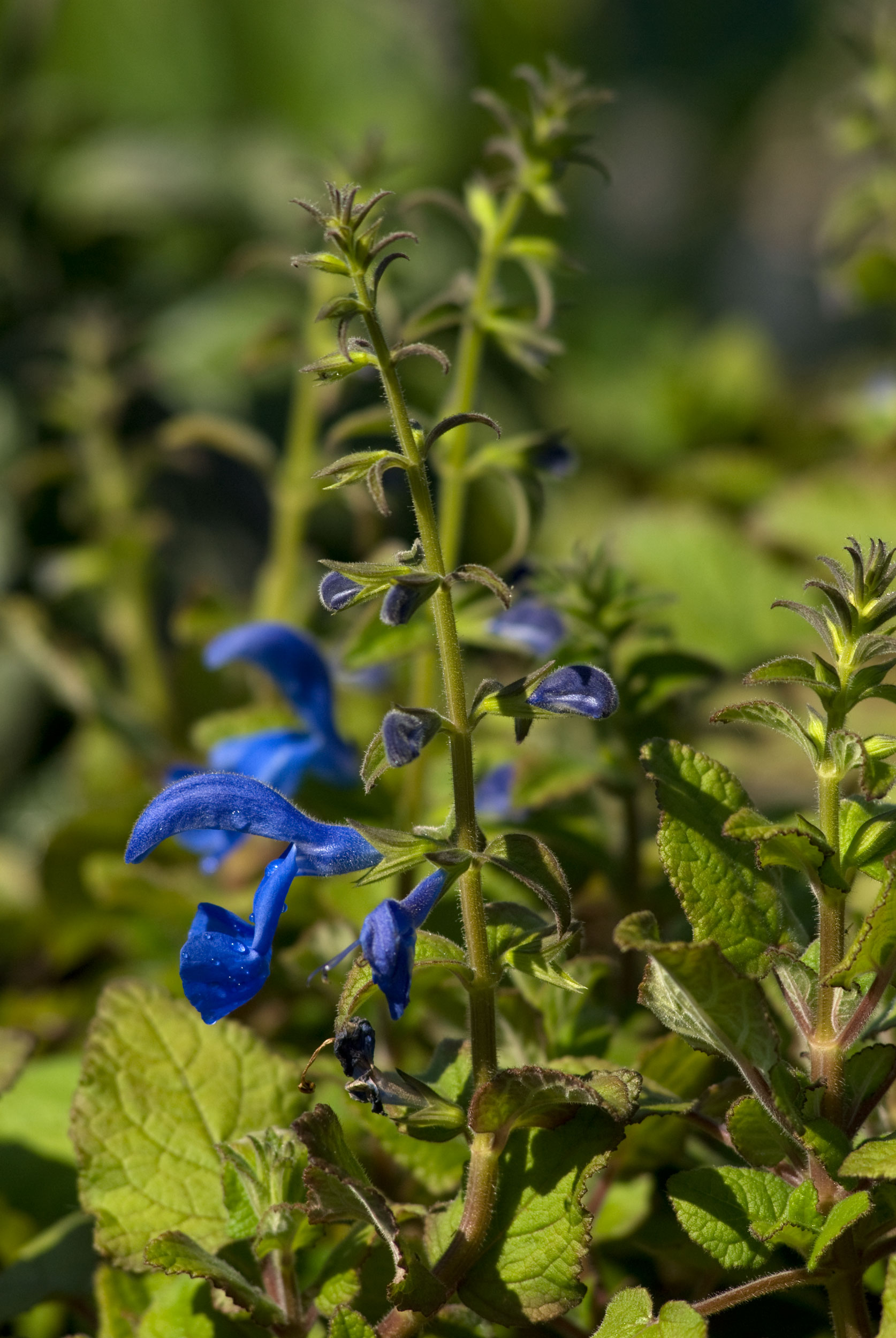
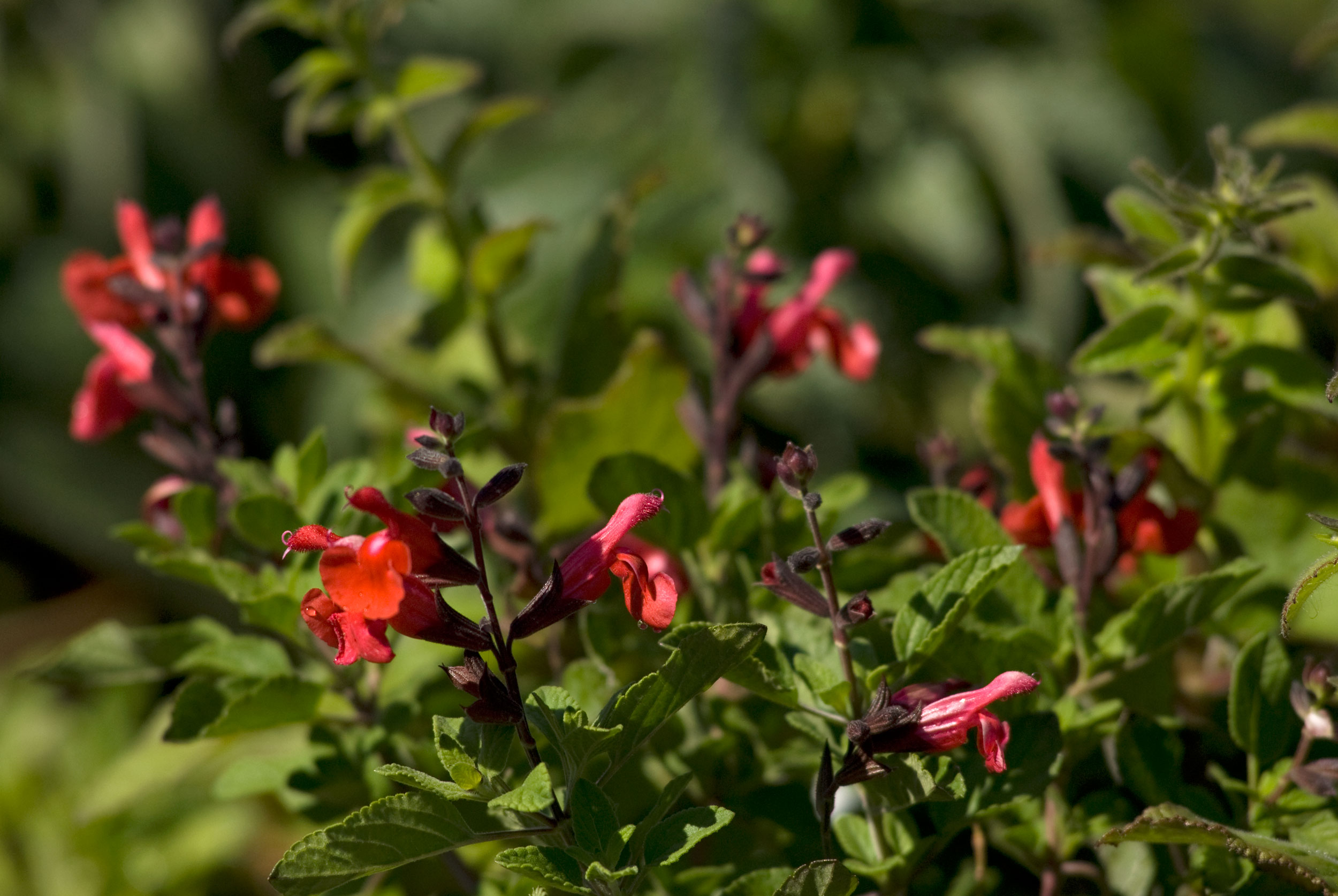
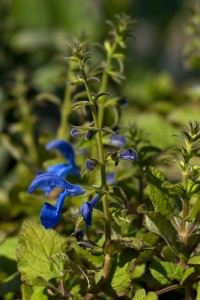 Salvia has been seducing gardeners for centuries. Roman scientist and historian Pliny the Elder was the first to use the Latin name Salvia. The name derives from salvare, to heal and save, and salvus, meaning uninjured or whole. But for today’s avid gardeners salvias, or sages as they are commonly known, are not only used for their culinary and medicinal properties but for their vibrant flowers and easy cultivation in almost any climate.
At the Botanical Garden, you can see several species of Salvia by visiting the Perennial Garden, the Rock Garden, and the Home Gardening Center. The Family Garden has planted a number of varieties as well, including one with dark violet flowers, Salvia ‘Indigo Spires’, and bog sage, Salvia ‘Ulginosa’. And, of course, Martha Stewart used plenty of Salvia in her recent redesign of the historic Herb Garden. You can even download a site plan of Martha Stewart’s Culinary Herb Garden, which will be a feature of The Edible Garden celebration this summer.
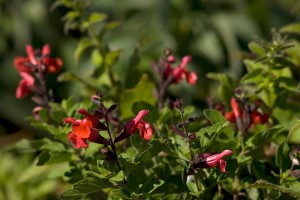 If you’re inspired to include salvias in your own garden, be it urban or suburban, you’ll find a wide variety of both perennial and annual salvias in Shop in the Garden, from Salvia officinalis, culinary sage, to Salvia nemorosa, perennial meadow sage, and the unusual annual, black-flowered Salvia discolor.
The genus Salvia has arguably the truest blues and brightest reds of any group of plants and their applications are endless—borders, baskets, herb gardens, and patio pots to name a few. There is room in any garden, terrace, or patio for a Salvia or two. They are deer-resistant, relatively drought tolerant, and attractive to hummingbirds and butterflies. What more could a gardener ask?
Posted in Learning Experiences, People on June 3 2009, by Plant Talk
Earns Certificate to Be Awarded at Weekend Ceremony
 |
Stephan Chenault is Director of Science Development. |
This Sunday I will receive my Continuing Education Certificate in Botany. I enrolled in the program soon after joining the Garden’s staff, in August 1998. My decision to study botany was based on a love of nature that dates from my childhood. I still remember my mother taking me on a walk in the woods around Lake George at the age of three and how much I appreciated and was fascinated by acorns, oak leaves, chipmunks, and mushrooms. My goal in pursuing the Botany Certificate was to gain more knowledge of plant life and the natural world so that I would have a key to turn other people on to the natural world.
My past experiences in nature education have been as a counselor and teacher at a camp in New Hampshire. Helping children encounter and enjoy the environment through hikes, nature walks, aquarium- and terrarium-building, gardening, and art has been one of my most rewarding vocations. Later, as a volunteer activist in the Sierra Club, the country’s largest environmental organization, I would participate and help lead hikes with my activist collaborators. Many of these volunteer partners switched careers and became full-time professional environmental leaders, and I, myself, switched careers to take on a position in science fundraising for The New York Botanical Garden.
The knowledge I have gained from being a student in the Continuing Education program has been very helpful to me in understanding the Garden’s scientific programs and describing them to potential donors in the philanthropic community.
Read More
 When the idea for The Edible Garden—our summer-long celebration of growing great food that begins June 27—began floating around, to say I was excited about the prospect of planning such an event is an understatement. You see, I am a bit of a foodie. When I’m not at work, I spend a lot of time thinking about food, cooking food, talking about food, reading about food…you get the picture. Now, after months of organizing this spectacular show, when I stand back and look at the lineup of celebrity chefs and gardeners who are featured, I keep thinking that if I didn’t work here, I would be the first person on line for tickets.