Debbie Becker leads a free bird walk at the Garden every Saturday from 11 a.m. to 12:30 p.m., beginning at the Reflecting Pool in the Leon Levy Visitor Center.
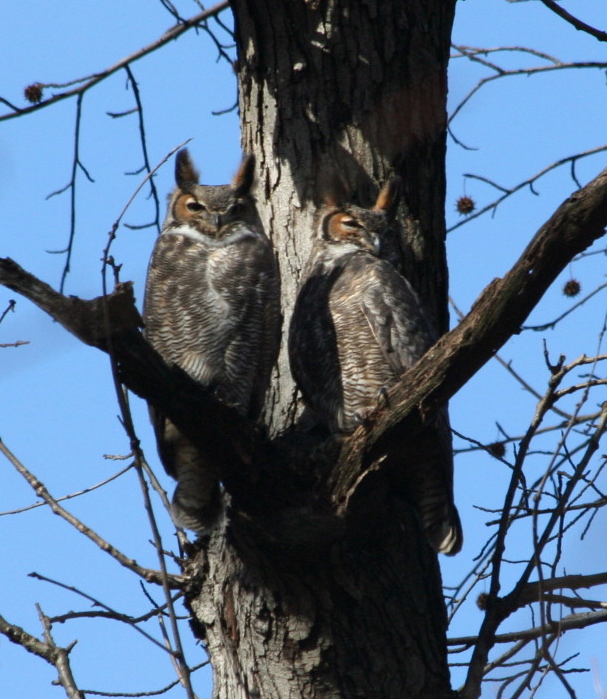
Now that the trees are shedding their leaves, I’ve begun taking the weekly Bird Walk group through the Forest in hopes of seeing the resident great horned owls. Sure enough, a couple of weeks ago we discovered a large great horned owl (GHO) perched on a low branch.
At first we could not decided whether it was the adult male or the adult female of the regular pair. (The male is at left in the photo, taken last year during their courting phase.) Upon closer inspection we decided it was neither; it was one of their offspring. It has been months since the babies fledged the nest. So what was this immature owl still doing in the Forest? Great horned owls reach sexual maturity after two years, but their territoriality begins almost immediately after they learn to feed themselves.
Could it be that the mature male has reached the end of his reign as the only male owl in the Forest? He is, after all, more than 20 years old. That is a long life span for a wild owl (captive GHOs can live up to 30 years), although the owl pairs in Pelham Bay Park and Van Cortlandt Park have been breeding for almost the same amount of time. Human encroachment has given them a unique domain: The highways and complexes around our forests have created a closed habitat, ensuring enough food, safety from many predators, and a long life span.
The time comes for all creatures when they get too old to go on or they are pushed out by the next generation. Observing the younger owl in the Forest saddened me and the birders on the tour, as we know it could only mean one thing: Our resident great horned owls may be pushed out by a more vibrant male that will take over the Garden’s Forest and begin looking for his own mate. It is a somber time for the resident birders. We are all getting older and in danger of being replaced by someone fresher and younger. Sadly, to everything there is a season, even for the great horned owls of The New York Botanical Garden.
Join us on Saturdays at 11 a.m. to look for the great horned owls and other birds of the Garden.
Learn more about the Garden’s resident great horned owls after the jump.
The polls have closed and the final results are in. Voters have made their choice. Time to announce the results of…our Kiku Poll!
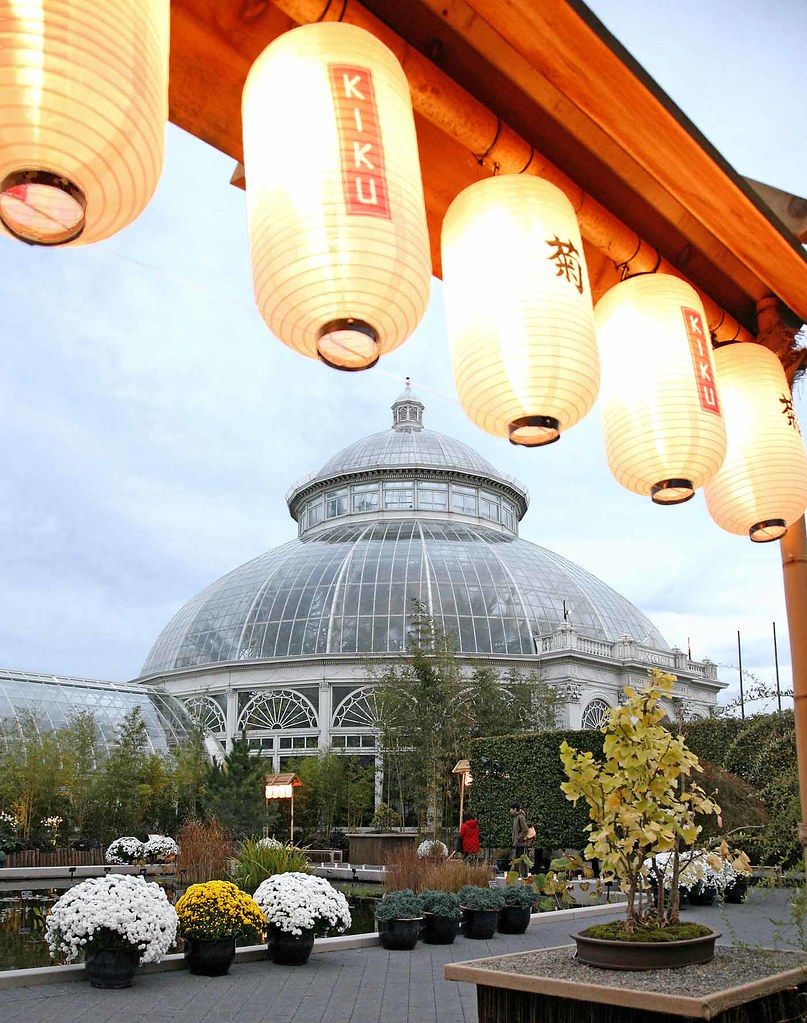
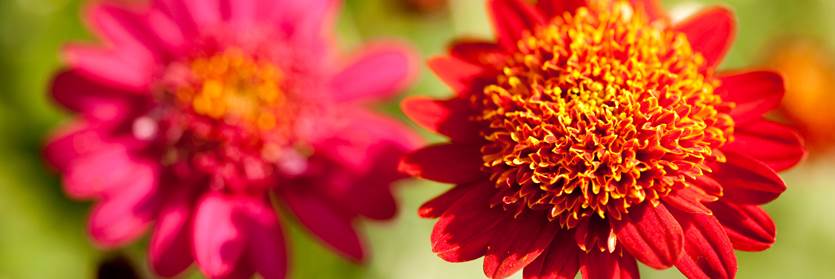
Two weeks ago, we asked visitors to select their favorite kiku style and the race was tight. It seems all four display styles have their fans. In an extremely close survey, the dramatic single-stemmed ogiku pulled an upset, coming from behind for the win, earning 30 percent of the votes. In a very close second place was the dome-shaped ozukuri, with 28 percent. The new style, shino tsukuri, and the cascading kengai were tied for third, both with a respectable 21 percent.
Thanks to everyone who took the time to vote in our fun little election. Be sure to see the displays in real life by visiting Kiku: The Art of the Japanese Chrysanthemum, which runs through November 16. This video gives you a preview of what you’ll enjoy.
Love of Plants Is Natural for this Author John Suskewich is Book Manager for Shop in the Garden.
We’ve always wanted to salute the body of work of Ken Druse, one of our very best garden writers; so the upcoming release of his latest book, Planthropology, was all the trigger we needed to schedule a booksigning here at Shop in the Garden on November 8, from 2 to 4 p.m.
Through his lectures, journalism, books, and designs, Ken has advocated a style of gardening that combines the beautiful and the ecological in a unique and important way. Long before the concept of “green gardening” was born, he was emphasizing an earth-sensitive design and horticulture that has increased in relevance exponentially over the years. Look at the titles of his books as he created this template: The Natural Garden, The Natural Habitat Garden, The Natural Shade Garden. He makes his case with an elegant, accessible prose voice and his own beautiful photography.
Planthropology: The Myths, Mysteries, and Miracles of My Garden Favorites is more plant centered and personal than his previous books. It encompasses history, botany, folklore, horticulture, and medicine, and illustrates the concept behind the neologism with a series of stories about plants and explorers, scientists, neighbors, artists, lost relatives, obsessive-compulsives, insects, and the author himself. Some of the plants he studies are the poppy, dove tree, fig, orchid, daphne, ginkgo, and one of my current favorites, the lore-laden Franklinia.
He emphasizes the “plantyness” of gardening in this book, because I think he senses with some alarm that, as technology and culture develop, the bonds that have always tied people and nature together are being pressured and pulled and might snap permanently. Toward the end of the book, he refers to the metastasizing condition of “plant blindness.” He recalls in a story about a Victorian girl’s childhood that not so long ago kids encountered nature naturally, as part of their daily lives, but especially in their play. In other books he has recollected his own ’50s suburban youth of walking in the woods and finding plants and building forts in oak trees. (That you inevitably fell out of and scraped your elbow and your mother sprayed you with vermilion Mercurochrome.) How differently we grow up today! Instead of becoming a naturalist and writer, Thoreau could have been joined to a joystick playing Grand Theft Auto for hours on end.
The New York Botanical Garden is a plant museum with a mission, and that is to make sure we preserve and protect not just the physical world of plants, which we do through our programs of research and conservation, but also to show that love of nature (what the naturalist Edward O. Wilson calls biophilia) is a fundamental part of our humanity. And that we do through our visitor experience of which Shop in the Garden (all the staff here are proud to say) is very much a part. So it is fitting that we have our fellow plant lover Ken Druse and his new book Planthropology here this season. We look forward to seeing you when you come to meet him on November 8!
Fall Container Candidates Sonia Uyterhoeven is Gardener for Public Education at The New York Botanical Garden.
The classics for fall containers tend to be mums (Minnesota has come out with a wonderful series of cushion mums) and ornamental grasses. If you would like to spice them up with something new, why not add some Bergenia (pigsqueak) or winter heaths and heathers?
Heathers (Calluna vulgaris) have wonderful foliage that comes in many shades of green, gray, gold, copper and orange. Heathers tend to flower in summer through the late fall and love full sun and good drainage. Winter heaths (Erica carnea)—as the name suggests—flowers in the winter months. The foliage tends not to be as spectacular as heathers but still come in colorful choices. They can handle partial shade but prefer full sun like their counterparts.
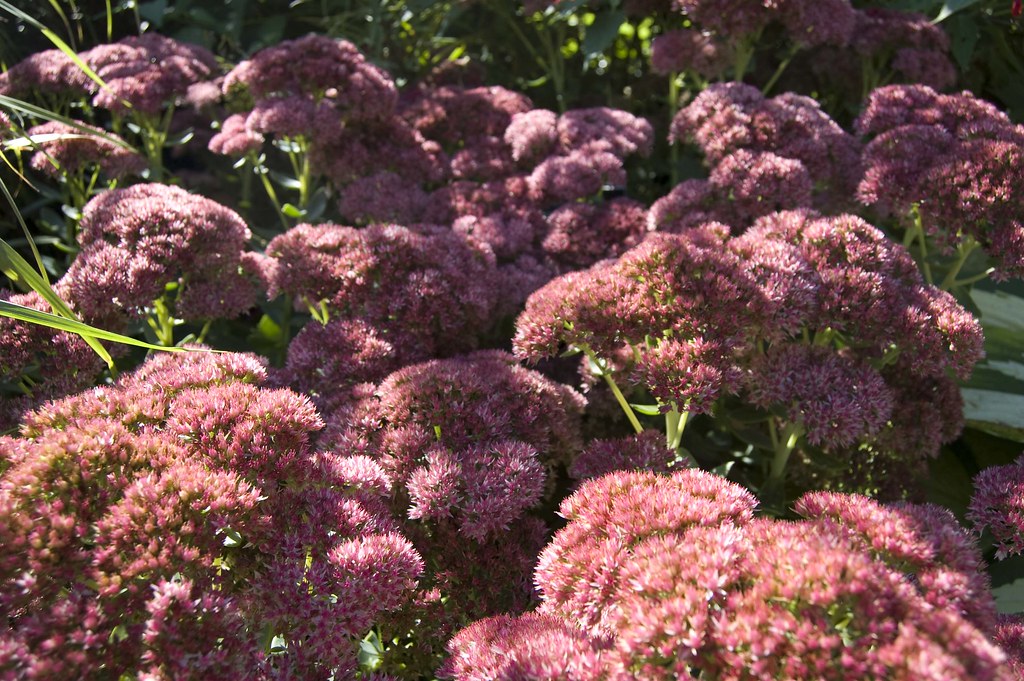
A good candidate for bergenias is a cultivar called Bergenia ‘Bressingham Ruby’. It has burgundy fall foliage and fares well in sun or shade. Pair it with a colorful sedge such as Carex oshimensis ‘Evergold’ for a striking container arrangement. If you are looking for some height in the container, Sedum ‘Autumn Fire’ is a slightly more compact version of the ubiquitous Sedum ‘Autumn Joy’, whose spent blooms remain standing for most of the winter for great late-season interest.
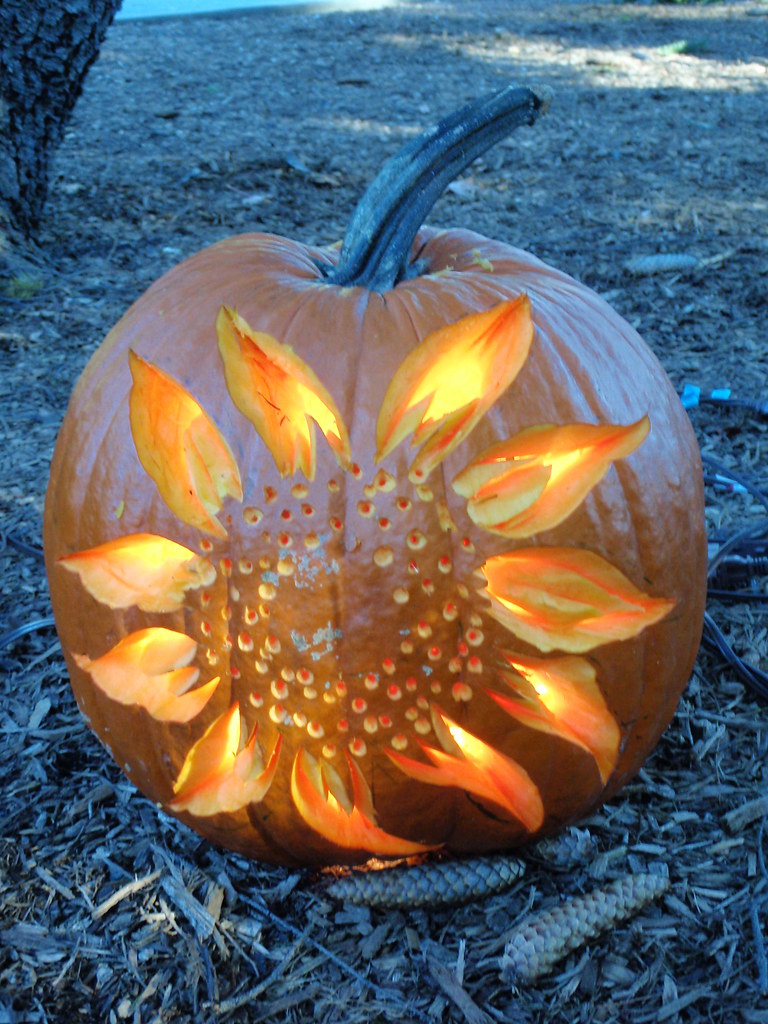
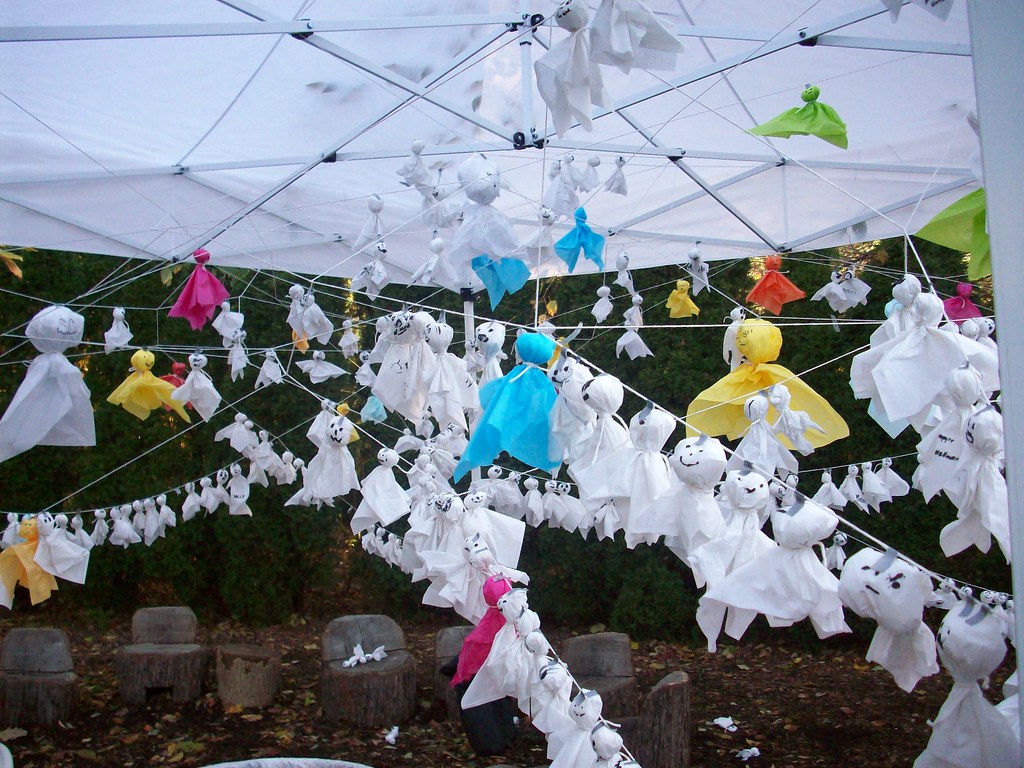
Last Sunday’s Halloween Hoorah at the Garden was a hit, as shown in these photos taken by Gayle Schmidt, Coordinator of Public Education. As children entered the Everett Children’s Adventure Garden, they turned a cotton ball and tissue into a ghost to hang in the Ghoulish Garden. And, of course, no Halloween celebration would be complete without a fancy jack-o-lantern, carved on the spot in the Benenson Ornamental Conifers.
Nick Leshi is Associate Director of Public Relations and Electronic Media.
Art fans, rejoice! Moore in America: Monumental Sculpture at The New York Botanical Garden , the largest outdoor exhibition of Henry Moore’s artwork ever presented in a single venue in the United States, is being extended through January 11, 2009.
The show, a collection of 20 major pieces, opened at the Botanical Garden on May 24, during the height of the spring flowering season. It garnered critical acclaim from the media and the public alike during the summer months. Now nearly all of these magnificent works by one of modern art’s greatest icons can be seen during fall and early winter, providing audiences with the chance to experience the sculpture for the first time or return again to witness them in contrasting seasons. The monumental pieces are positioned throughout the Garden’s 250 acres and among its 50 gardens and plant collections, complementing the historic landscape during nature’s changing cycles.
The extension of Moore in America through the holiday season guarantees that visitors to The New York Botanical Garden will be able to enjoy the outdoor sculpture while simultaneously experiencing the Garden’s other major exhibitions—Kiku: The Art of the Japanese Chrysanthemum through November 16, the Library gallery art exhibition The Chrysanthemum in Japanese Art through January 11, and the Holiday Train Show from November 23 through January 11. The Henry Moore Foundation, which is dedicated to furthering the understanding, appreciation, and enjoyment of Moore’s work, is co-curating Moore in America with the Garden.
If you still haven’t had the chance to see Moore in America, now is the perfect time. And if you’ve seen it already, now you have even more time to see it again with friends and loved ones, discovering anew the combination of Henry Moore’s fine sculpture and the spectacular Garden settings in changing seasons.
Here’s a video in which Educator Anabel Holland tells us a little more about a few of the sculpture.
Madeline Yanni is an instructor of Botanical Crafts in NYBG’s Continuing Education program.
With autumn and the holidays at hand, it’s an inspiring time to bring the outdoors inside by creating botanical centerpieces, topiaries, wreaths, gifts, and more. Handmade items can save you money and even time—I like to make crafts that, with some interchangeable elements such as candles or ribbons, can be used in more than one season.
The Continuing Education program offers a number of hands-on crafts courses to help you decorate your home with your own creations throughout the year, including this Saturday’s Holiday Crafts all-day program. Even if you’ve never done this before, don’t be inhibited. No experience is necessary. Come take a class or two.
I want to draw out your creativity and whet your appetite for this fun way to decorate with a step-by-step guide to creating a simple, inexpensive, wreath for your table. It can be changed from season to season and can also be used on your wall. It is made from a grapevine wreath adorned with parchment roses, seeded Eucalyptus, other botanicals, and pillar candles—materials available at a crafts store. Feel free to improvise and use other types of botanicals.
As with any crafts project, first read the instructions and collect the necessary materials.
Are you ready? Let’s begin!
See the materials checklist and detailed, step-by-step instructions for creating this seasonal holiday table wreath after the jump.
My fingerprints are all over this town, high and low, in all neighborhoods, including those with fancy addresses with sweeping views, luxury buildings, and hotels as well as low income housing project courtyards. A GreenStreets park I plant in my uptown neighborhood is a labor of love. New York is my city; my career is about enhancing its green beauty quotient and sustainable functioning.
NYBG’s Landscape Design Portfolio Lecture Series has served for me as an access ramp to the world of international design culture. The presentations of the past few seasons have offered a rich feast. Through a previous speaker, Fernando Caruncho, who was new to me, I found that some designs, such as his grids of olive trees and wheat field patterns, are best appreciated by helicopter—how exciting! This led me to view my own work in a fresh way, as strong patterns to view from afar.
Thus my perspective shifted on my work in general; I began to see my gardens as microcosms of the Big Picture of Garden Design and to approach the garden layout with new eyes.
It feels great to be making New York beautiful, garden by garden. I have designed so many, installed so many, and worked on, rejuvenated, or created so many from a wreck of a neglected courtyard, the back of a brownstone, a rooftop, or a terrace. I have reclaimed dreadful spaces and made them into havens, many with inspiration gained from the lecture series.
The Landscape Design Portfolio Lecture Series is a vital educational tool; the format is perfect, and Susan Cohen, coordinator of the Landscape Design Program, continues to choose exceptional speakers. The consistent high quality and world-class talent of the lineup makes the series a winner.
Mum Madness Sonia Uyterhoeven is Gardener for Public Education at The New York Botanical Garden.
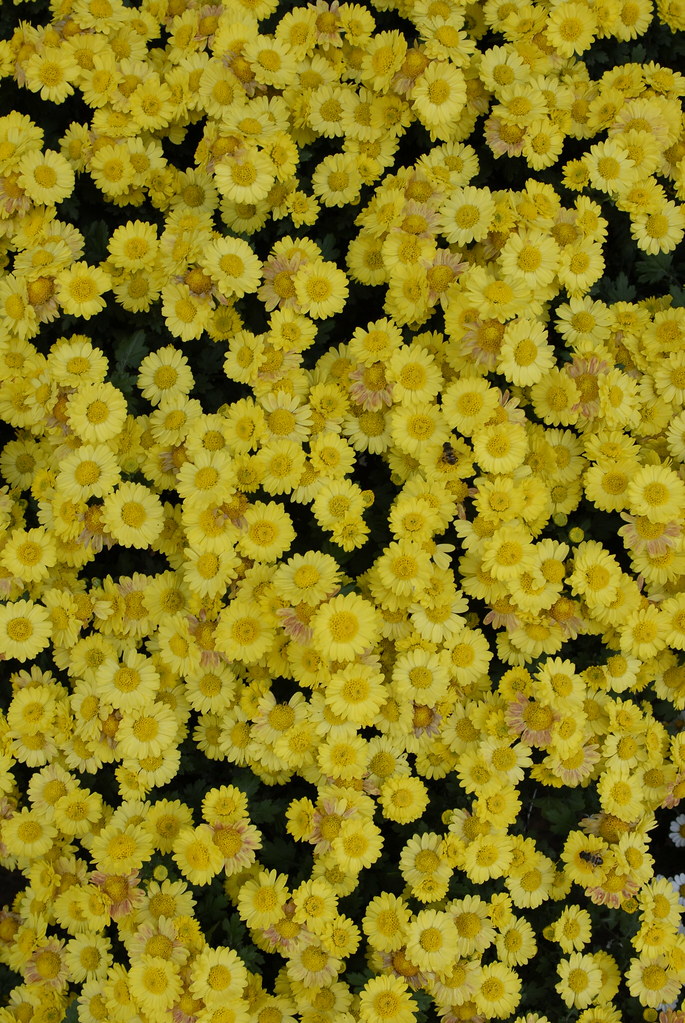
One of my favorite perennials in the garden is Chrysanthemum ‘Sheffield Pink’. It is dependable, requires very little care, and gets along beautifully with every perennial or shrub it encounters—bringing out the best in everyone.
In October, ‘Sheffield Pink’ is covered with pale apricot-pink daisy-like flowers. It combines wonderfully with Sedum ‘Matrona’, Aster tartaricus ‘Jin dai’, mophead hydrangeas such as Hydrangea ‘Preziosa’, and ornamental grasses.
In the Garden we have placed ‘Sheffield Pink’ in front of a Kousa dogwood (Cornus kousa) and a drift of Aster tartaricus ‘Jin dai’. As the season progresses, the foliage of the Kousa dogwood changes to a fiery red and picks up all the tints of red and pink in the ray petals of the chrysanthemum. The purple-blue of the aster adds a colorful edge to the design.
Migrating monarchs flock to ‘Sheffield Pink’ to be joined by bees for a late-season snack. I cut this mum back by half in mid-June to encourage good branching and to restrain its height so that I don’t have to go out and stake it once the stems are laden with flowers.

 Now that the trees are shedding their leaves, I’ve begun taking the weekly Bird Walk group through the Forest in hopes of seeing the resident great horned owls. Sure enough, a couple of weeks ago we discovered a large great horned owl (GHO) perched on a low branch.
 The polls have closed and the final results are in. Voters have made their choice. Time to announce the results of…our Kiku Poll!
 We’ve always wanted to salute the body of work of Ken Druse, one of our very best garden writers; so the upcoming release of his latest book, Planthropology, was all the trigger we needed to schedule