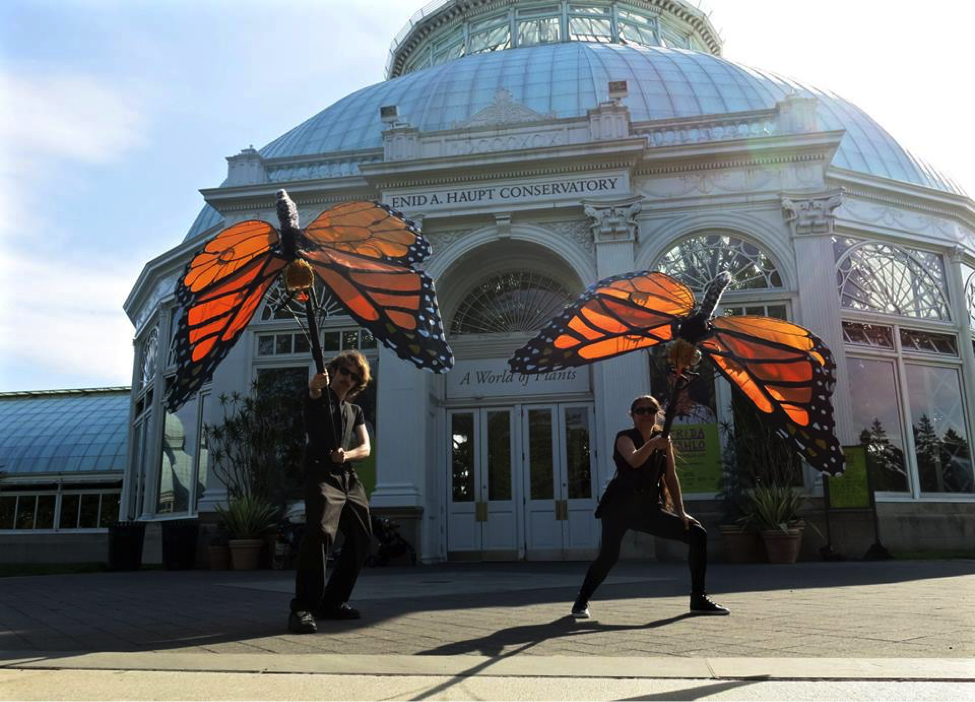
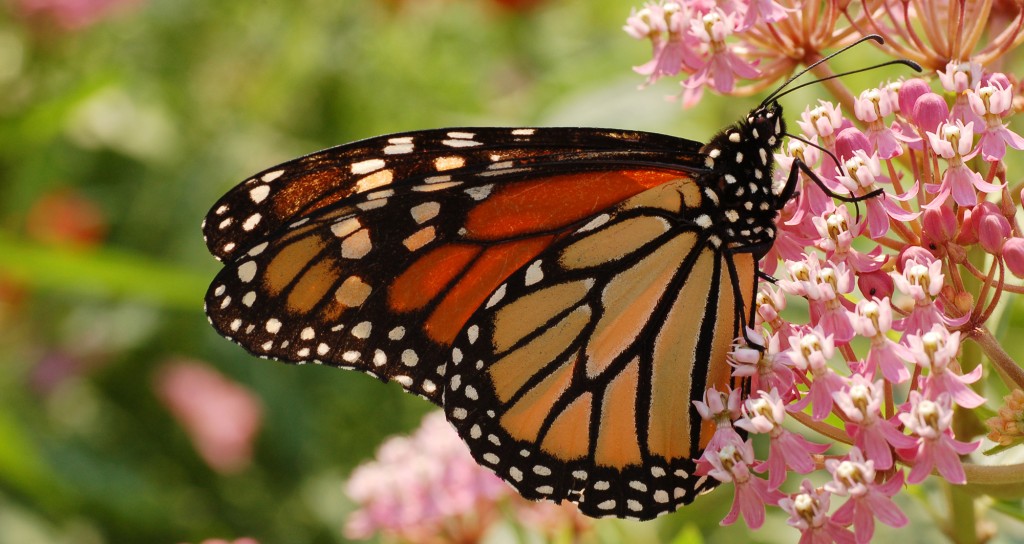
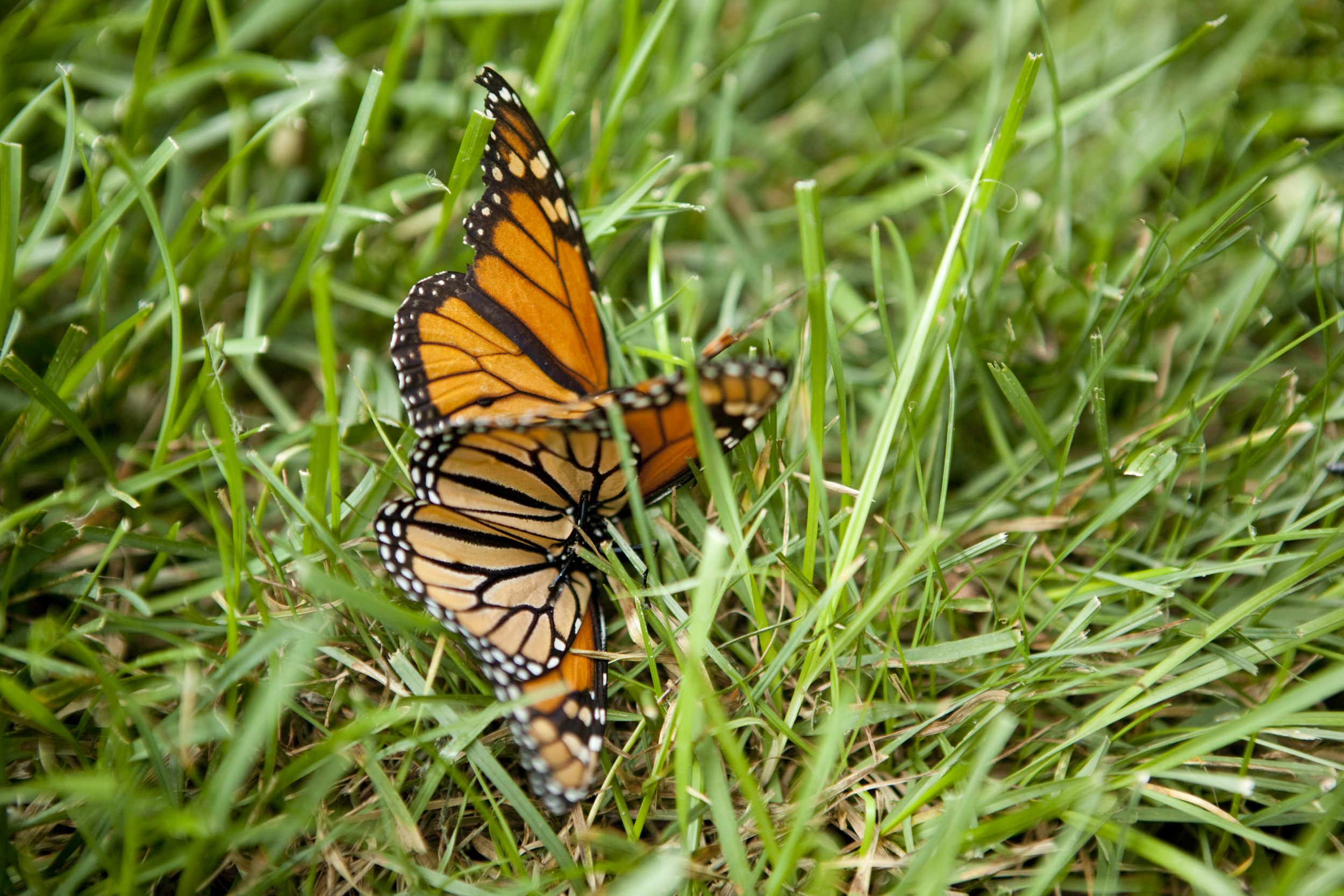
Monarch butterflies in action! (Photo Credit: Patricio Huerta)
Lucrecia Novoa is a Chilean-born artist and cultural educator who is physically as well as spiritually involved with her mask and puppet creations. With years of experience, Lucrecia dedicates herself to researching the historic inspirations for each puppet she creates in her Riverdale studio.
Lucrecia has joined NYBG during past exhibitions such as the Haunted Pumpkin Garden, when the Everett Children’s Adventure Garden was transformed into an enchanted land inhabited by magical creatures. For FRIDA KAHLO: Art, Garden, Life, she presents two giant monarch butterflies that introduce and welcome the exhibition.
It’s a tiny industry of flitting and buzzing that calls the Ruth Rea Howell Family Garden home late in summer, and you know we never miss out on a chance to celebrate something. Plus, pollinators are important! At some point, most of the fruits and vegetables that land on your plate benefit from the busy activities of these nectar-nursing bugs. That goes just as well for the edibles growing in the Family Garden.
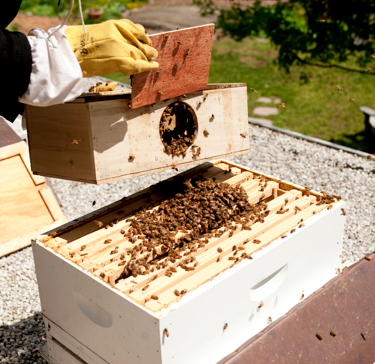
Bring the kids along and join us through October 11 to learn about these important insects, such as the honeybees coming and going from our rooftop apiaries, and the monarch butterflies making pitstops in the Garden on their way to Mexico for the winter. Our experts—often the same people who don those odd bee suits to retrieve our homegrown honey—will show you the inner workings of a beehive and offer samples from different nectar sources. In the meadow, you’ll find monarchs fueling up on nectar before taking to the skies for their marathon flight. And even if bugs aren’t your bag, there’s always a hands-on activity to dive into.
In any case, maybe our Family Garden queen bee, Annie Novak, can give you a better idea of what the pollinators are up to these days.
Joyce H. Newman holds a Certificate in Horticulture from The New York Botanical Garden and has been a Tour Guide for over seven years. She is the former editor of Consumer Reports GreenerChoices.org.
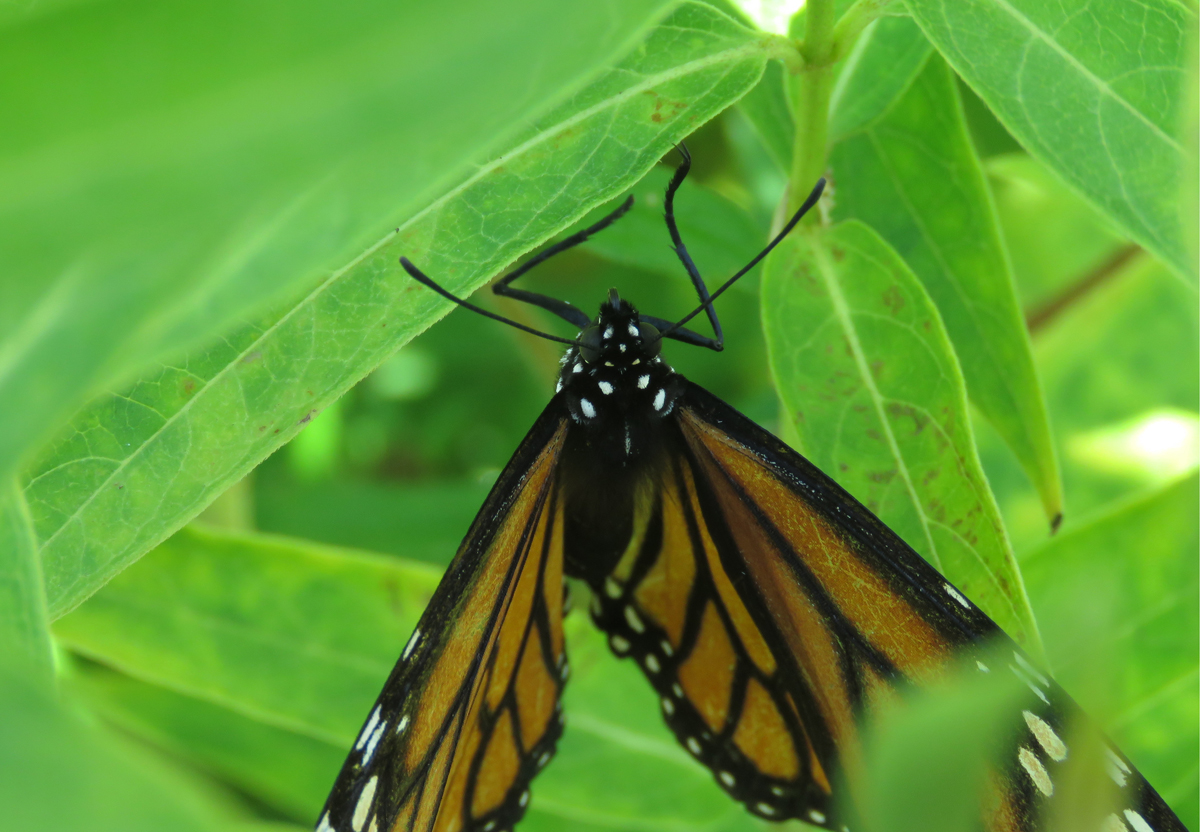
Monarch butterflies are among the most popular and prominent insects in the Native Plant Garden, easy to spot with their dramatically dark orange and black patterned wings. One reason for their high visibility and large numbers is actually their relationship with the tall milkweed plants, which are flowering now in the dry meadow. Without the milkweeds, we wouldn’t have the monarchs.
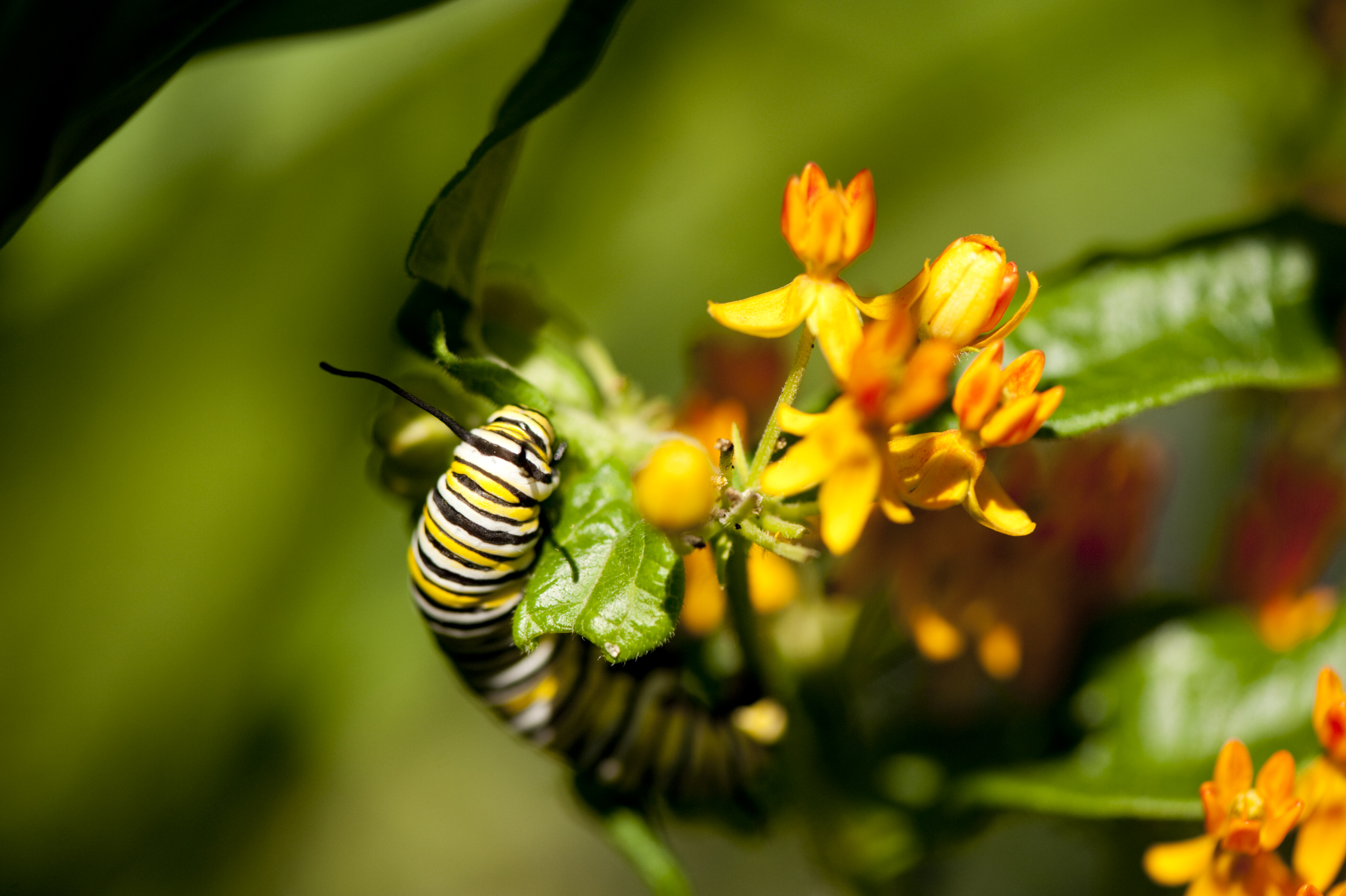
In fact, monarchs (Danaus plexippus) depend on milkweed throughout their entire life cycle—when they lay eggs and when their larvae, in caterpillar form, feed exclusively on milkweed.
Many different species of native milkweed provide nourishment for monarchs, including swamp milkweed, green, purple, redwing, whorled, and horney spider varieties. The dry meadow contains a total of more than 500 milkweed plants. Of these, by far the most numerous are the butterfly milkweed (Asclepias tuberosa).
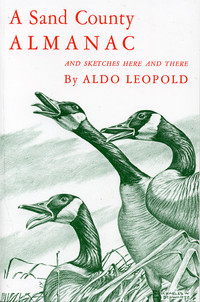
As a student in Botany at the University of Wisconsin in the early 1970s, I became aware of Aldo Leopold’s land ethic philosophy. In A Sand County Almanac he wrote:
“This sounds simple: do we not already sing our love for and obligation to the land of the free and the home of the brave? Yes, but just what and whom do we love? Certainly not the soil, which we are sending helter-skelter down river. Certainly not the waters, which we assume have no function except to turn turbines, float barges, and carry off sewage. Certainly not the plants, of which we exterminate whole communities without batting an eye. Certainly not the animals, of which we have already extirpated many of the largest and most beautiful species. A land ethic of course cannot prevent the alteration, management, and use of these ‘resources,’ but it does affirm their right to continued existence, and, at least in spots, their continued existence in a natural state. In short, a land ethic changes the role of Homo sapiens from conqueror of the land-community to plain member and citizen of it. It implies respect for his fellow-members, and also respect for the community as such.”
If you happen to stop by the Ruth Rea Howell Family Garden for “Pollinator Pals,” running now through October 5, you might be lucky to catch a few fluttering monarchs as they make their annual migration to Mexico. Despite what experience tells us, this flight is somewhat more challenging than eight hours spent in coach.