Brian M. Boom, Ph.D., is Vice President for Conservation Strategy at The New York Botanical Garden.
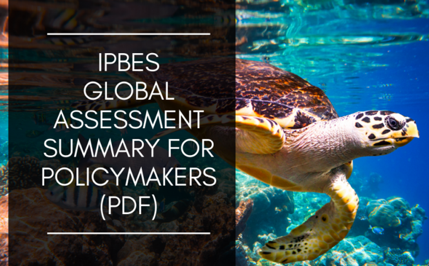
IPBES Global Assessment Summary for Policymakers, published May 6, 2019
Before this week, most readers probably had not heard of the Intergovernmental Science-Policy Platform on Biodiversity and Ecosystem Services (IPBES), but they certainly will know of its existence now. This United Nations group made major news this week, as reported in The New York Times, with publication of its first official report, the IPBES Global Assessment Summary for Policymakers. Among its major findings was that about one million plant and animal species are now threatened with extinction, many within decades, more than ever before in human history. The IPBES report makes an ironclad case for urgent global action to mitigate human-induced biodiversity loss before humanity crosses the fail-safe point.
The breathtakingly dire findings of the IPBES report were captured in the title and content of an analysis by Thomas E. Lovejoy, Ph.D., “Eden No More,” published in Science Advances this week. Dr. Lovejoy, an NYBG Trustee and Gold Medal recipient, elegantly explains what is meant by ecosystem services: “those charities of nature, both nebulous and tangible, that serve as the backbone of human well-being: food, fresh water, clean air, wood, fiber, genetic resources, and medicine.”
Scott A. Mori, Ph.D., is a Curator Emeritus at The New York Botanical Garden. He is a specialist in the Brazil nut family.
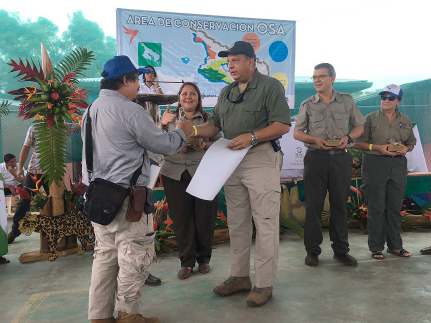
Reinaldo Aguilar (left) being recognized by Costa Rican President Luis Guillermo Solís for his inventory of the plants of the Osa Peninsula. Photo by Juan J. Jimenez.
In August, renowned botanist Reinaldo Aguilar was honored for his ongoing inventory of the plants of the Osa Peninsula, which juts into the Pacific Ocean in southwestern Costa Rica near the Panama
border. In a ceremony at Corcovado National Park on the peninsula, Costa Rican President Luis Guillermo Solís presented Reinaldo with an award and pointed out how important botanical inventories are for selecting and managing biological preserves on the Osa, a region of high biodiversity.
Reinaldo began documenting plant diversity on the Osa in 1991 and continues to explore for new and interesting plants. Since 2008, Reinaldo has been collaborating with the William and Lynda Steere Herbarium of The New York Botanical Garden and is the lead author of the Vascular Plants of the Osa Peninsula.
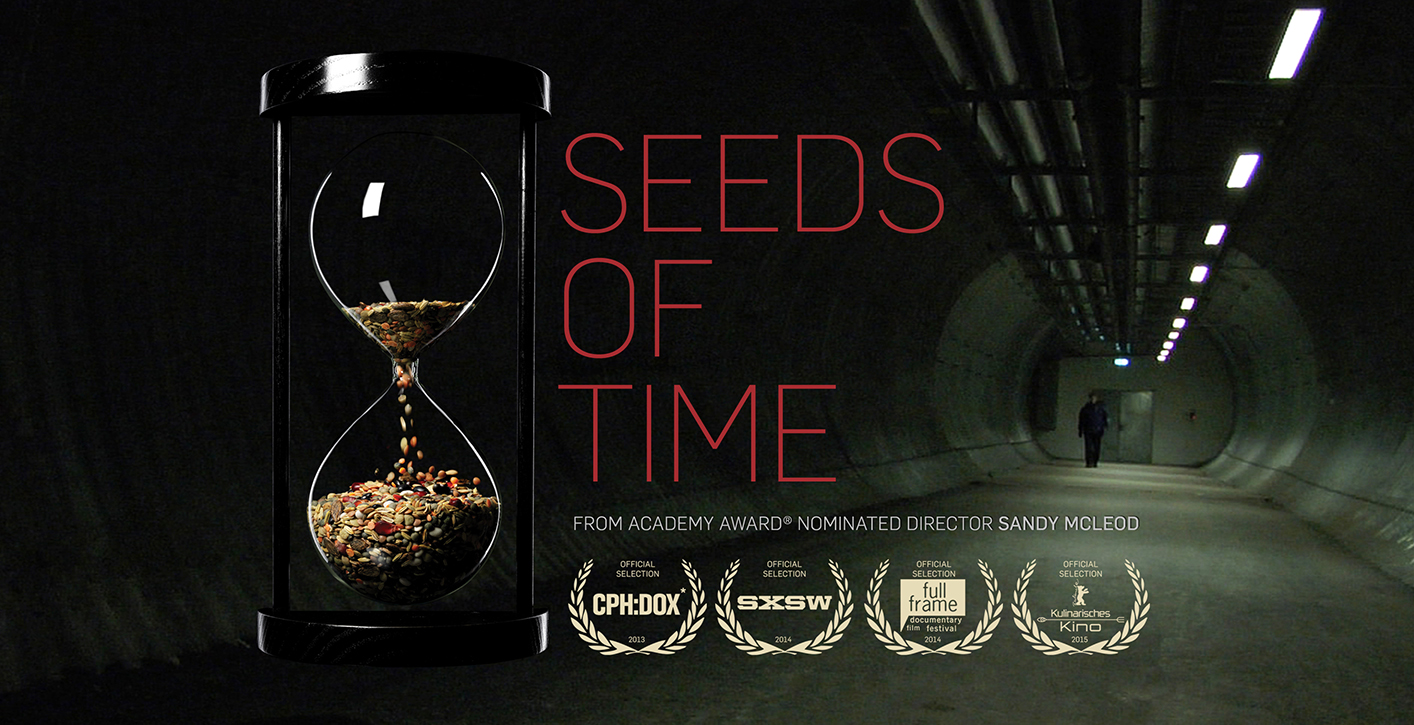
Nestled in the Norwegian Arctic, secure in an underground vault, rests one resource mankind cannot live without: seeds. The vault is a piece of a larger project of agricultural pioneer Cary Fowler in a passionate race against time to protect the future of our food supply, as captured in a documentary film Seeds of Time.
We sat down with Fowler in advance of our Earth Day screening of Seeds of Time to learn more about preserving biodiversity in agricultural crops and what filmgoers can do to help.
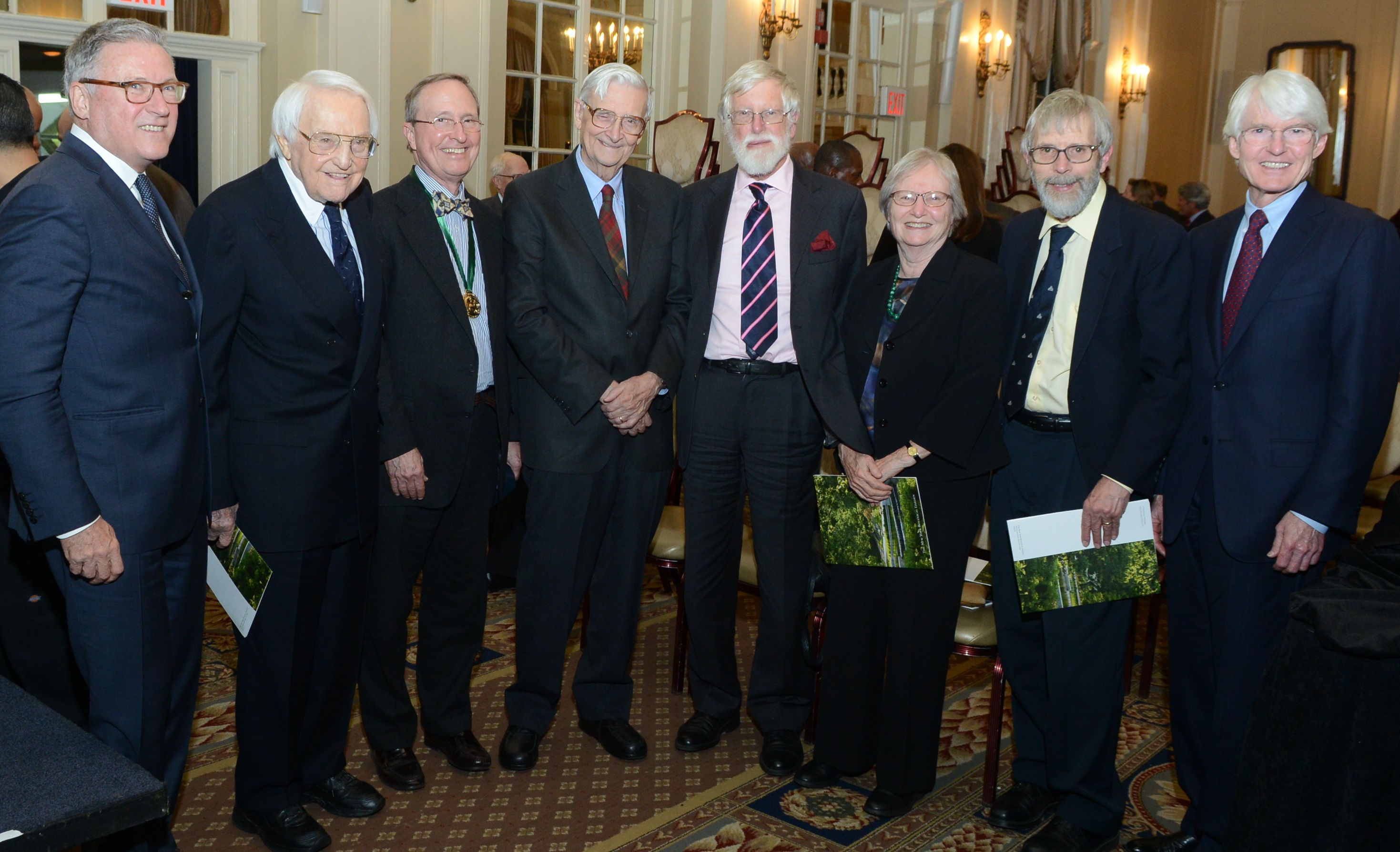
Left to Right: Gregory Long, Lewis Cullman, Thomas E. Lovejoy, Ph.D., E.O. Wilson, Ph.D., Sir Ghillean Prance FRS VMH, Patricia Holmgren, Ph.D., Noel Holmgren, Ph.D., and Ed Bass at the 123rd Annual Meeting.
This past November, some of the most influential botanists and conservationists in modern science gathered together for The New York Botanical Garden’s 123rd Annual Meeting, joining CEO and The William C. Steere Sr. President Gregory Long and the NYBG’s Board Members for a recap of the past year’s successes—as well as the Garden’s plans to come. But top billing during this event went to a person who has not only served as an integral member of the NYBG Board since 1986, but proven an enormously significant figure in global ecology initiatives and conservation efforts.
For many, the highlight of the evening was Thomas E. Lovejoy, Ph.D., who received the NYBG’s Gold Medal—our highest honor—for his accomplishments within and dedication to biodiversity and plant science.
Douglas C. Daly, Ph.D., is the Director of the Institute of Systematic Botany and the B. A. Krukoff Curator of Amazonian Botany at The New York Botanical Garden. Among his research activities, he is a specialist in the Burseraceae (frankincense and myrrh) family of plants. Read Part One and Part Two of this series for more information.
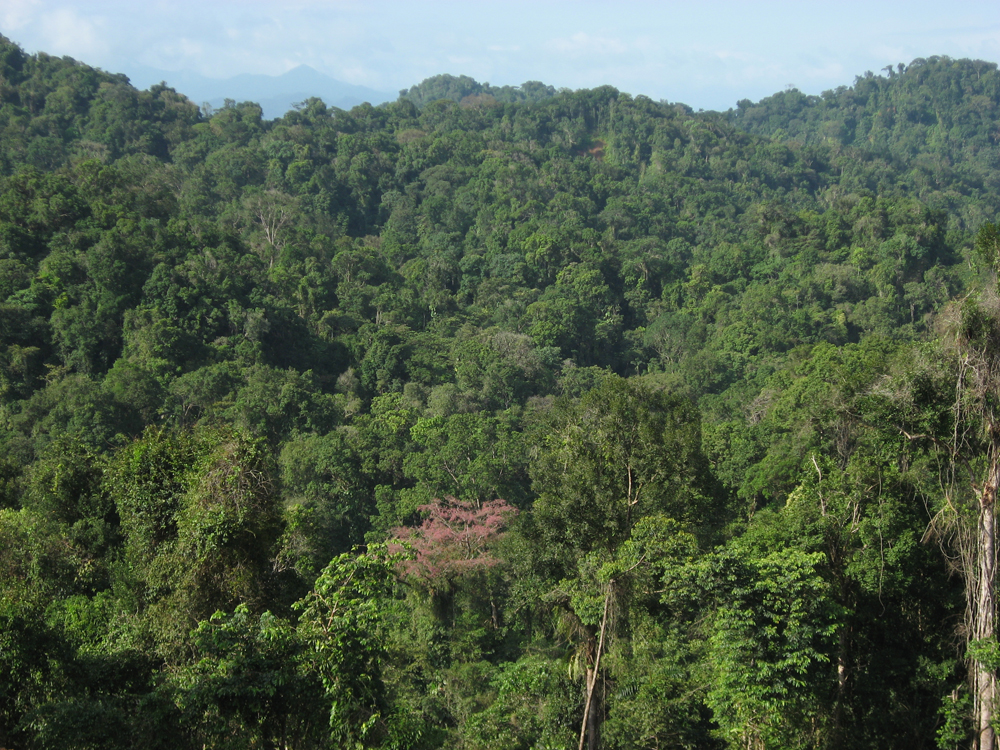
This Central American rain forest is one of only two places where Dacryodes patrona, a new tree species described by Dr. Daly, has been found.
In the first post in this series about the process of discovering and describing new plant species, I noted that the average lag time from when a new species is first collected in the field to when its name and description are published is a shocking 35 years. After publication, new species often languish in the herbarium and scientific journals, even if the information they represent has important conservation value. But sometimes we beat these odds by publishing new species in a relatively short time, and having the results makes a difference.
Douglas C. Daly, Ph.D., is the Director of the Institute of Systematic Botany and the B. A. Krukoff Curator of Amazonian Botany at The New York Botanical Garden. Among his research activities, he is a specialist in the Burseraceae (frankincense and myrrh) family of plants.
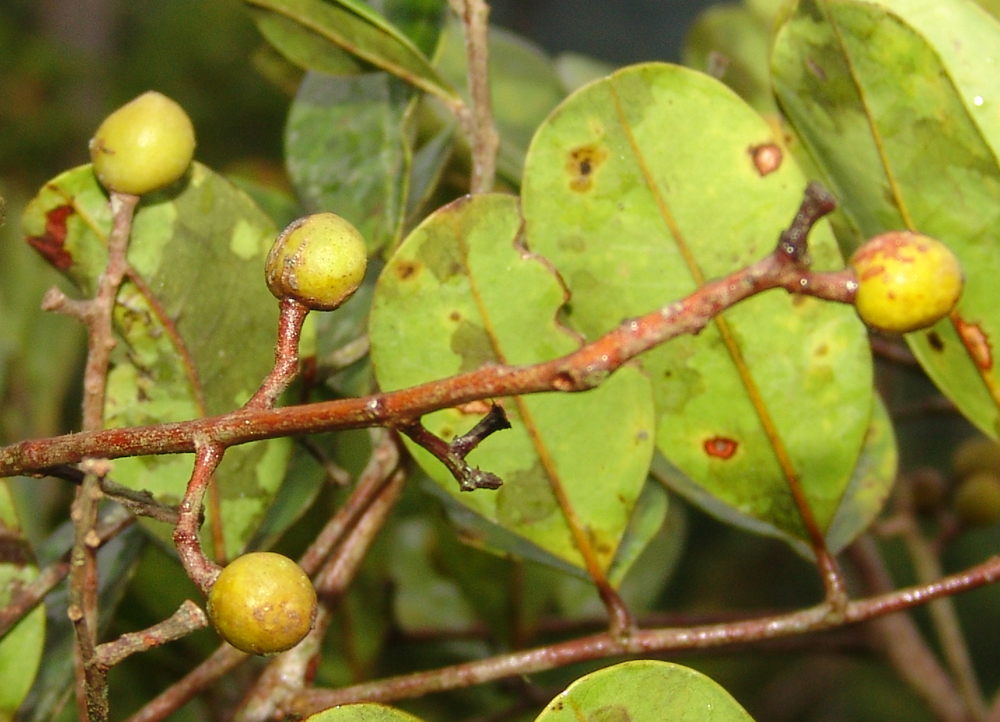
The oil-rich fruit of the newly described species Dacryodes urut-kunchae attracts many game animals. (Photo: David Neill)
When plant scientists discover new species—as I discussed in the first post of this series—their discovery is often an extremely rare plant, and frequently the specimens they see are incomplete. For example, there might be fruits but no flowers, and we have to search for more specimens or wait for other scientists to send us more examples before we can thoroughly describe and publish a species as new. But when a region is first explored botanically, sometimes we are amazed to find that a conspicuous member of the plant community has no name.
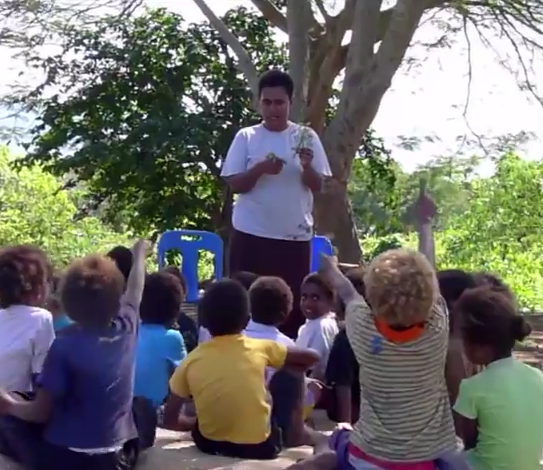
Of all the far-flung places that scientists from The New York Botanical Garden explore, one of the farthest in terms of distance and culture is Vanuatu, an island nation in the South Pacific with a population of about 225,000 people spread over 65 islands and speaking more than 113 indigenous languages.
With its remote location, Vanuatu is home to many plant species that are found only there, making it a treasure trove of biodiversity and an important source of materials for biologists to study. The residents rely on native plants for food, fuel, medicine, and more, but unlike some better-known Pacific islands, Vanuatu’s plant life and the traditional knowledge about how to use those plants have not been adequately studied.
Matthew Pace, an expert with the NYBG through 2011, is currently pursuing a Ph.D. in botany at the University of Wisconsin.
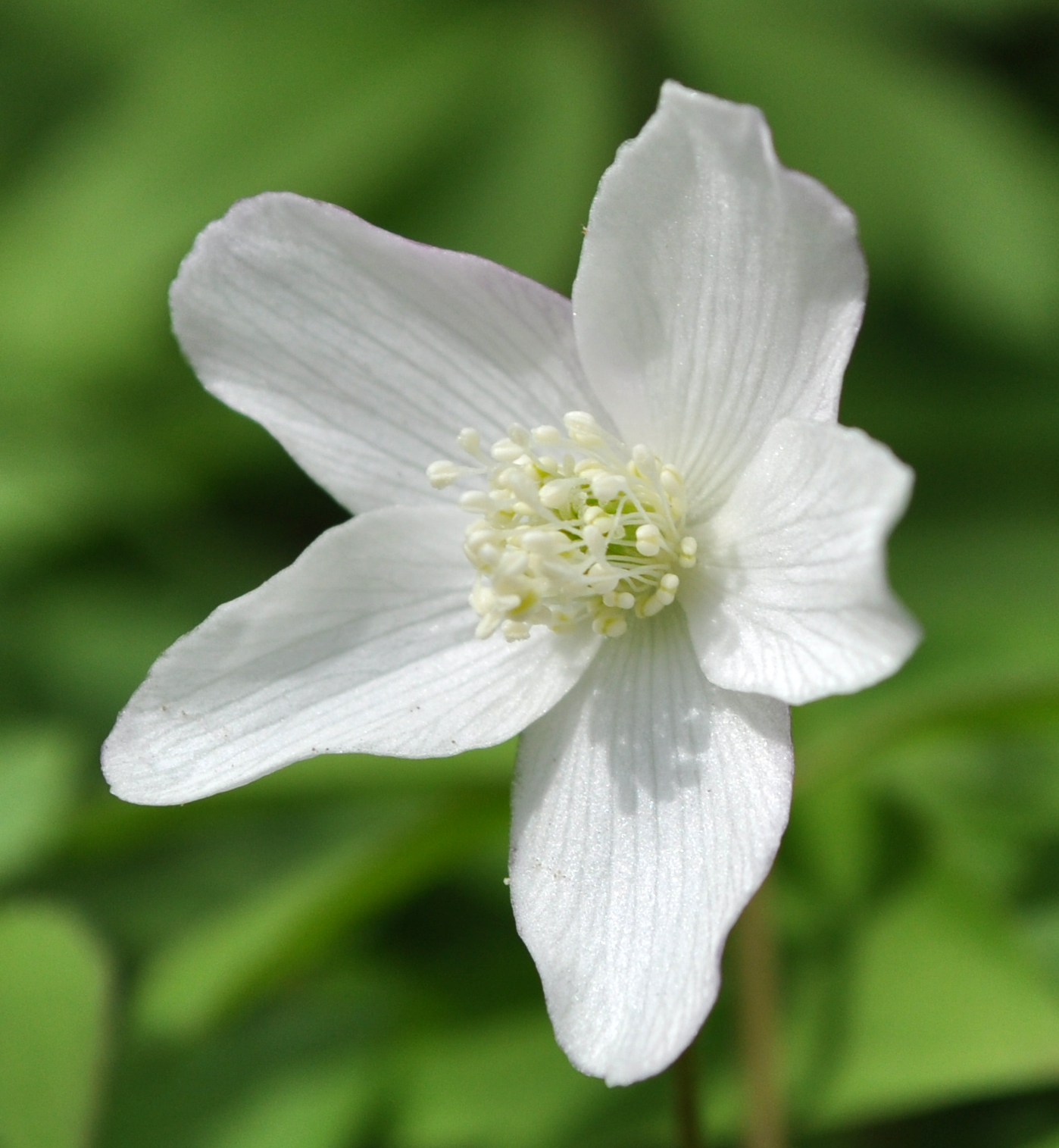
Anemone quinquefolia
The next time you’re outdoors, take a moment and look around. What plants do you see growing nearby? Have those species always been there? Might there be plants that once grew in that area but are no longer found there? How can we help to protect the plants that we find in a given area? These are questions that many botanists and horticulturalists think about and strive to understand every day. They are central to the issues of conservation and restoration–issues which are also central to the mission of The New York Botanical Garden.
A real-world example of these issues is the case of Anemone quinquefolia and the NYBG. Based on founder Nathaniel Lord Britton’s first list of species originally found on NYBG grounds; field work in the Forest; and herbarium work I had conducted (looking through hundreds of dried plant specimens of species found in the NYC metro-area), I thought Anemone quinquefolia was just one of the 100+ native plant species which have been extirpated since the founding of the Garden (“extirpated” is a word which describes species which were once found in a location, but are no longer found there, a.k.a. local extinction). The last herbarium collections of Anemone quinquefolia were from 1898. Little did I know that I was in for the surprise of the year!