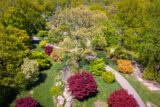
April Gardening Tips

Planning:
-
Choose planting areas based on exposure to sun, shade, wind and distance
from water source
-
Study garden for gaps that can be filled by spring flowering bulbs, and
order in August for best selection
-
Choose flowering trees and shrubs for color and time of bloom to add to
the garden in fall
Chores and Maintenance:
-
Continue to remove winter mulches and debris
-
Continue to dig beds in preparation for planting
-
Complete adding compost to planting bed soil
-
Place peony supports
-
Cultivate planting beds and carefully remove weeds
-
Remove mounded earth from roses
-
Prepare bare-root and potted roses for planting; soak overnight in fish
emulsion
-
Continue to apply horticultural oil sprays to control insect pests on trees
if temperature is over 40
-
Test lawn soil and apply lime if warranted
Planting:
-
Continue to plant deciduous and evergreen trees and shrubs, weather and
soil conditions permitting
-
Sow seeds of hardy annuals in place in the garden
-
Sow seeds of peas, carrots and radishes
-
Start seed indoors for summer crops
-
Plant out seedlings of cauliflower, cabbage and broccoli if soil is workable
-
Plant out seedlings of cool-season annuals like pansies and snapdragons
-
Continue to plant and transplant perennials
-
Complete rose planting
-
Plant strawberries
-
Re-seed bare lawn areas
Pruning/Fertilizing:
-
Complete removal of diseased, weak, or crossing branches
-
Complete rose pruning but wait until after flowering on climbers and ramblers
-
Prune late flowering shrubs such as buddleia and hydrangea
-
Prune early spring-flowering shrubs immediately after flowers die
-
Wait to prune evergreens, hedges and other shrubs until early summer
-
Fertilize fruit trees and roses
-
Fertilize perennials when you see 2-3" of new growth
-
Fertilize bulbs as they finish blooming
-
Complete lawn fertilization if not done in the fall
Indoors:
-
Continue to transplant houseplants which need repotting
-
Continue to inspect for pests and control as needed
- Complete shaping leggy houseplants

* These gardening tips are applicable
for the southeastern New York region - USDA Plant Hardiness Zones 6a and
6b which include New York City, northern New Jersey, Rockland county, Westchester
county, southern Connecticut and parts of Long Island. Plant hardiness
zones refer to geographic areas where the growing season of plants is determined
by the time of killing frosts in the spring and fall. If you live in a
more southerly plant hardiness zone, you can start gardening earlier in
the season or in more northerly zones, you can start later. Even within
zones, climatic factors such as altitude, proximity to water, wind exposure,
winter sun exposure and snow cover contribute to the existence of different
"microclimates" and can influence plant adaptability.
<< Back to Gardening Calendar
|