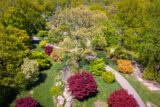
October Gardening Tips

Planning:
-
Assess areas in the garden which need additional planting
-
Continue to use garden notes and photographs to plan for future plantings
-
Prepare landscape sketches for next season
Chores and Maintenance:
-
If rain is lacking continue to thoroughly water trees, shrubs, planting
beds and lawn areas, especially evergreens
-
Compost fallen leaves and garden debris such as annuals and spent vegetable
plants
-
Continue to weed, weed, weed
-
Complete staking chrysanthemums, water and fertilize
-
Lift and store tender bulbs, i.e., cannas, dahlias and gladiolus after
first frost
-
Core aerate to reduce thatch on lawns
-
Mow lawns to 1½" height
-
Keep bird feeders filled
Planting:
-
Complete planting and transplanting broad-leaved and needle-leaved evergreens
before October 15, and water thoroughly
-
Plant and transplant deciduous trees and shrubs after leaf fall between
October 15 and December 1
-
Plant spinach and garlic
-
Plant ornamental cabbage and kale
-
Complete lifting and dividing iris, lily-of-the-valley and daylilies
-
Pot up parsley, chives and rosemary to grow indoors
-
Plant bare-root roses
-
Continue to plant spring-flowering bulbs; begin planting tulips before
month's end
-
Pot up amaryllis, tulips, and other prepared bulbs and store in a cool,
dark place until ready to force
Pruning/Fertilizing:
-
Complete pruning of rambler roses
-
Prune late-flowering shrubs and trees when dormant
-
Fertilize deciduous and evergreen shrubs
-
Fertilize lawn with 3-1-2 plant food
Indoors:
-
Bring in all houseplants before frost
- Hold off on fertilizing houseplants; resume in March

* These gardening tips are applicable
for the southeastern New York region - USDA Plant Hardiness Zones 6a and
6b which include New York City, northern New Jersey, Rockland county, Westchester
county, southern Connecticut and parts of Long Island. Plant hardiness
zones refer to geographic areas where the growing season of plants is determined
by the time of killing frosts in the spring and fall. If you live in a
more southerly plant hardiness zone, you can start gardening earlier in
the season or in more northerly zones, you can start later. Even within
zones, climatic factors such as altitude, proximity to water, wind exposure,
winter sun exposure and snow cover contribute to the existence of different
"microclimates" and can influence plant adaptability.
<< Back to Gardening Calendar
|