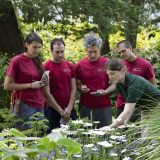
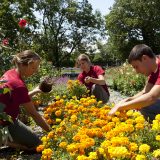
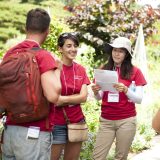
For over 90 years, the School of Professional Horticulture at the New York Botanical Garden has been training the world’s leading horticulturists. The School’s program is one of few around the world that combines top-notch academics with hands-on training, including plant walks, field trips, internships, and special lectures.
Working alongside the Garden’s Horticulture staff in the unique setting of New York City offers students an unparalleled horticultural education. Our students are in high demand for internships and full-time, year-round employment, boasting a 100% placement rate in horticulture careers for over 13 years! Alumni find exciting careers in public parks and gardens, landscape design/build firms, or private estates all over the world.
Mission & History
Begun in 1919 at The New York Botanical Garden as a horticulture vocational training program for returning war veterans, distinguished horticulturist Thomas H. Everett expanded the School into a professional gardener-training program in 1932. An alumnus of the Royal British botanical gardens, Kew, Everett modeled the School after the programs at British botanical gardens, which combined practical and academic work.
Today the School seeks to educate and train motivated individuals in a supportive environment to become horticulturists of the highest caliber equipped to succeed in green industry leadership positions in both public and private sectors. The School combines academic studies with hands-on practical training in a two-year, full-time program. Students learn the science of horticulture in the classroom and practice what they learn on Garden grounds. After successfully completing the program, students receive The New York Botanical Garden’s Diploma in Horticulture.