Meet the Designers
Discover the lauded contemporary designers bringing this year’s Orchid Show: Florals in Fashion to life with dramatic creations inspired by this diverse and colorful flowering plant.

February 17–April 22, 2024
This exhibition is now closed.
Strike a pose! The Orchid Show brings the catwalk to the Enid A. Haupt Conservatory in a fashion-inspired celebration of all things orchids—and we want YOU at the center of the sartorial experience. Catch the bold new designs of New York’s rising stars of the stitch with work by Collina Strada by Hillary Taymour, Dauphinette by Olivia Cheng, and FLWR PSTL by Kristen Alpaugh, fashionistas who have created dramatic, picture-perfect floral displays at the Garden that always capture the orchid’s good side. This is your chance to “walk the runway” and show off your own personal flair, your love for orchids, and your fashion-forward connections to the natural world. Because florals are always en vogue at NYBG.
Get a glimpse of The Orchid Show: Florals in Fashion, and the inspired creations dreamed up by our visiting fashion designers.
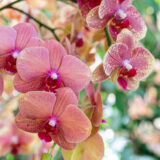
Discover the lauded contemporary designers bringing this year’s Orchid Show: Florals in Fashion to life with dramatic creations inspired by this diverse and colorful flowering plant.

March 30 & April 5, 6, 12, 13, 19, & 20, 2024
7–10 p.m.
Join us as New York City’s most spectacular after-dark outings return to enjoy signature cocktails and live dance performances.

On Member Days, Members can take advantage of exclusive benefits including free parking, 20% off at NYBG Shop, 15% off dining, and up to 4 half-price tickets for guests.

Want to explore the world of orchid design for yourself—and try your hand at the art form with guidance from expert instructors? Check out our all-new addition to NYBG’s Continuing Education offerings, with online classes you can take part in anytime, anywhere.