Who We Are
About NYBG
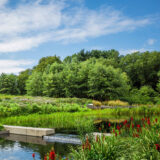
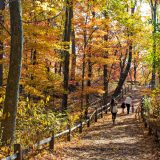
The New York Botanical Garden has been a connective hub among people, plants, and the planet since 1891. We’re rooted in the cultural fabric of New York City, here in the heart of the Bronx—its greenest borough. For more than 130 years, we’ve invited millions of visitors to make the Garden a part of their lives, exploring the joy, beauty, and respite of nature. NYBG’s 250 acres are home to renowned exhibitions, immersive botanical experiences, art and music, and events with some of the most influential figures in plant and fungal science, horticulture, and the humanities. We’re also stewards of globally significant research collections, from the LuEsther T. Mertz Library collection to the plant and fungal specimens in the William and Lynda Steere Herbarium, the largest such collection in the Western Hemisphere.
At NYBG, we’re plant people—dedicated horticulturists, enthusiastic educators, and scientific adventurers—committed to helping nature thrive so that humanity can thrive. We believe in our ability to make things better, teaching tens of thousands of kids and families each year about the importance of safeguarding our environment and healthy eating. Our expert scientists work across the city, the nation, and the globe to document the plants and fungi of our world—and find actionable, nature-based solutions to our planet’s dual climate and biodiversity crises. And our eyes are always looking forward as we train the next generation of botanists, gardeners, landscape designers, and environmental stewards, ensuring a green future for all. At NYBG, we know that it’s nature—or nowhere.
Mission Statement
The New York Botanical Garden is an advocate for the plant world. The Garden pursues its mission through its role as a museum of living plant collections arranged in gardens and landscapes across its National Historic Landmark site; through its comprehensive education programs in horticulture and plant science; and through the wide-ranging research programs of the International Plant Science Center.