Cultivating Botanical Connections in Yunnan, China
Emma Grover is the Project Manager of the Nurturing Nature Initiative, a global effort led by NYBG to advance ecosystem restoration and climate resilience through the unique strengths of botanical gardens.
Reflections from the Annual Meeting of the Association for Tropical Biology and Conservation (ATBC) and Xishuangbanna Tropical Botanical Garden (XTBG)
-
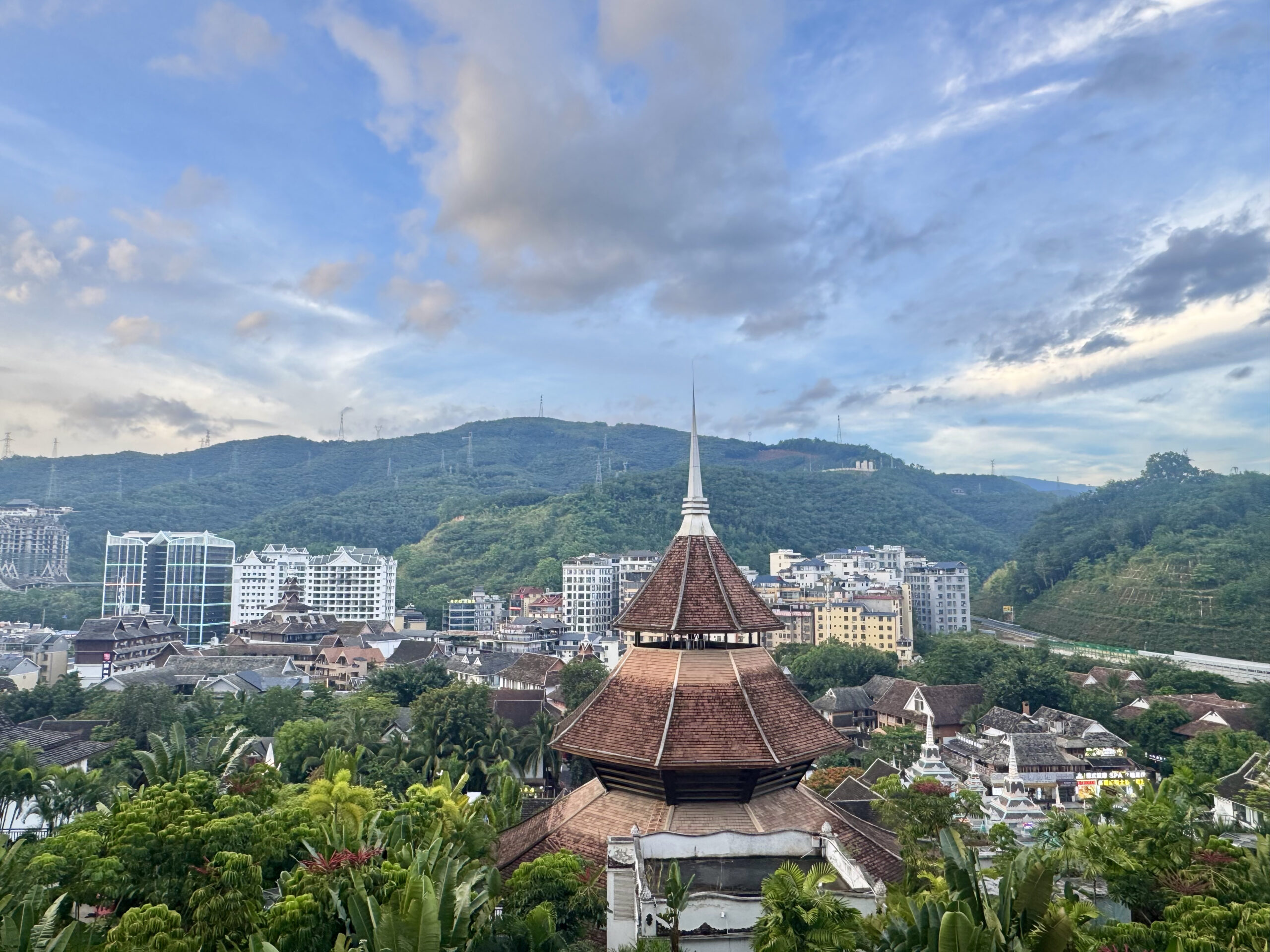
- View of Jinghong from the ATBC conference venue, highlighting the city's integration with the surrounding tropical landscape. (1/2)
-
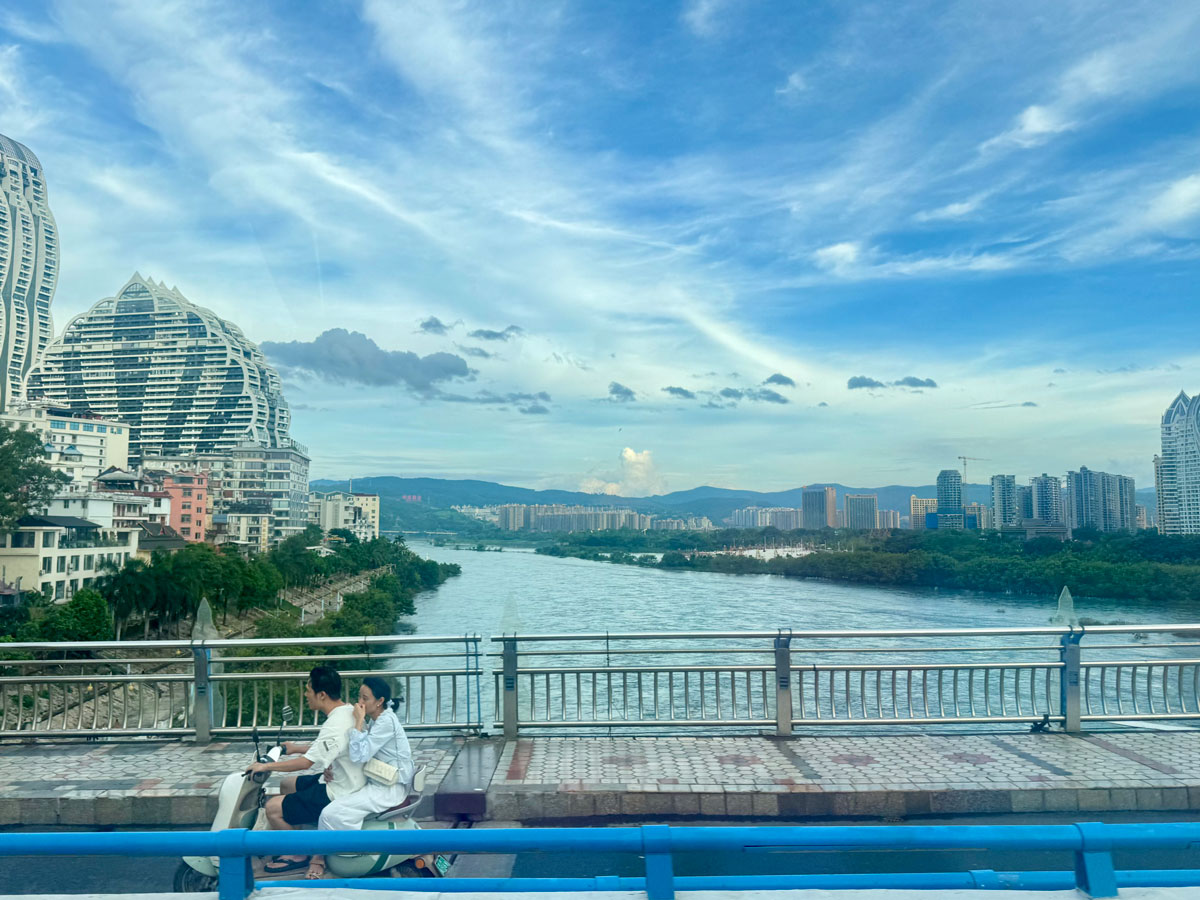
- The Mekong River flowing through Jinghong, a defining feature of the Xishuangbanna landscape. (2/2)
This summer, NYBG’s Nurturing Nature team and members of the initiative’s Advisory Group traveled to the Xishuangbanna Dai Autonomous Prefecture in southern China for a week of scientific exchange, collaboration, and planning. Set along the banks of the Mekong River and home to one of Asia’s most biologically rich tropical forest landscapes, Xishuangbanna provided an inspiring setting for conversations about ecological restoration, climate resilience, and the unique role botanical gardens can play in addressing global environmental challenges.
Dr. Mauricio Diazgranados, Dr. Eric Sanderson, and I represented the New York Botanical Garden throughout the trip. The week began at the 62nd Annual Meeting of the Association for Tropical Biology and Conservation (ATBC), where the Nurturing Nature Initiative hosted a symposium titled Botanical Gardens as Catalysts for Ecological Restoration in the Tropics. The session brought together leaders from across the botanical garden, restoration, and conservation communities, including Tiziana Ulian of the University of Turin and the Royal Botanic Gardens, Kew, Laura Toro of the Missouri Botanical Garden, and Miguel Calmon of Conservation International Brazil.
-
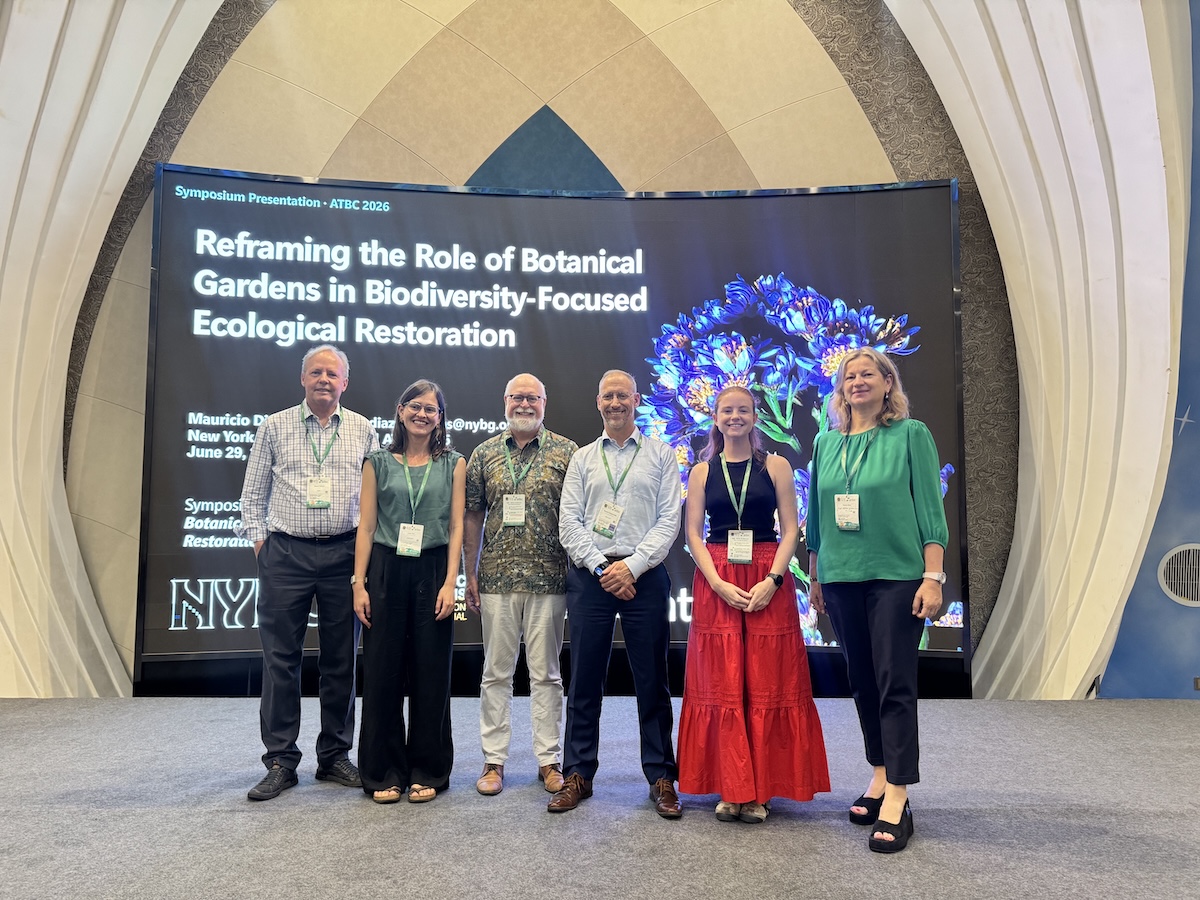
- Speakers gather before the Nurturing Nature Initiative symposium, "Botanical Gardens as Catalysts for Ecological Restoration in the Tropics," at the 2026 Association for Tropical Biology and Conservation Annual Meeting. (1/2)
-
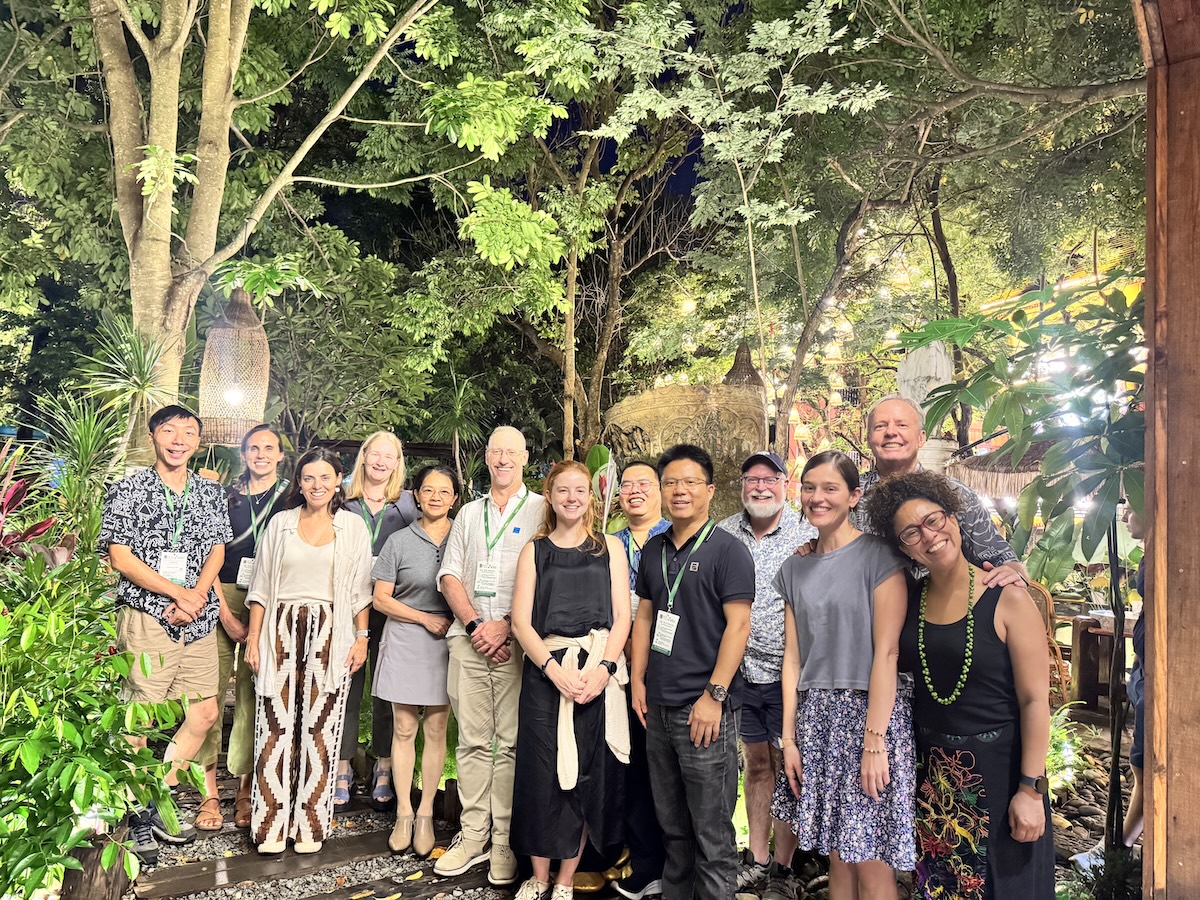
- The New York Botanical Garden hosted a dinner with botanical garden colleagues attending ATBC, providing an opportunity to strengthen relationships, exchange ideas, and build new collaborations. (2/2)
Together, the speakers explored how botanical gardens are uniquely positioned to bridge scientific research and restoration practice. By generating knowledge, building capacity, conserving biodiversity, and engaging local communities, botanical gardens help transform scientific innovation into meaningful action on the ground. Presenting at one of the world’s largest gatherings of tropical biologists also provided an opportunity to engage with researchers and practitioners, gather valuable feedback, and strengthen the Initiative’s growing network of collaborators, including through an NYBG-hosted group dinner with other attendees from botanical gardens around the globe.
Following the conference, the team traveled to the Xishuangbanna Tropical Botanical Garden (XTBG), where they convened the Nurturing Nature Initiative’s Climate Resilience Advisory Group alongside colleagues and experts from botanical gardens across China. Participants represented botanical gardens, universities, nongovernmental organizations, and research institutions from five countries, reflecting one of the Initiative’s central goals: creating connections among people and institutions that can accelerate ecological restoration at scale.
-
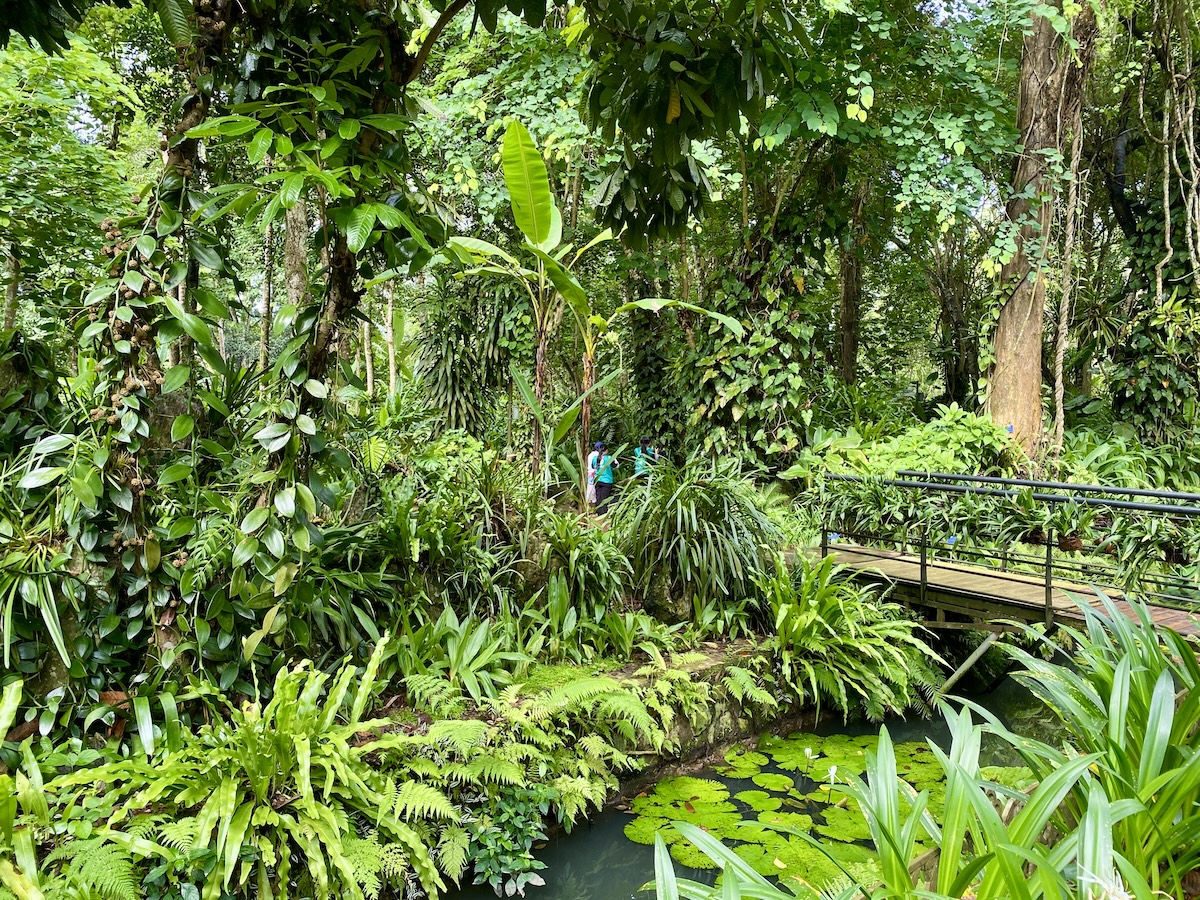
- Tropical plant diversity at the Xishuangbanna Tropical Botanical Garden, one of the world's leading centers for tropical botanical research and conservation. (1/3)
-
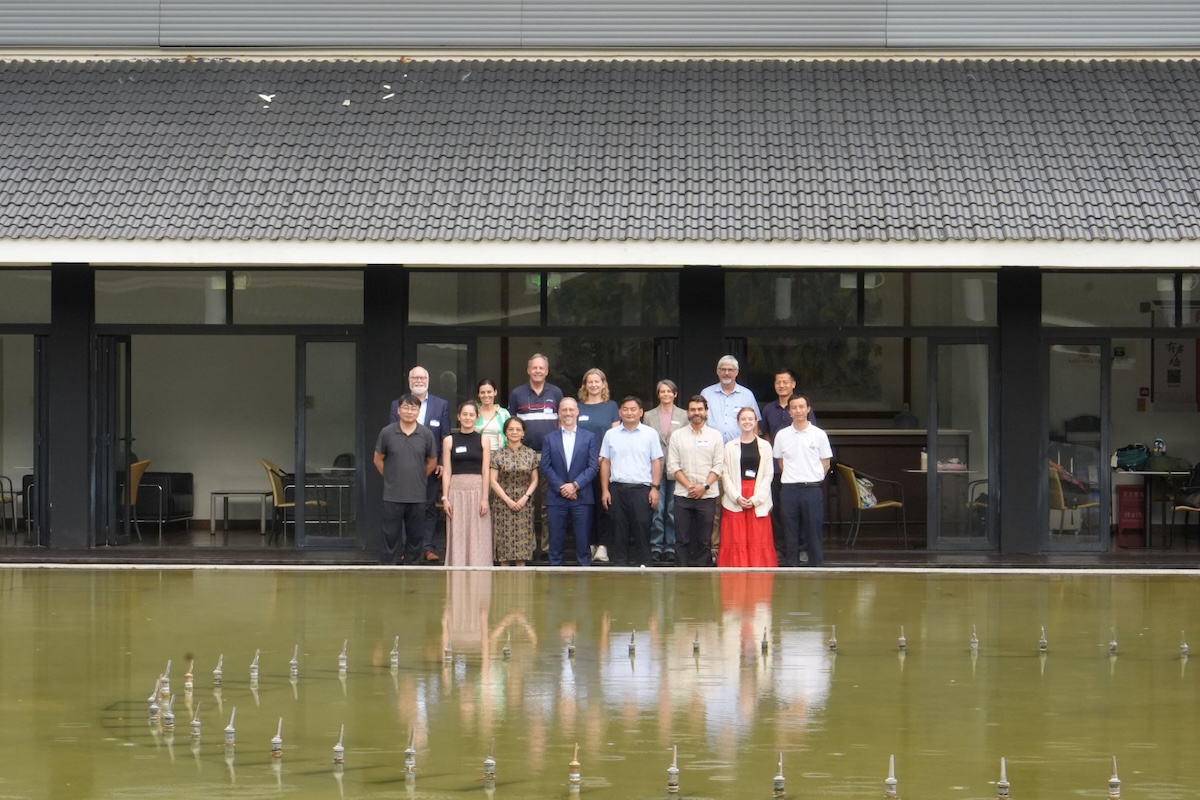
- Workshop participants and colleagues from XTBG gathered at the XTBG Science Complex during the Nurturing Nature Initiative Climate Resilience Workshop. (2/3)
-
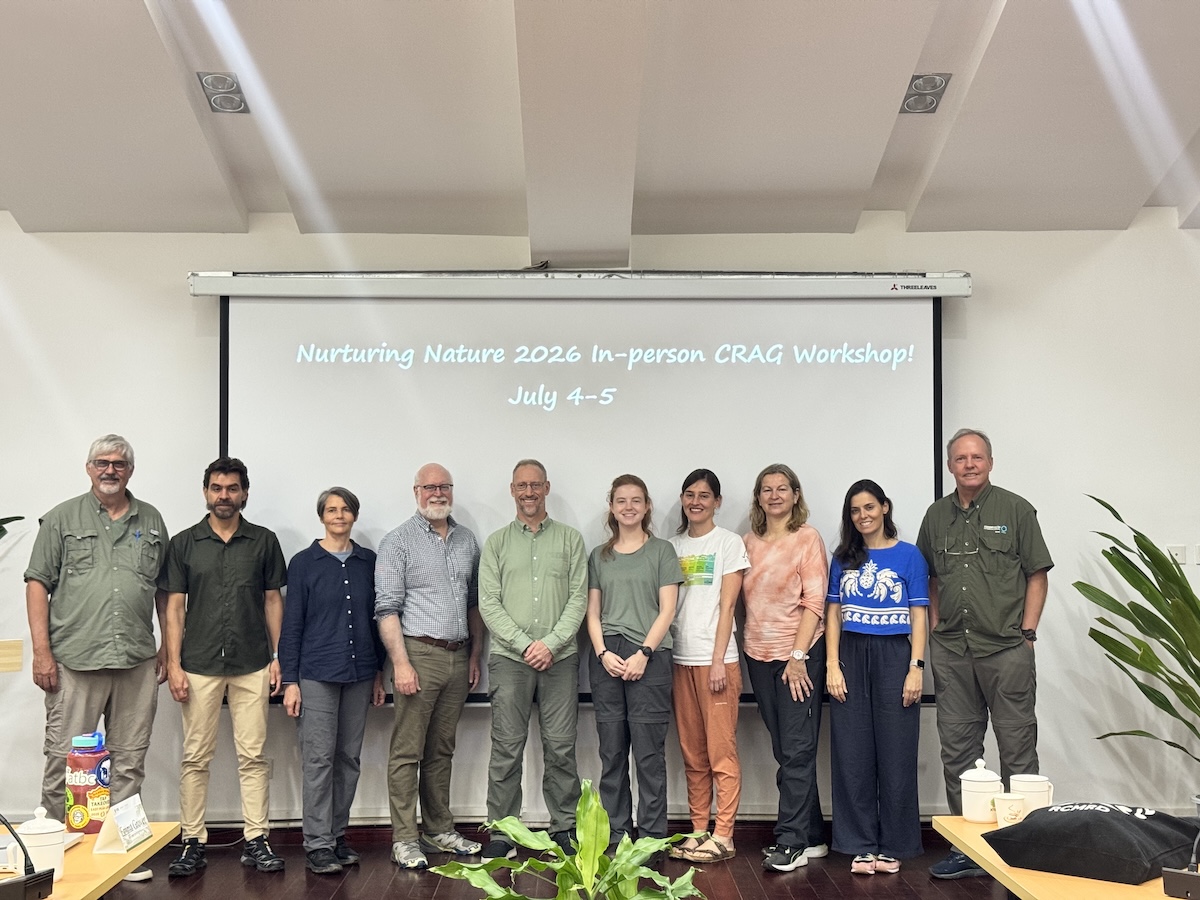
- Participants at the conclusion of the Nurturing Nature Initiative workshop after two days of collaborative discussion, planning, and knowledge exchange. (3/3)
The workshop brought together Advisory Group members Miguel Calmon of Conservation International Brazil, Laura Toro of the Missouri Botanical Garden, Tiziana Ulian of the University of Turin and the Royal Botanic Gardens, Kew, Wilson Ramirez of the Humboldt Institute, Suzanne Prober of the Commonwealth Scientific and Industrial Research Organisation, and George Gann of the Society for Ecological Restoration, along with Fernanda Cardoso of Kadoorie Farm and Botanic Garden in Hong Kong and Xiangying Wen of Botanic Gardens Conservation International China. During our visit, we also had the opportunity to meet with XTBG leadership and researchers, including Yaowu Xing, Director of XTBG; Liang Song, Principal Investigator of the Plant Adaptation and Ecological Restoration Group; Wenbin Yu of the Plant Diversity Evolution and Ex Situ Conservation Group; and Hui Chen, Director of the Office of Science and Technology and International Cooperation. These conversations have laid a strong foundation for future collaboration.
The workshop marked an important milestone for the Initiative. Participants worked together to refine the Climate Resilience Action Plan while identifying priorities for Phase 2 of the project. Discussions focused on moving from strategic planning toward implementation and identifying the distinctive contributions botanical gardens can make within the broader restoration community. Participants also explored ways to strengthen long term partnerships, support project sustainability, engage more effectively with policy at local, national, and global levels, and ensure that restoration efforts remain scientifically rigorous while responding to the needs, priorities, and knowledge of local communities. These conversations are helping shape a practical roadmap for translating the Initiative’s vision into tangible restoration outcomes.
-
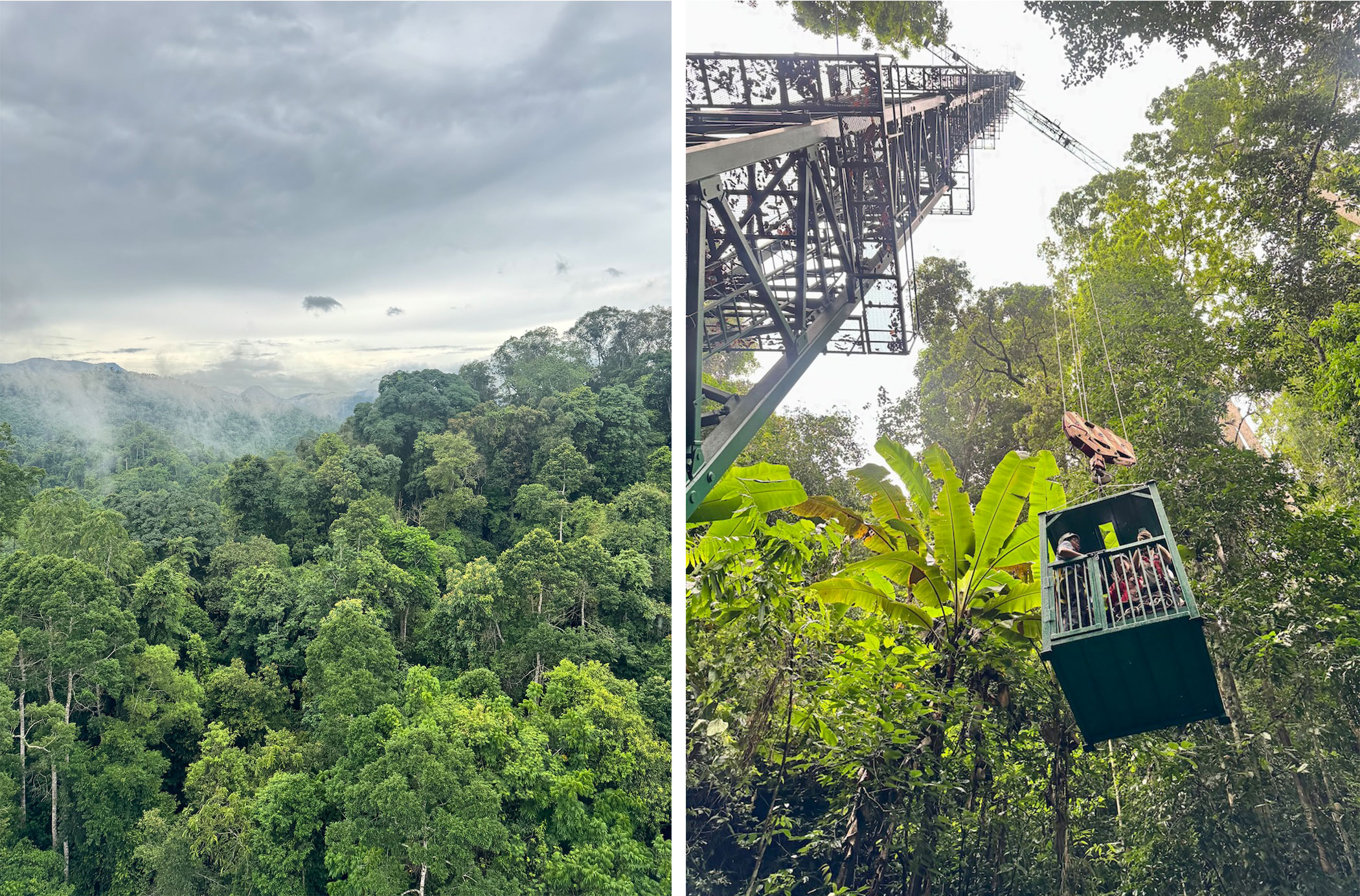
- Workshop participants ascended the canopy crane at Bubeng Field Station for a unique perspective on the structure and diversity of the tropical rainforest canopy.
The week also highlighted the importance of learning directly from the landscapes that restoration efforts seek to support. Participants visited the Bubeng Field Station, where they experienced one of the region’s remarkable, remaining tropical forests from the tallest canopy crane in the world. Looking across the forest canopy offered a powerful perspective on the scale, complexity, and interconnectedness of these ecosystems. The visit underscored the value of long-term ecological research and reinforced an important lesson: successful restoration depends not only on careful planning and sound science, but also on collaboration with local communities and experts whose knowledge has shaped these landscapes for generations.
From engaging with the international scientific community at ATBC to strengthening partnerships and charting the next phase of the Initiative at XTBG, the trip demonstrated the power of collaboration across institutions, disciplines, and countries. As the Nurturing Nature Initiative moves forward, the relationships strengthened and ideas exchanged in Xishuangbanna will help shape future efforts to mobilize botanical gardens as leaders in ecological restoration and climate resilience around the world.
SUBSCRIBE
Enter your email address to subscribe to this blog and receive updates on new posts.