Two Urban Rivers, One Shared Commitment
Génesis Abreu is the Director of Urban Conservation Partnerships and Luis Calzadilla is the Senior Director of External Relationships and Engagement at the New York Botanical Garden.
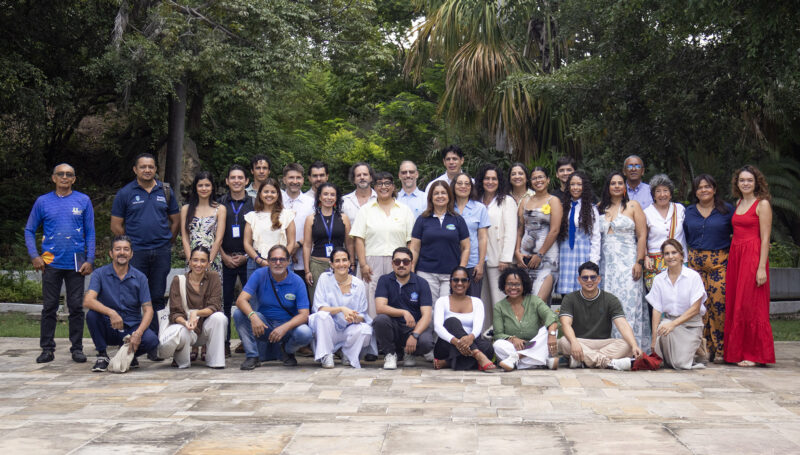
Participants in the Technical Exchange gather at the Jardín Botánico Quinta de San Pedro Alejandrino (JBQSPA) in Santa Marta, Colombia. They represent scientific, academic, governmental, and community organizations in Santa Marta and across Colombia, along with colleagues from NYBG and CAF.
How can botanical gardens care for the rivers that flow through their grounds and build the partnerships that sustain river restoration at a watershed scale?
The Bronx River flows through our grounds at the New York Botanical Garden (NYBG). The Río Manzanares flows through the Jardín Botánico Quinta de San Pedro Alejandrino (JBQSPA) in Santa Marta, Colombia. Each river connects its garden to a wider landscape and to communities upstream and downstream. At NYBG, our care for the one-mile stretch of the river brings together research, restoration, and education in the 50-acre Thain Family Forest. We also collaborate with partners to restore riparian forests at priority sites in the Bronx and Westchester County. JBQSPA, meanwhile, is building a network of partners committed to reviving a river that has long been neglected, connecting the conservation of its 15-hectare (about 37-acre) tropical dry forest with a growing vision for restoring the Río Manzanares.
Through our technical cooperation with CAF, the Development Bank of Latin America and the Caribbean, we are supporting JBQSPA’s institutional development and its leadership as a convener of cross-sector partners dedicated to the health and resilience of the Río Manzanares and the region’s tropical dry forest. That leadership begins at home: a two-kilometer (about 1.2-mile) stretch of the Río Manzanares flows through the garden’s grounds. By stewarding it, JBQSPA can care for the river directly and make it a living example of restoration, where research, conservation, and environmental education come together. Caring for this stretch also gives the garden a place to bring together residents, schools, institutions, and other stakeholders from across Santa Marta, and to inspire shared action to restore the Río Manzanares.
An important milestone in that cooperation came October 13 through 16, 2026, when our two gardens met in Santa Marta for the Technical Exchange “Interinstitutional Collaboration for the Strengthening of the JBQSPA and the Restoration of the Manzanares River.”
How can botanical gardens care for the rivers that flow through their grounds and build the partnerships that sustain river restoration at a watershed scale? This became a central question of the exchange.
-
-
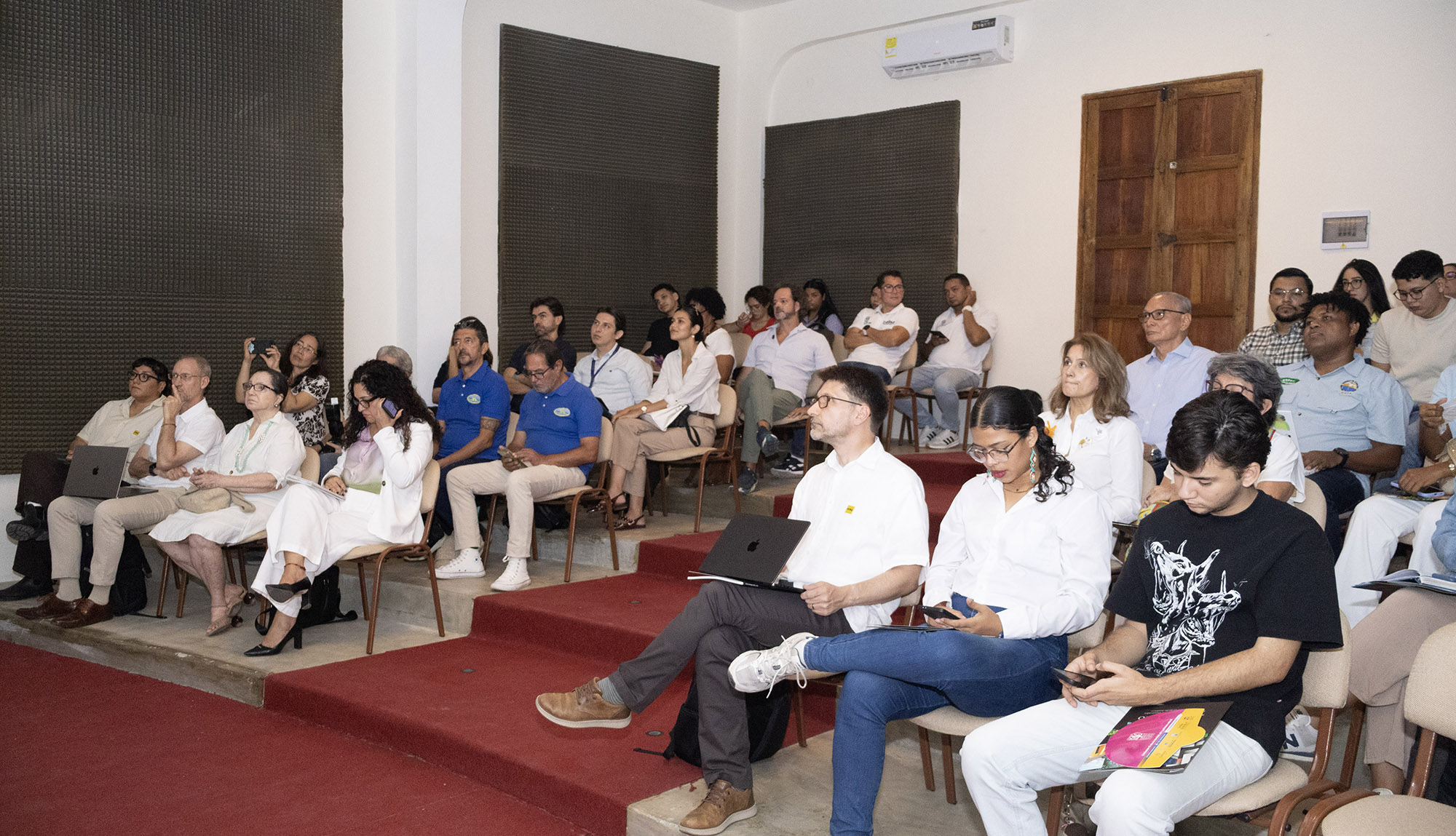
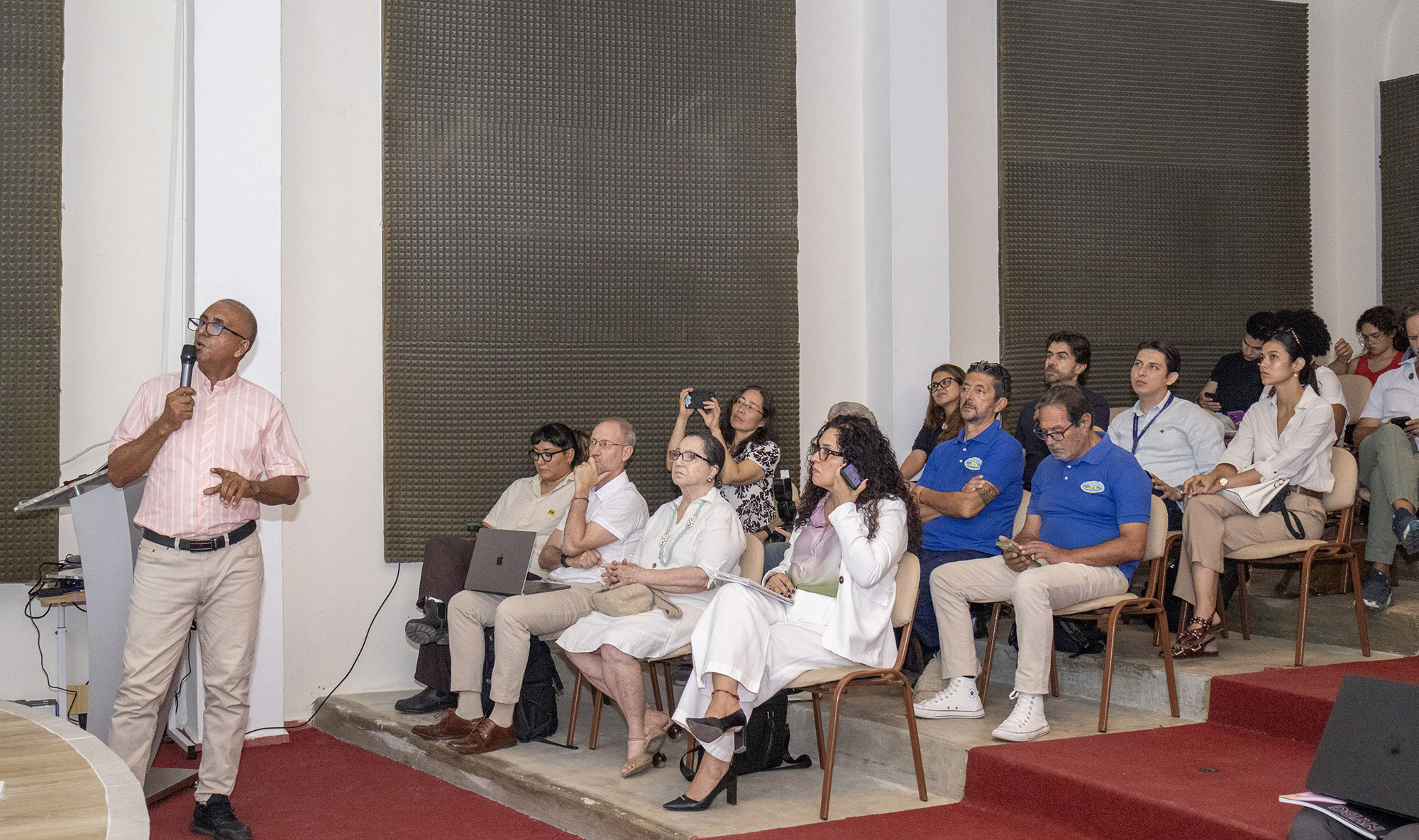
On the first day of the Technical Exchange, partners from across Santa Marta and Colombia introduce their institutions and the strengths they can bring to future collaboration.Day 1
-
-
José Castillo, Coordinator of JBQSPA, presents an overview of the garden and its strategic plan.Day 1
-
-
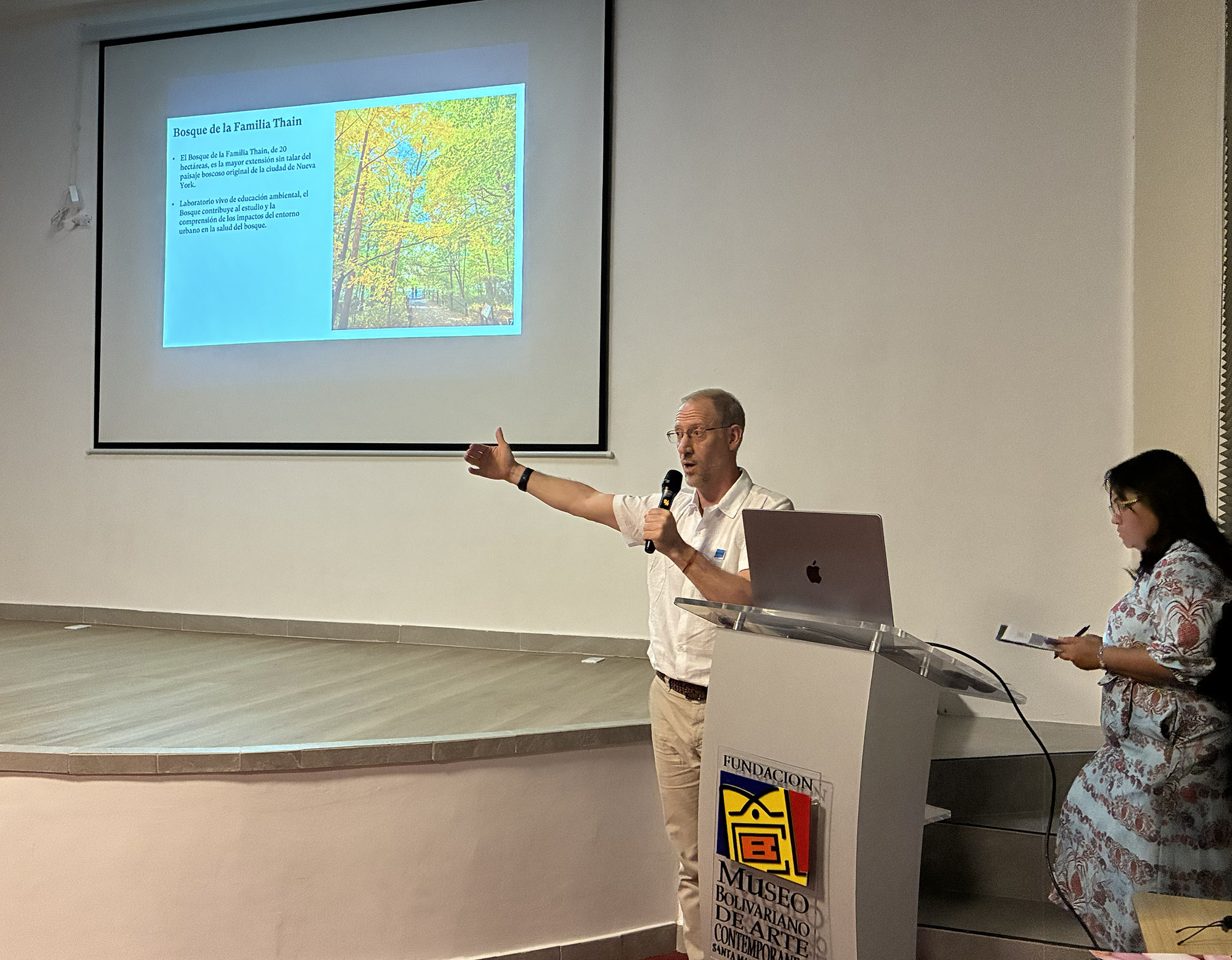
Mauricio Diazgranados, Chief Science Officer and Dean of Science, introduces NYBG’s mission and its science, horticulture, and education work with partners.Day 1
-
-
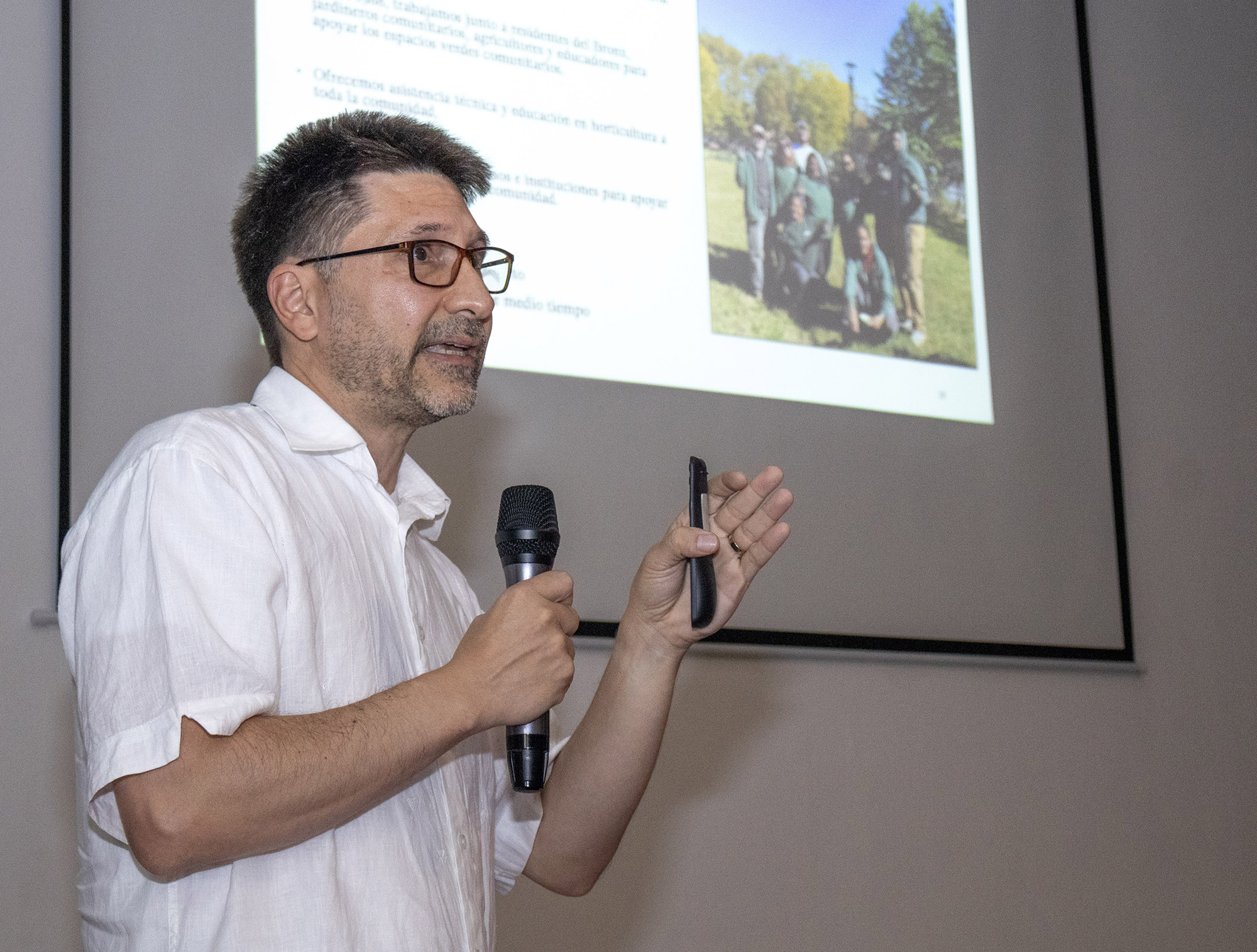
Luis Calzadilla, NYBG’s Senior Director of External Relationships and Engagement, presents the Bronx Green-Up model on behalf of Ursula Chanse, Senior Director of Bronx Green-Up and Community Horticulture. NYBG’s community gardening outreach program supports grassroots leaders and community-led stewardship in the Bronx.Day 1
-
-
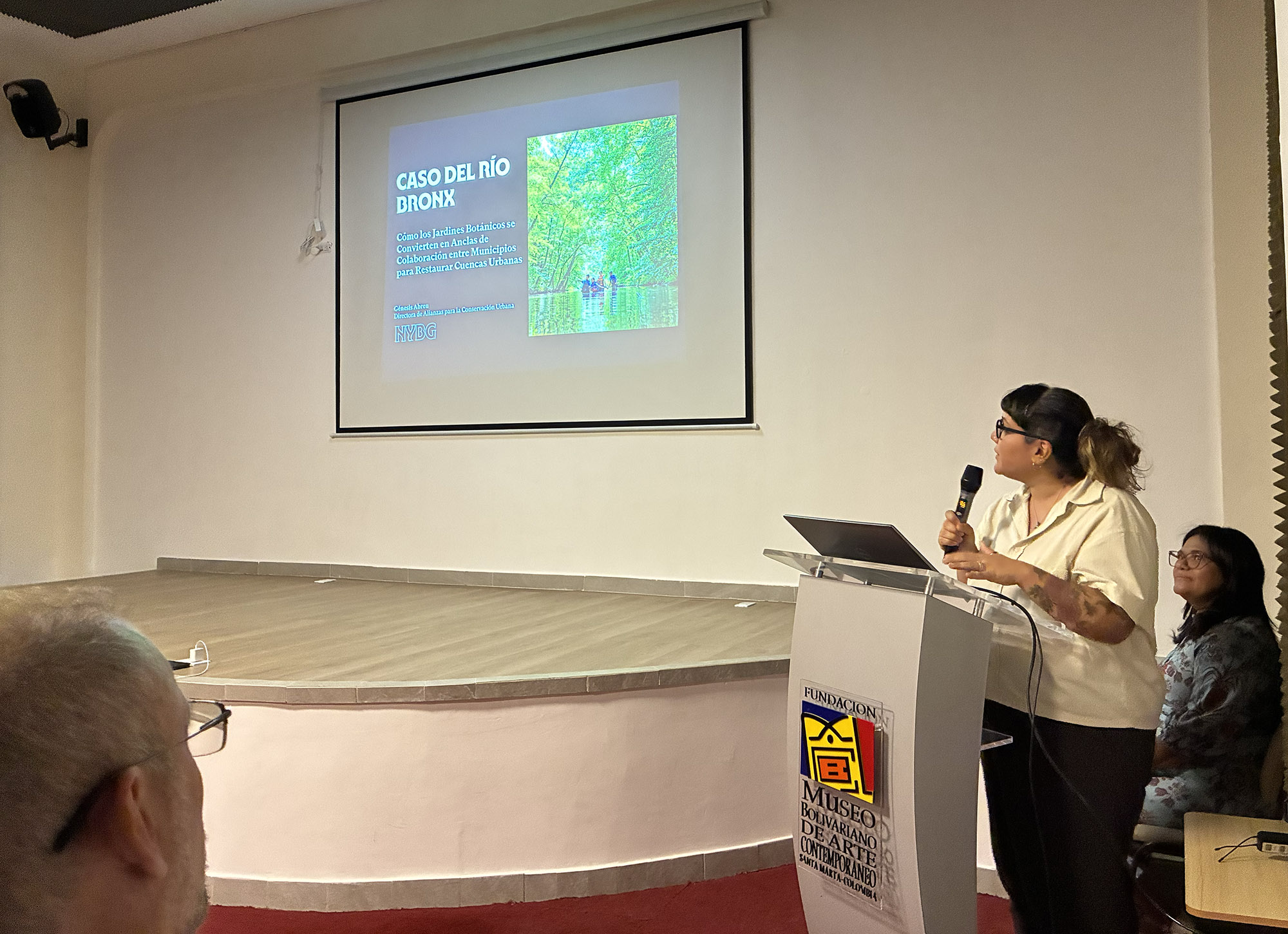
Génesis Abreu, Director of Urban Conservation Partnerships, presents NYBG’s Bronx River Watershed Health and Resilience Program, which supports community land stewards and cross-sector partners through plant-based strategies, community engagement and education, actionable science, and collaboration.Day 1
A Watershed Approach Rooted in Partnership
NYBG’s Bronx River Watershed Health and Resilience Program is built around supporting the community land stewards and cross-sector partners who care for the watershed. The program brings our horticulture, education, and science knowledge and experience to amplify their work through four connected areas: plant-based strategies, community engagement and education, actionable science, and collaboration across sectors.
Community knowledge can help shape research questions, and research can help partners make informed land-management decisions. Restoring riparian forests can create opportunities for hands-on learning, while partnerships can connect individual restoration sites to a broader vision for watershed health. In this way, the program’s four areas work together rather than as separate tracks.
During the Technical Exchange, we explored a broader role for botanical gardens: one that connects conservation and scientific collaboration with education, community engagement, and institutional partnerships. We grounded that conversation in approaches and lessons from our river restoration work, community horticulture, and collaborative planning.
The goal was to adapt relevant approaches to Santa Marta’s context, not to replicate a New York model. Santa Marta’s ecological conditions, local knowledge, and priorities guided our discussion of how lessons from the Bronx could inform urban biodiversity conservation and restoration, and the conversation deepened learning for both gardens.
-
-
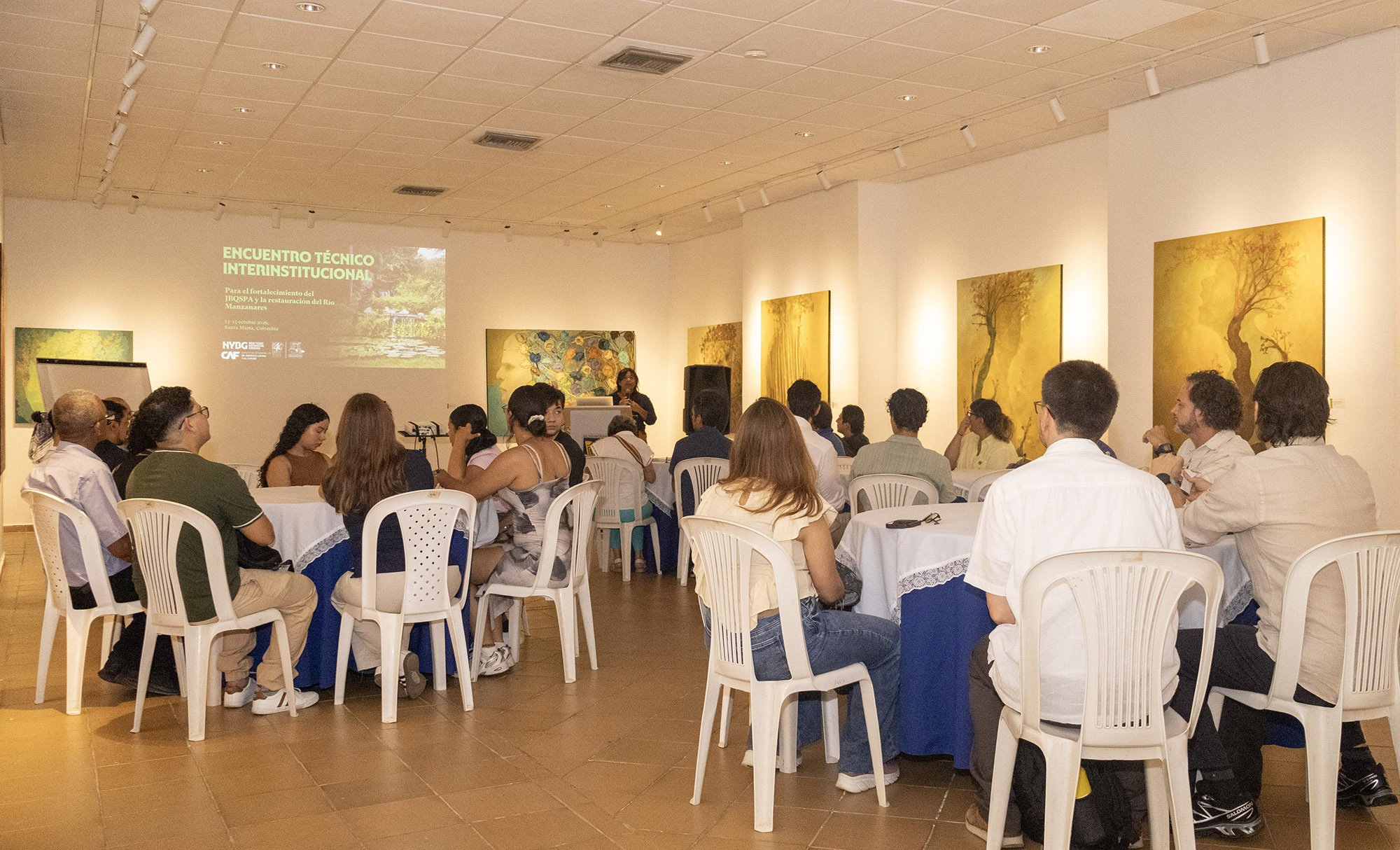
On the second day, participants move from presentations to shared reflection, exchanging perspectives and identifying priorities across institutions.Day 2
-
-
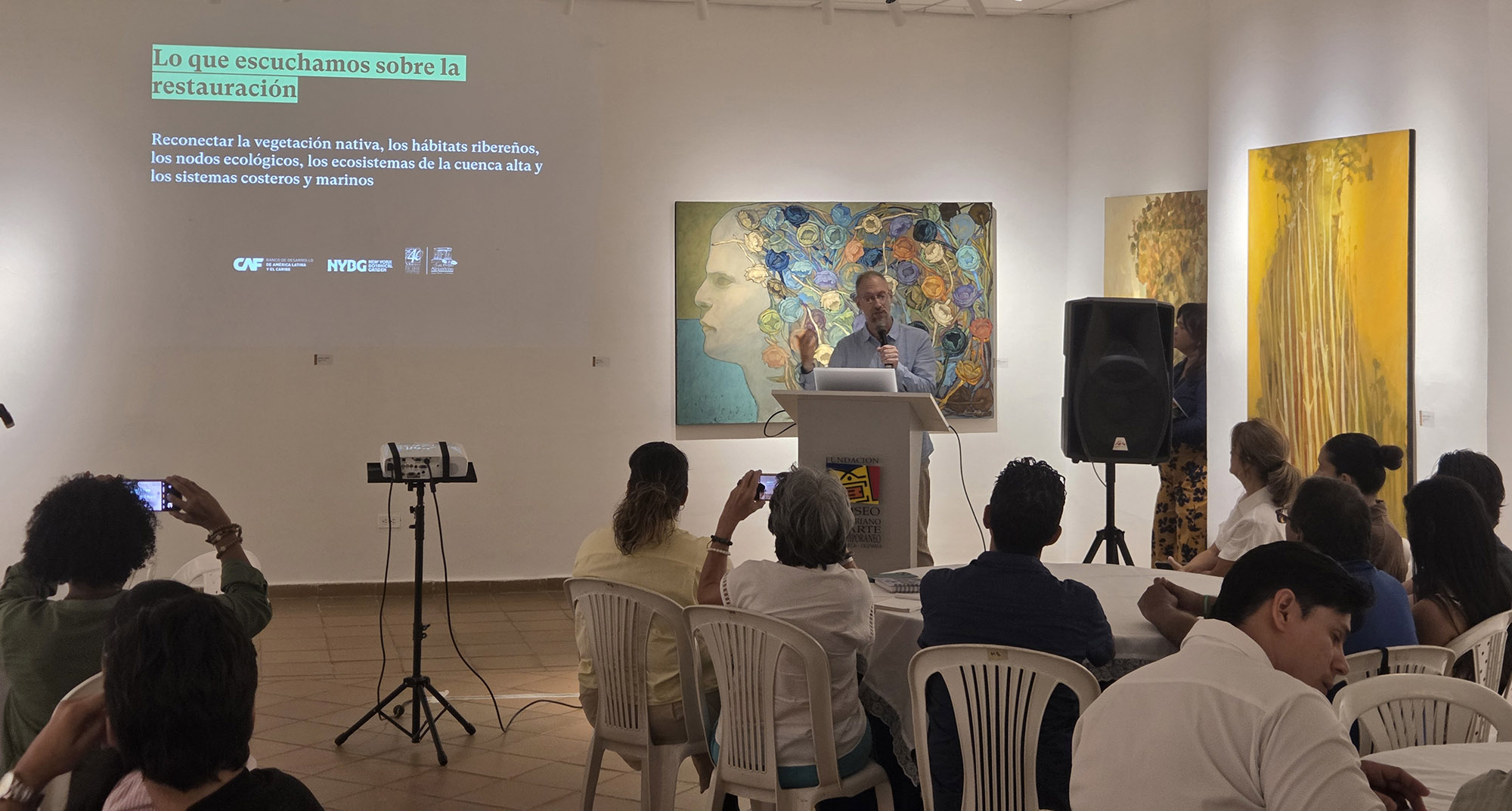
Mauricio Diazgranados, Chief Science Officer and Dean of Science, shares the themes heard on the first day. Partners react to them and help refine them.Day 2
-
-
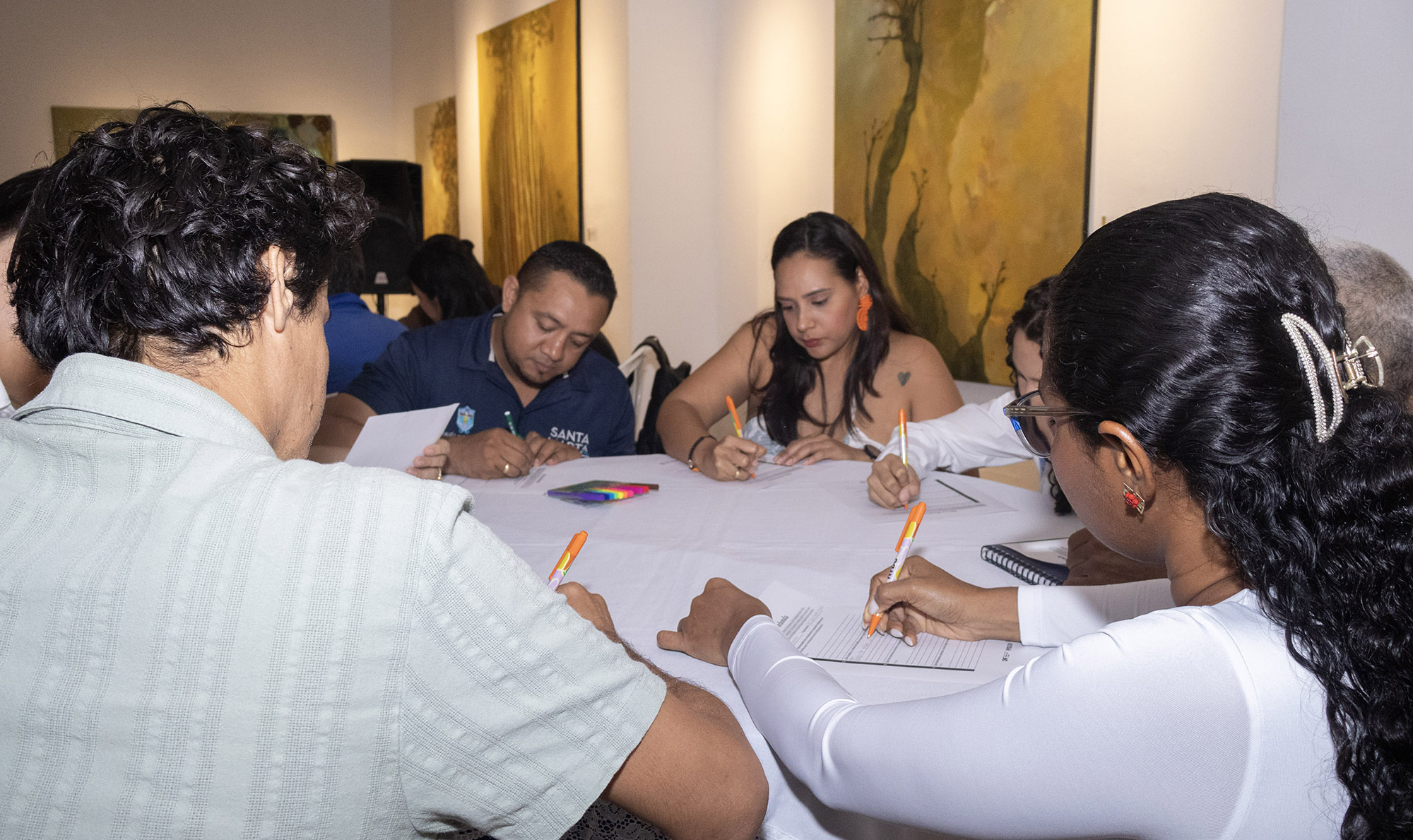
Participants record their own ideas during an independent activity before sharing them with the group.Day 2
-
-
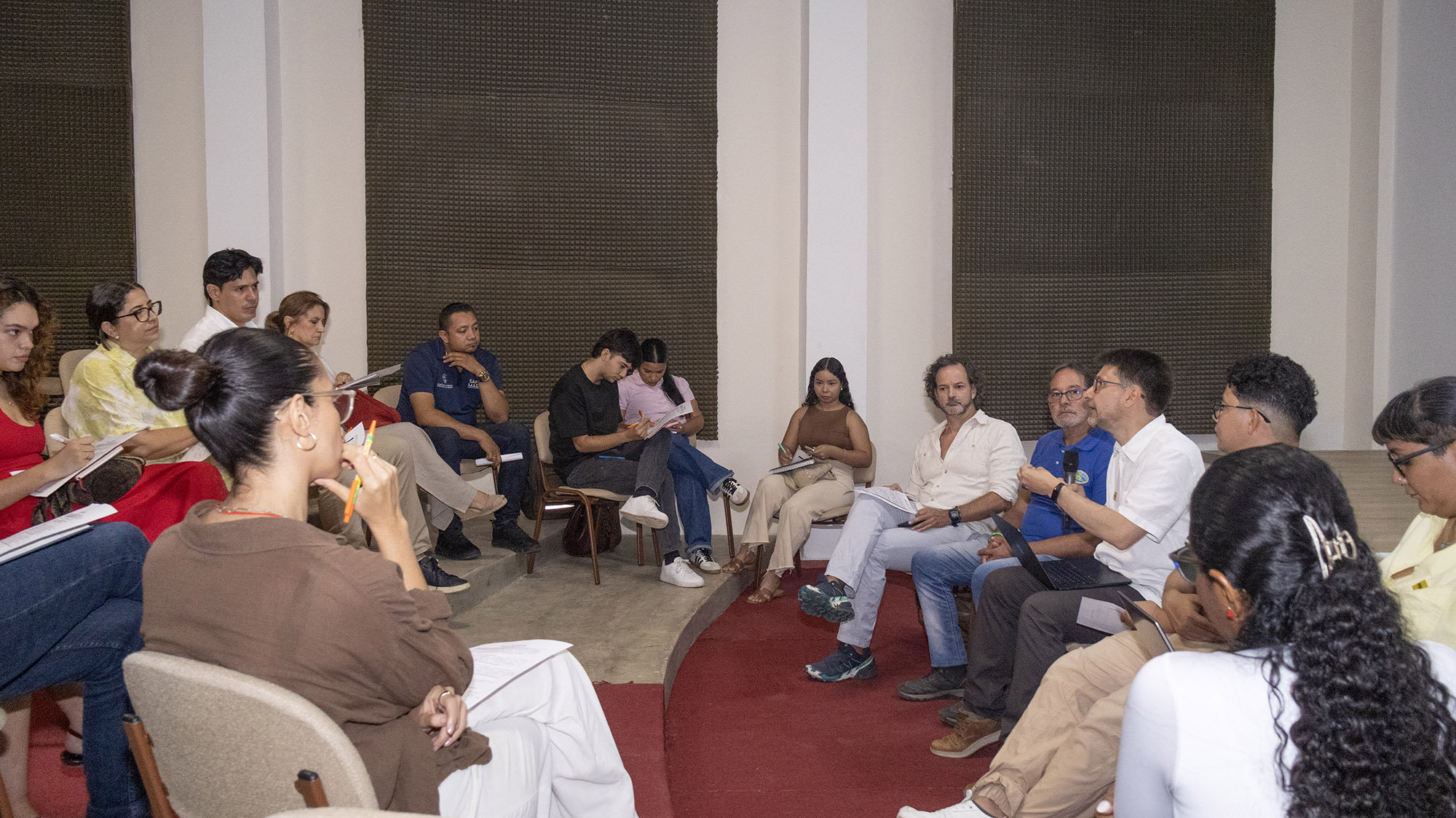
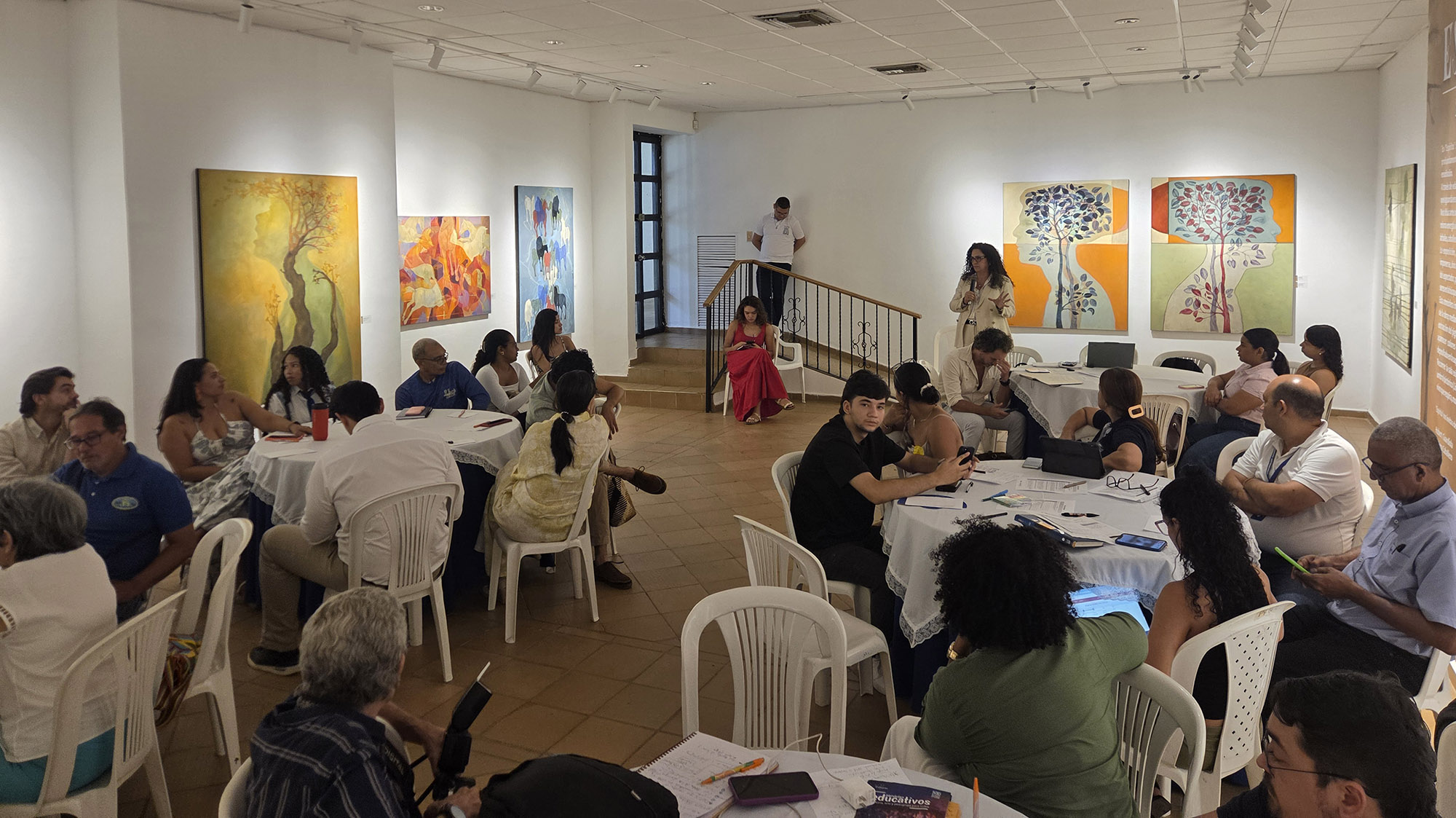
Luis Calzadilla, Senior Director of External Relationships and Engagement, facilitates a roundtable on what collaboration could look like, bringing together voices from the scientific, academic, governmental, and community sectors.Day 2
-
-
Cecilia Guerra of CAF, the Development Bank of Latin America and the Caribbean, speaks to participants about their role funding high impact programs in the region. CAF’s technical cooperation with NYBG supports JBQSPA’s institutional development.Day 2
Community Building Is River Restoration Work
Bronx Green-Up shows what a community-led approach looks like in practice. Established in 1988 to support grassroots leaders creating community gardens, NYBG’s community gardening outreach program provides horticultural education, training, and technical assistance to residents, gardeners, urban farmers, schools, and community organizations in The Bronx.
Community expertise is central to community gardening. Beyond producing food and native plants, these spaces let neighbors exchange knowledge, build relationships, and organize themselves around shared needs. As a botanical garden, supporting these spaces means recognizing communities not as beneficiaries of change, but as the people driving it.
In Santa Marta, we shared what Bronx Green-Up has taught us: community engagement is an ongoing relationship, not a single activity. That idea opened new questions for the group. How can we support local leadership? How can residents and young people connect with the river? How can scientific and horticultural resources complement the knowledge communities already hold?
These questions point to a practical lesson: community building is not an addition to river restoration. It is part of the work that makes restoration last.
-
-
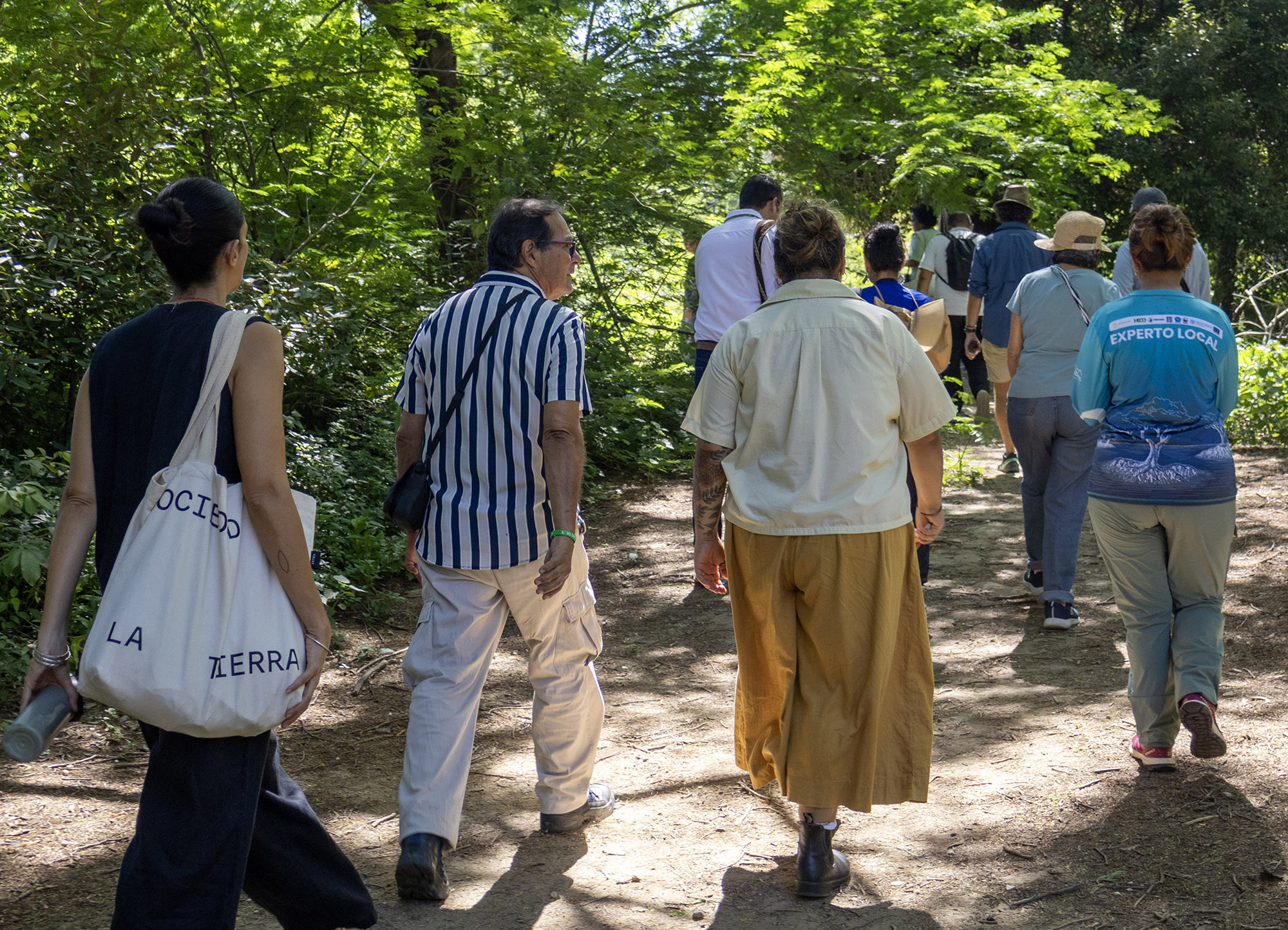
Participants walk through JBQSPA’s 15-hectare (about 37-acre) tropical dry forest on their way to the Río Manzanares. Seeing the river firsthand grounds conservation and restoration priorities in the landscape itself and helps move the exchange from dialogue to action.Day 3
-
-
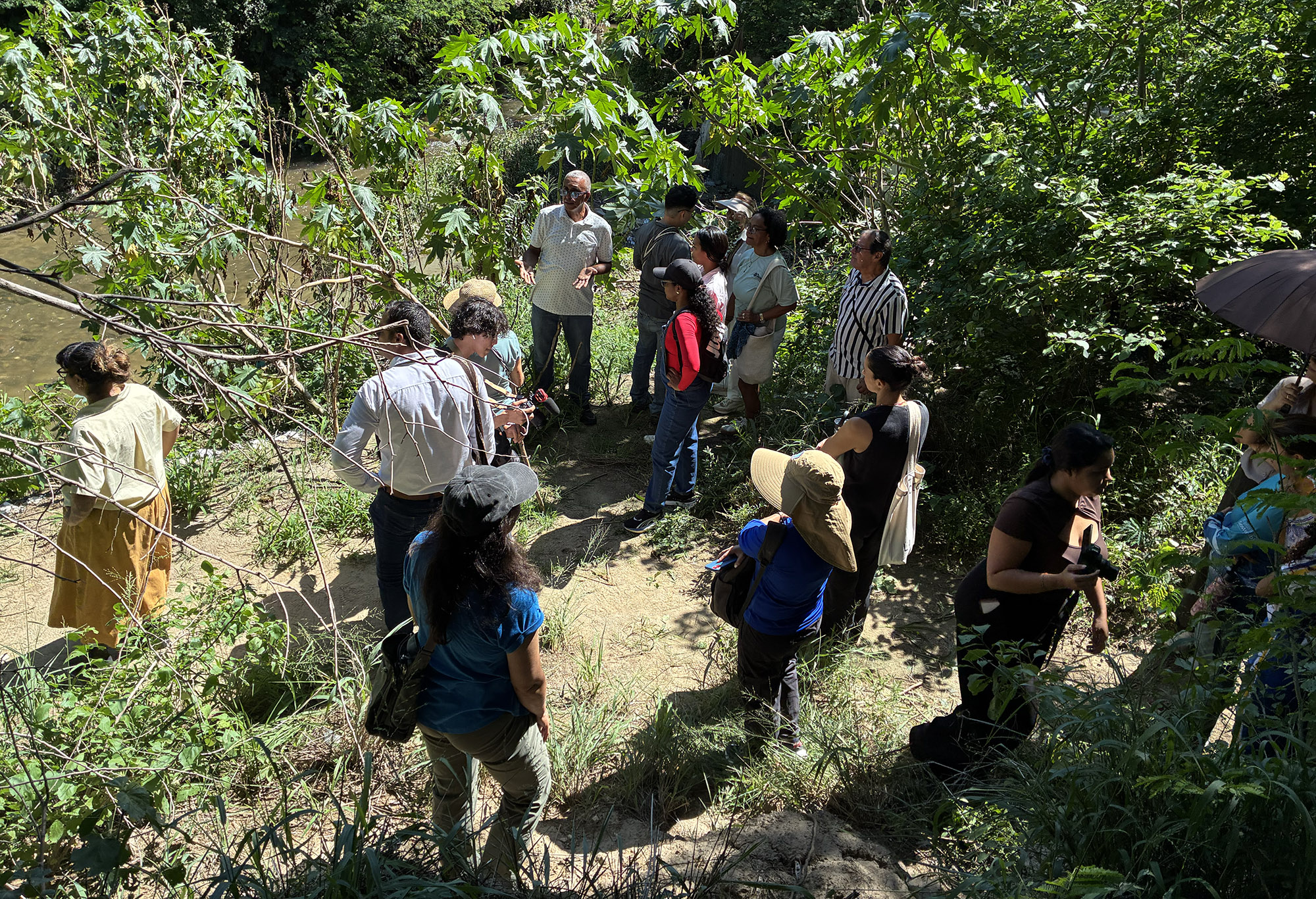
Participants gather along the Río Manzanares, a two-kilometer (about 1.2-mile) stretch of which flows through JBQSPA’s grounds.Day 3
-
-
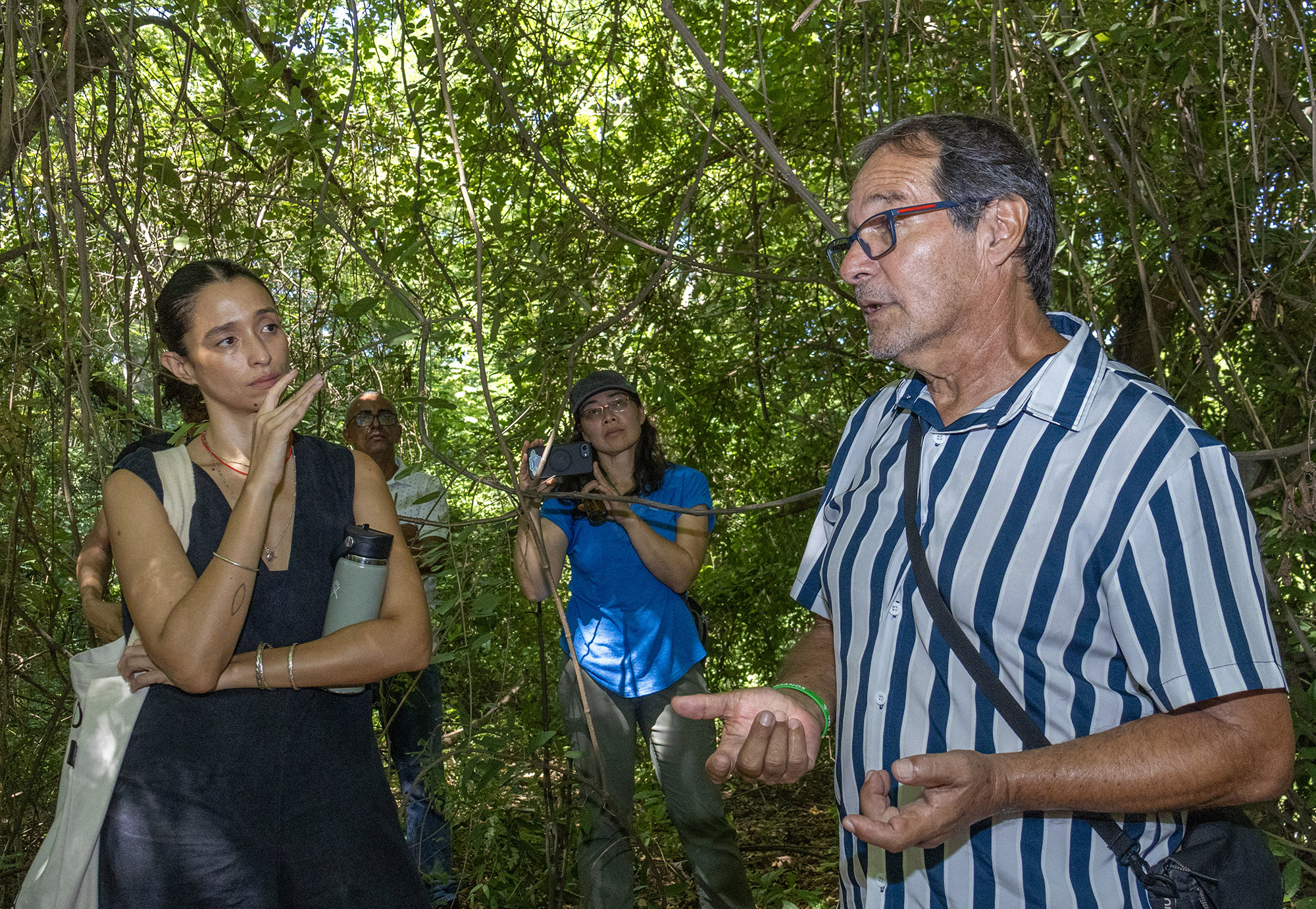
Harold Estrada Forero, Director of Fundación Salva tu Río, describes the condition of the Río Manzanares to participants during the visit to the river.Day 3
-
-
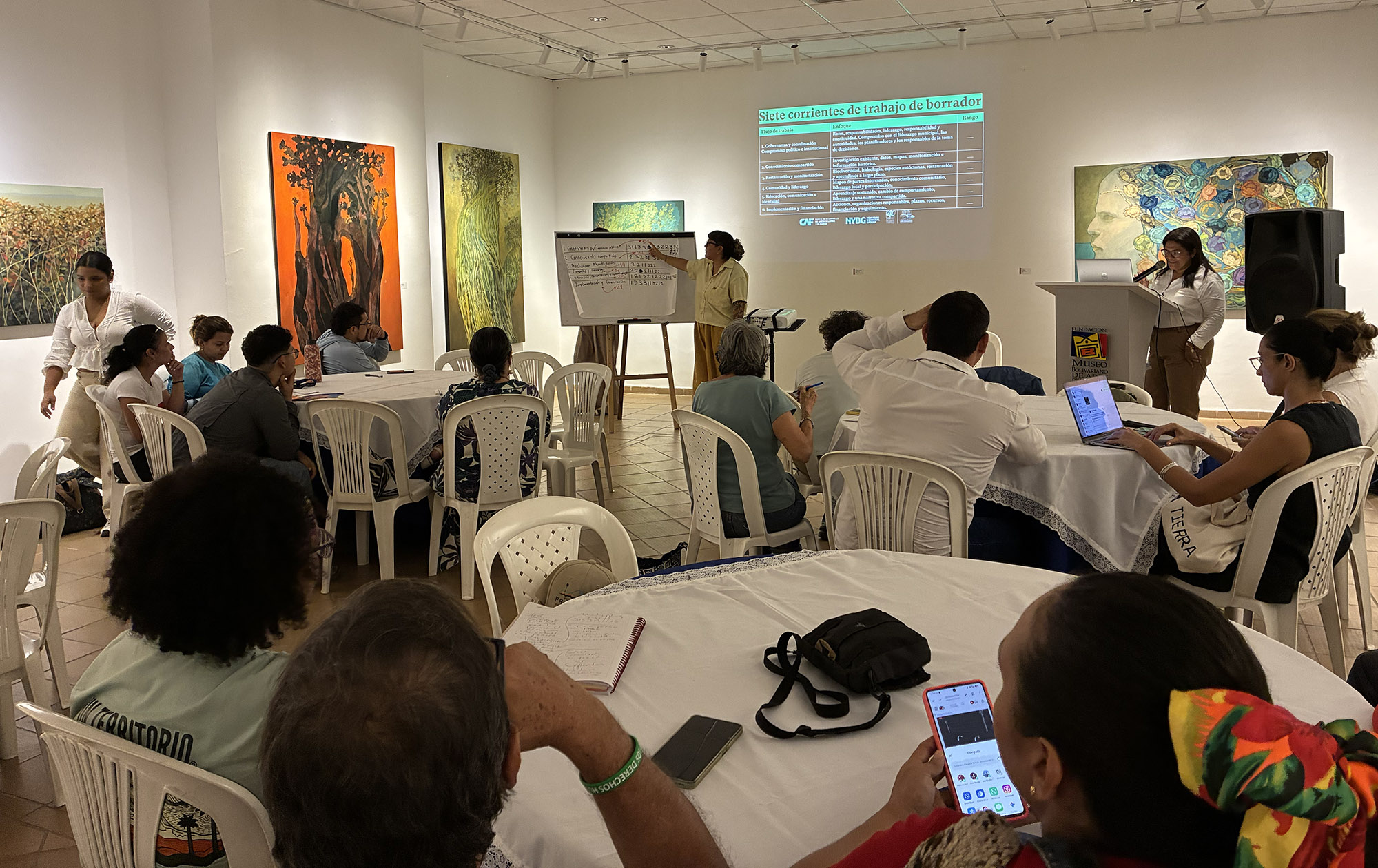
Génesis Abreu, Director of Urban Conservation Partnerships, guides participants through a collaborative activity to prioritize actions for the river and the garden and agree on a focused set of next steps.Day 3
From Shared Learning to Shared Action
Representatives from scientific, academic, governmental, and community sectors in Santa Marta and across Colombia came together at the exchange to examine the challenges and opportunities facing the Río Manzanares and JBQSPA. Presentations, facilitated discussions, and direct observation during a visit to the river connected technical knowledge with local experience, grounding conservation and restoration priorities in the landscape itself.
The exchange was designed to move from dialogue to action. Participants reviewed and validated the information and lessons from the discussions, identified opportunities for collaboration across institutions, and prioritized a focused set of actions for the river and the garden.
The process also laid the groundwork for a preliminary roadmap connecting those priorities with potential roles, responsibilities, partners, timelines, and mechanisms for continued coordination in Santa Marta. It provides a starting point for collaborative planning, not a finalized implementation plan.
That roadmap draws on what JBQSPA and the invited partners bring: JBQSPA’s tropical dry forest, living collections, and growing ability to unite partners, along with the place-based knowledge, relationships, and experience of the scientific, academic, governmental, and community organizations that took part in the exchange.
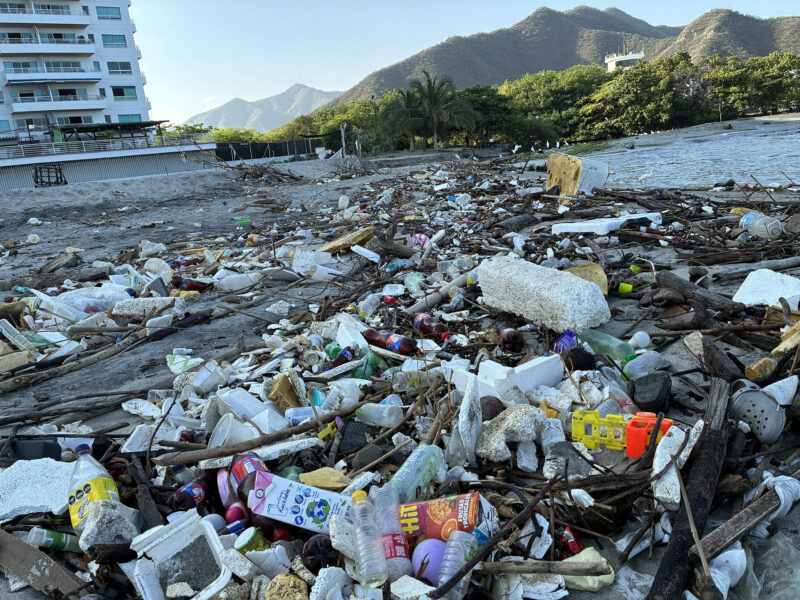
The mouth of the Río Manzanares in Santa Marta, downstream of the garden, where the river connects to the wider landscape and the communities along its path. Trash gathers around the mouth of the Río Manzanares, a reminder of the challenges partners in Santa Marta are working to address together.
Looking Ahead
In the next phase, we will work with JBQSPA to turn the outcomes of the gathering into a practical framework for longer-term, locally grounded collaboration between our two gardens. This ongoing work, part of our technical cooperation with CAF, will build on the relationships, knowledge, and priorities developed in Santa Marta.
Building on the leadership JBQSPA showed during the exchange, we will help the garden and its partners refine the priorities identified there, clarify the roles and opportunities for participating institutions and communities, and establish a coordinated path for implementation and follow-up.
So how can botanical gardens care for the rivers that flow through their grounds? For both of our gardens, the answer is the same: by sustaining the relationships that make restoration possible, and by advancing ecological health and community well-being together, from the Bronx River to the Río Manzanares.
Participating Organizations
Thank you to the organizations and institutions that took part in the Technical Exchange:
- Cabal Arquitectos
SUBSCRIBE
Enter your email address to subscribe to this blog and receive updates on new posts.