Uniting Botanic Gardens and Genebanks Around Food Plant Diversity
Colin Khoury is the Global Conservation Lead Coordinator of the Global Conservation Consortium for Food Plants.
With increasing threats to plant diversity limiting our options for developing healthier and more resilient food systems, new papers in Plants, People, Planet describe why food plant diversity matters, and outline a vision of collaboration to better protect, mobilize, and raise awareness about food plants.
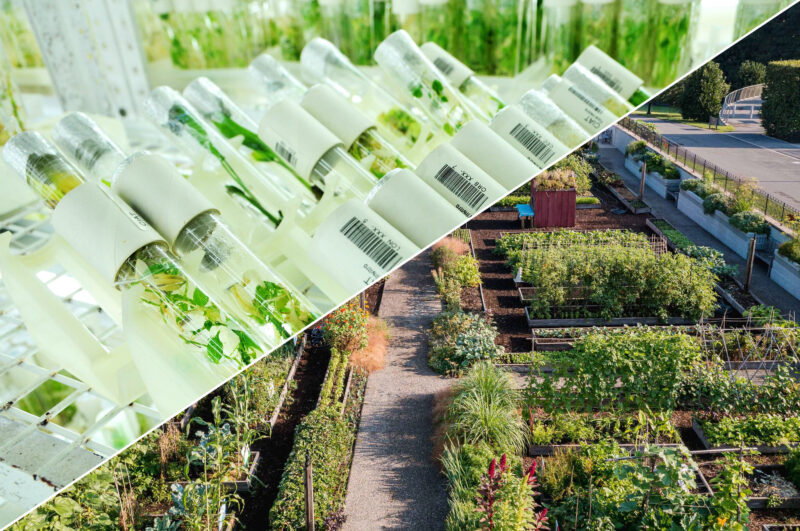
Thousands of botanic gardens are scattered across the world, collectively employing tens of thousands of horticulturalists, curators, plant scientists, conservationists, educators, and other professionals. These plant people help display and safeguard over 100,000 species in gardens, greenhouses, and seed banks, curate over 150 million herbarium specimens, and offer recreation and learning for more than 750 million visitors each year. Gardens connect, share resources, and build their capacities through networks organized around protecting, generating knowledge, and raising awareness about plants.
At the same time, close to a thousand national, regional, international, and other types of genebanks across the world employ several thousand curators, scientists, and conservation technicians. These plant people collectively maintain over 6 million accessions in freezers, labs, and fields, which are mainly composed of agricultural species, but also include their wild relatives and other useful wild plants. They distribute over half a million samples of these plants each year to scientists, plant breeders, educators, and other requestors. Like botanic gardens, they also maintain networks, organized around sharing resources and building capacity to conserve and make available the plants that feed the world.
What tremendous and critically important efforts, made by the two largest sectors worldwide that are dedicated to conserving and using plant diversity!
And yet, these efforts are not nearly enough. Most plant species are not yet protected in gardens or genebanks, even as an increasing proportion becomes threatened by environmental and societal change. The number of plants projected to be at risk within a few decades is truly terrifying. Meanwhile, much needs to be done to more mobilize nutritious, resilient food plants to address human malnutrition, environmental degradation, and other societal challenges. And as the world becomes ever more urban, there is an increasing risk that those with decision-making power, and the public more generally, become less and less aware of why plants matter to human and planetary health.
-
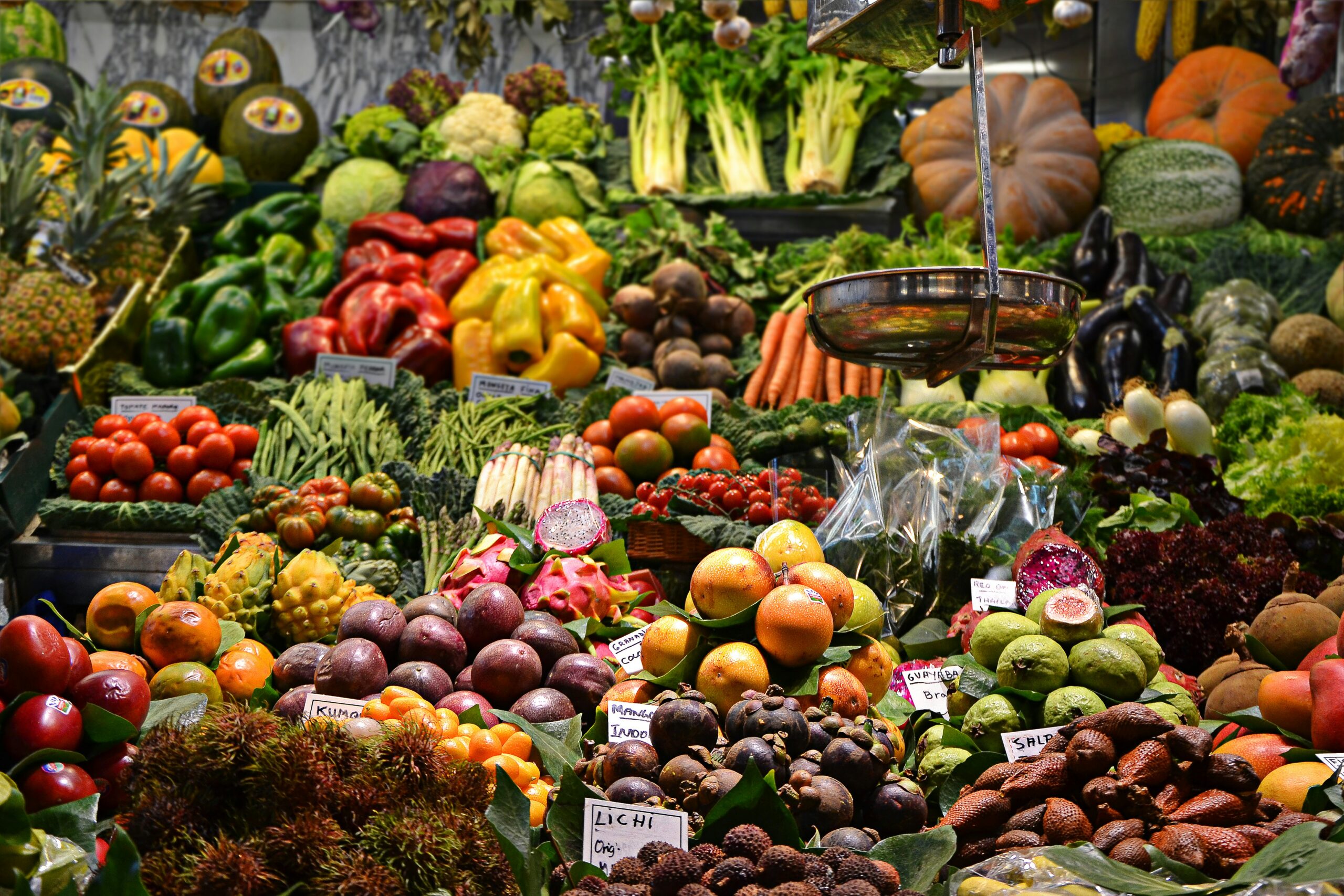
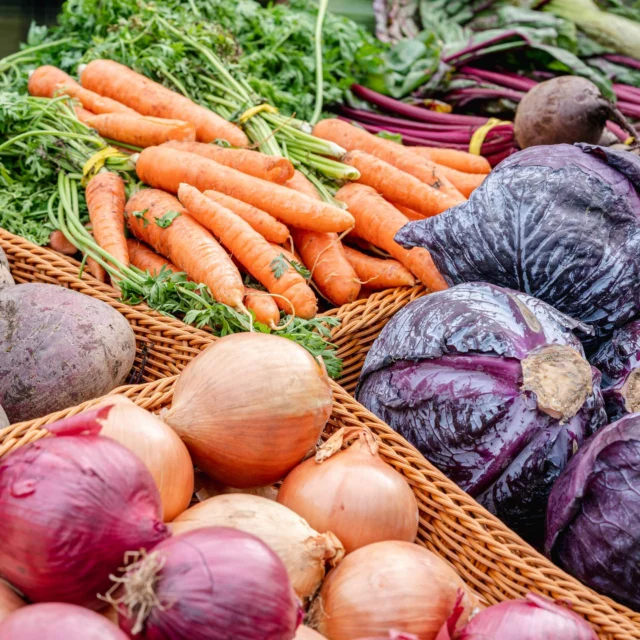
- Vegetable market in Spain. Credit: Jacopo Maiarelli
-
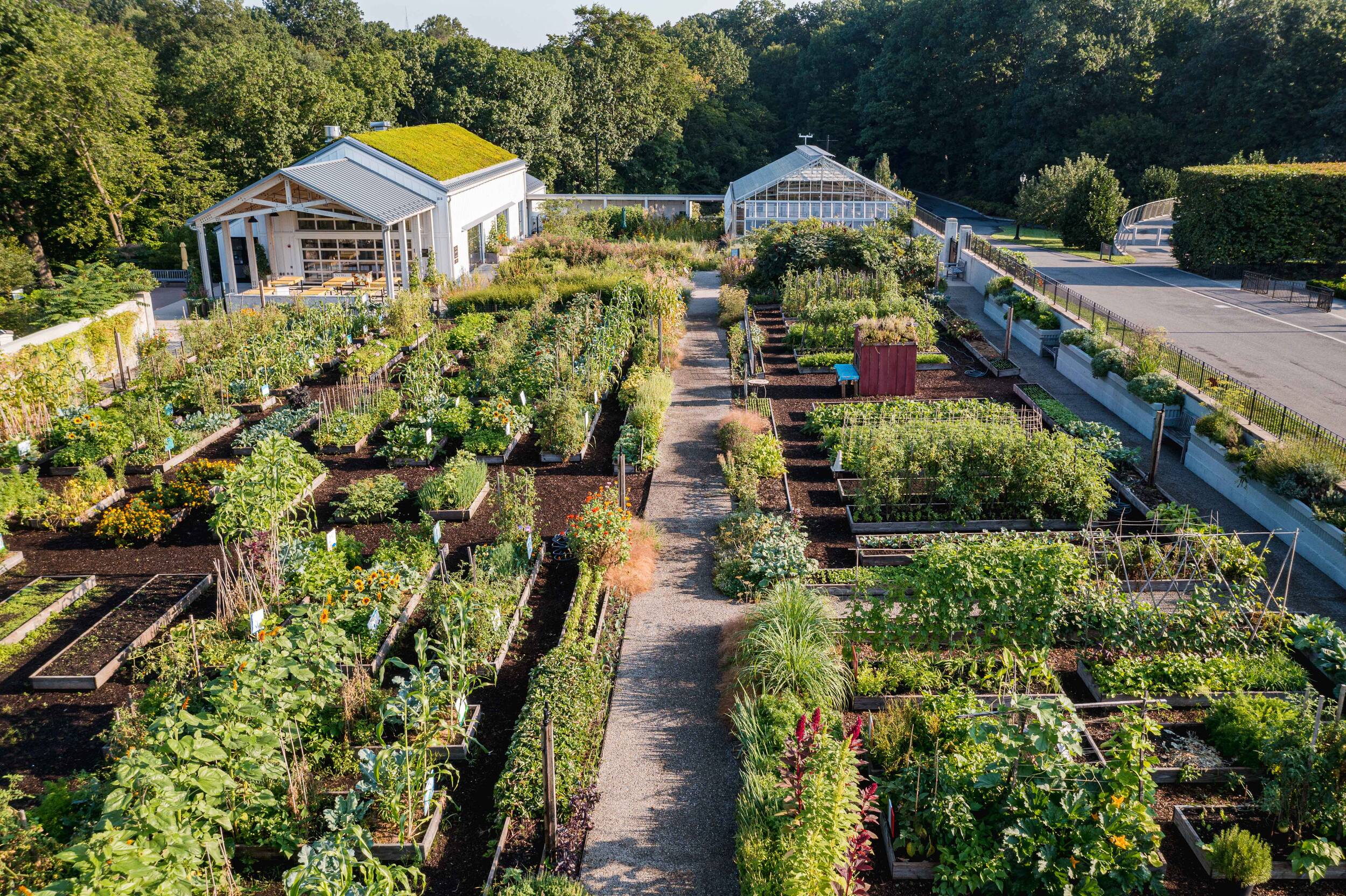
- Edible Academy, New York Botanical Garden
-
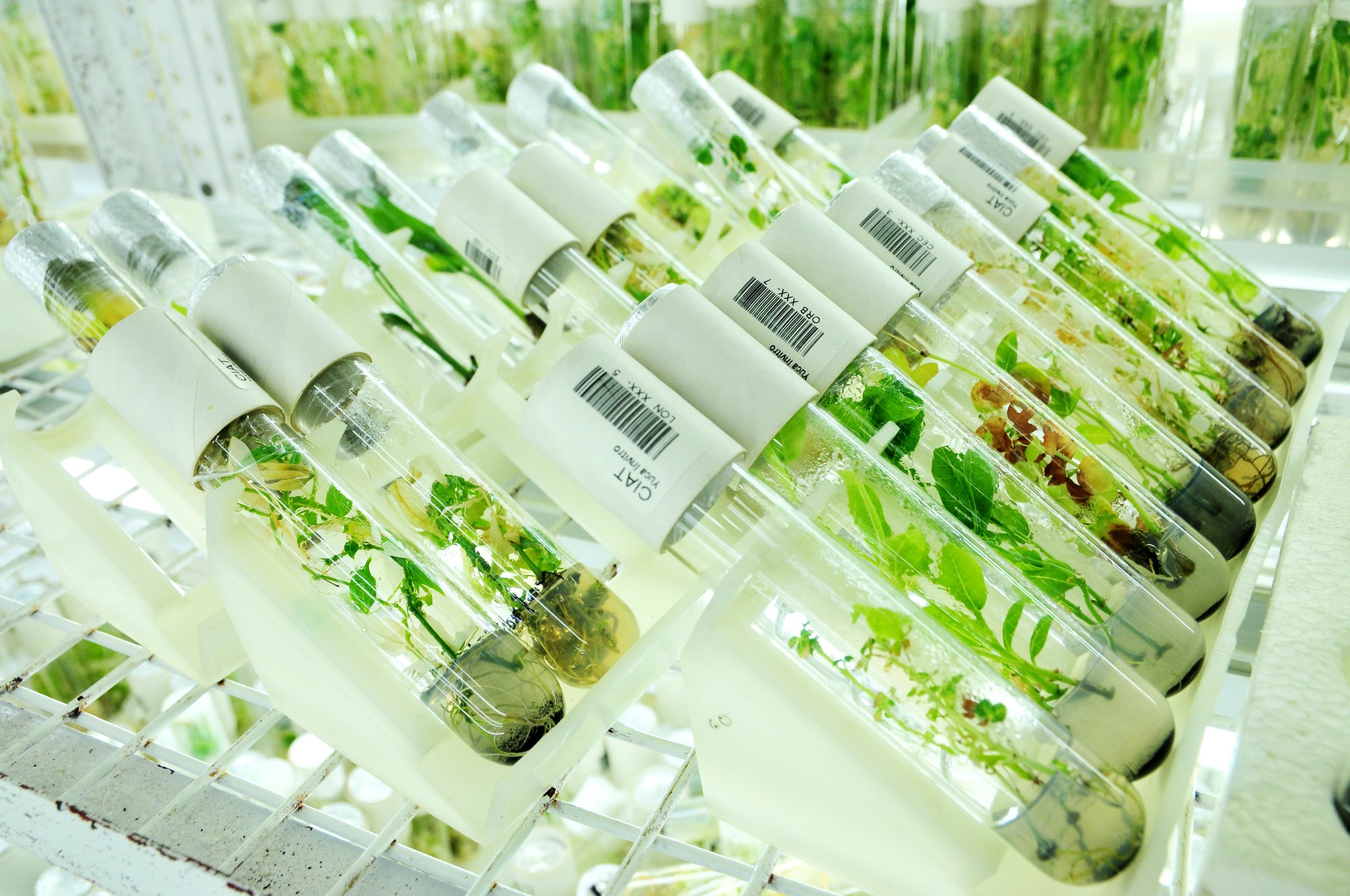
- Plant samples in the genebank, part of CIAT's Genetic Resources program, at the institution's headquarters in Colombia. Credit: ©2010CIAT/NeilPalmer
-
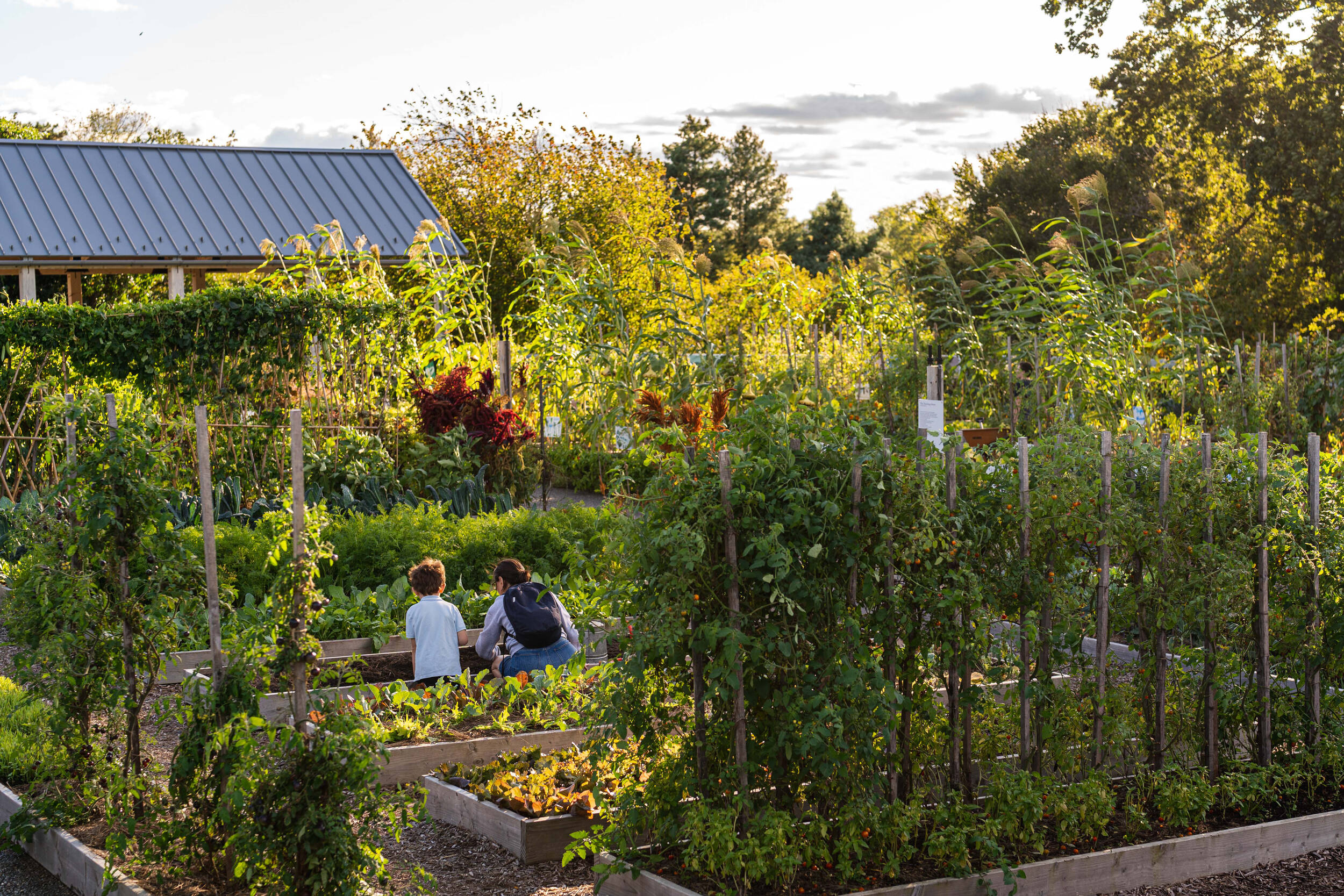
- Edible Academy, New York Botanical Garden
-
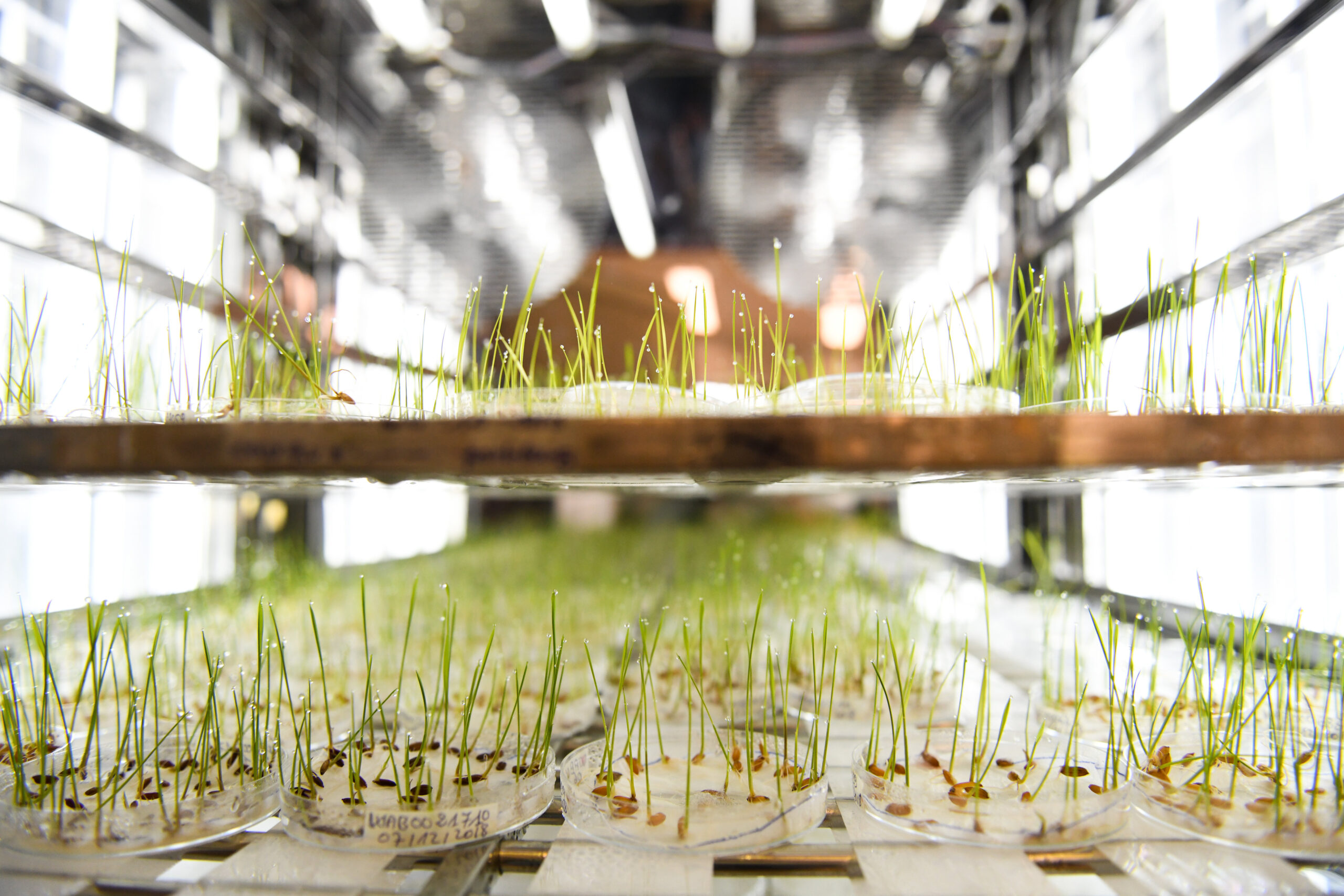
- AfricaRice genebank in Mbe, Cote d'Ivoire. Credit: Neil Palmer/Crop Trust
-
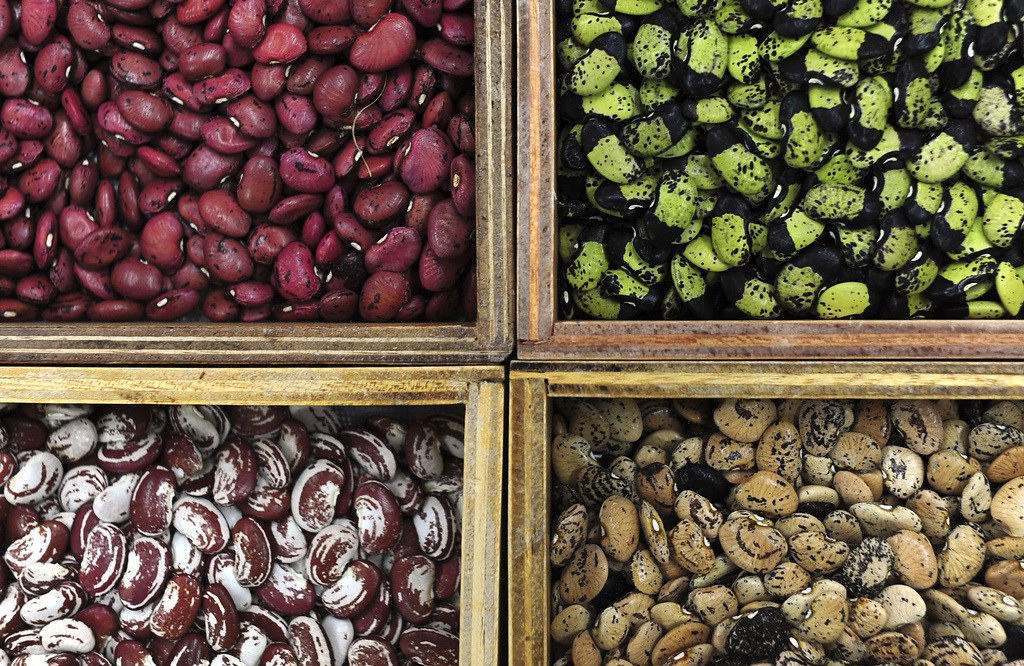
- Beans at the CIAT genebank in Colombia. Credit: ©2011CIAT/NeilPalmer
-
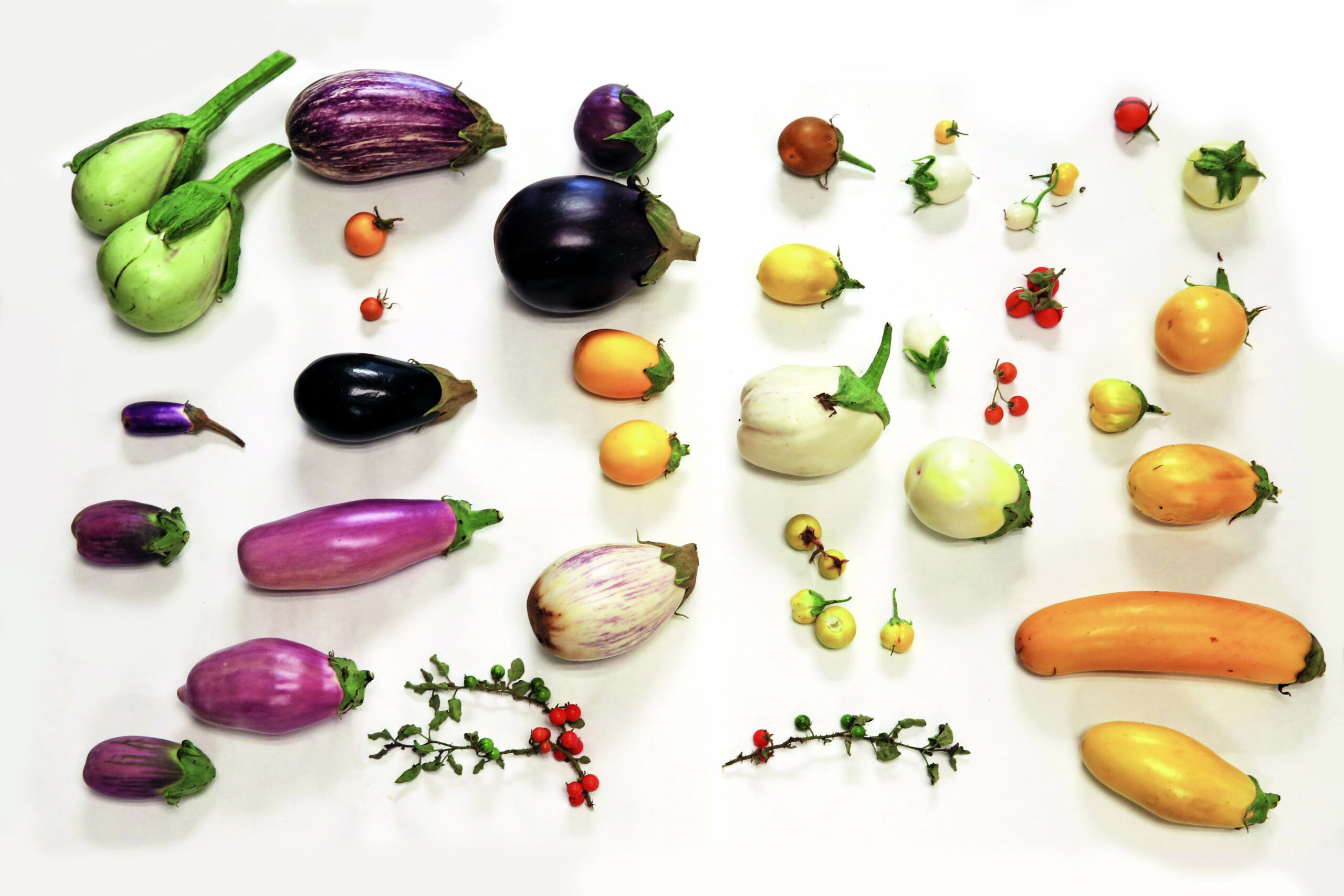
- Diversity in eggplant crops and their wild relative species. Credit: L.M. Salazar, Crop Trust, CC BY-NC-SA 2.0
It only makes sense to work more closely together to become better stewards of the flora that gives us our food and so many other essential societal needs. To expand our networks, so that we are more impactful, effective, and efficient in reaching our shared goals.
Through my work, I have had the opportunity to become deeply acquainted with both botanical sectors, having spent the first decades of my career in genebanks, and more recently in botanic gardens. Of the colleagues I know who have similarly moved from one community to the other, we all share the conviction that we must do more, together.
The potential research, conservation, and outreach impacts are plentiful. Botanic gardens and genebanks offer complementary plant collections, emphasize compatible areas of science and outreach, and largely derive their funding from different sources. Through collaboration, genebanks stand to benefit from access to wider botanical knowledge, the formation of novel collecting and conservation partnerships, and greater public awareness of their efforts. Botanic gardens will in turn access sophisticated conservation and information infrastructure, and be able to participate more directly in the crop research and plant breeding pipelines that underpin global food security.
There are the typical ‘siloing’ challenges to collaboration. Botanic gardens and genebanks have operated under different policy and strategy frameworks, are generally affiliated with or connected to different governmental agencies, and have had separate accreditation processes, institutional networks, data and information systems, and perceived impact pathways and clientele. But these can be better aligned with effort and creativity. Failure to embrace opportunities for greater and more efficient impact has too many drawbacks in a time of decreasing funding and widening gaps in public awareness about the connections between botanical research and societal needs.
Over 30 researchers, leaders, and experts from the botanic garden and genebank communities have come together to publish a major opinion paper in Plants, People, Planet, exploring the value of cross-sectoral coordination on food plants. The article offers examples of efforts in recent decades that have increased collaborations between these sectors, and announces the launch of the Global Conservation Consortium for Food Plants (GCCFP). This new global initiative aims to unite botanic gardens, genebanks, and other relevant sectors to better understand, conserve, increase the use of, and raise awareness about diversity in food plants.
The GCCFP is hosted at the New York Botanical Garden and is supported by Botanic Gardens Conservation International, the United States Botanic Garden, Gothenburg Botanical Garden, Royal Botanic Gardens, Kew, the Crop Trust, the Alliance of Bioversity International and CIAT, CGIAR, and the International Treaty on Plant Genetic Resources for Food and Agriculture.
Read the articles at Plants, People, Planet:
Khoury CK, Gora S, Dempewolf H, Diazgranados M, McAlvay AC, Azevedo V, Brockington S, Cano Á, Carver D, Cowell C, Crane P, Fowler C, Giovannini P, Guarino L, Hart R, Hawtin G, Krishnan S, Lusty C, Malcolm P, McCarry N, Meyer A, Miller A, Mims R, Moreau T, Noorani A, Pell S, Restrepo JL, Riordan EC, Schmitz S, Smith P, Spillane C, Toledo A, Toppila R, van Zonneveld M, Warschefsky E, and Wenzl P (2026) Enhance food plant diversity conservation and use through greater coordination between genebanks and botanic gardens. Plants, People, Planet. doi: 10.1002/ppp3.70265.
Khoury CK, Dempewolf H, Argumedo A, de Haan S, Diazgranados M, McAlvay A, Toledo A, van Zonneveld M, and Wenzl P (2026) Food plant diversity in a rapidly changing world. Thomas Review, Plants, People, Planet. doi: 10.1002/ppp3.70273.
The United States Botanic Garden provided support for some of this research.
SUBSCRIBE
Enter your email address to subscribe to this blog and receive updates on new posts.