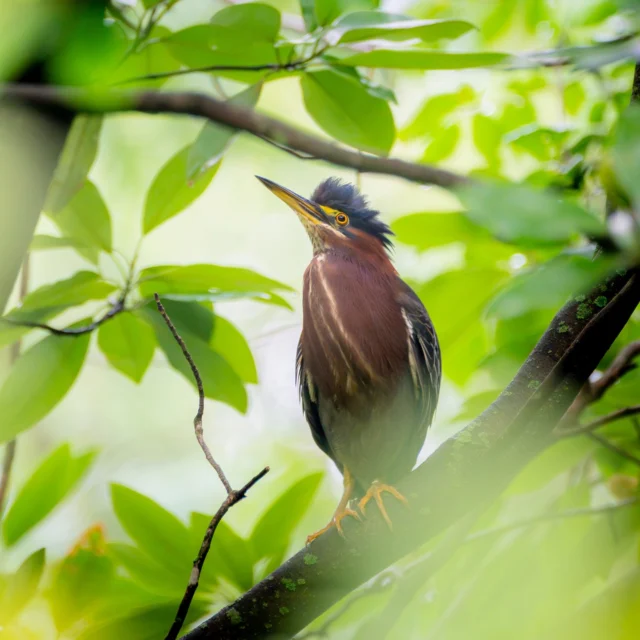
What Can Urban Gardens Teach Us About Biodiversity?
Zara Kadir is a SCI-Network NYC Intern in the Center for Conservation and Restoration Ecology at the New York Botanical Garden.
Urban green spaces are often overlooked in biodiversity research, with most ecological studies instead focusing on more “natural” environments like forests and grasslands. However, parks and gardens in cities can still provide important habitat for plants, insects, and other wildlife, making them increasingly important for conservation research.
At the New York Botanical Garden, visitors have uploaded over 30,000 biodiversity observations to iNaturalist, showcasing the garden as a biodiversity hotspot within New York City. However, these are opportunistic observations—we don’t know which garden types are actually the most biodiverse. To address this, I led a systematic biodiversity survey as part of the SCI-Network NYC Internship Program. I asked: How does biodiversity respond to three very different—but common—types of urban garden landscapes: a food garden, an ornamental plant garden, and an open grassy lawn.
-
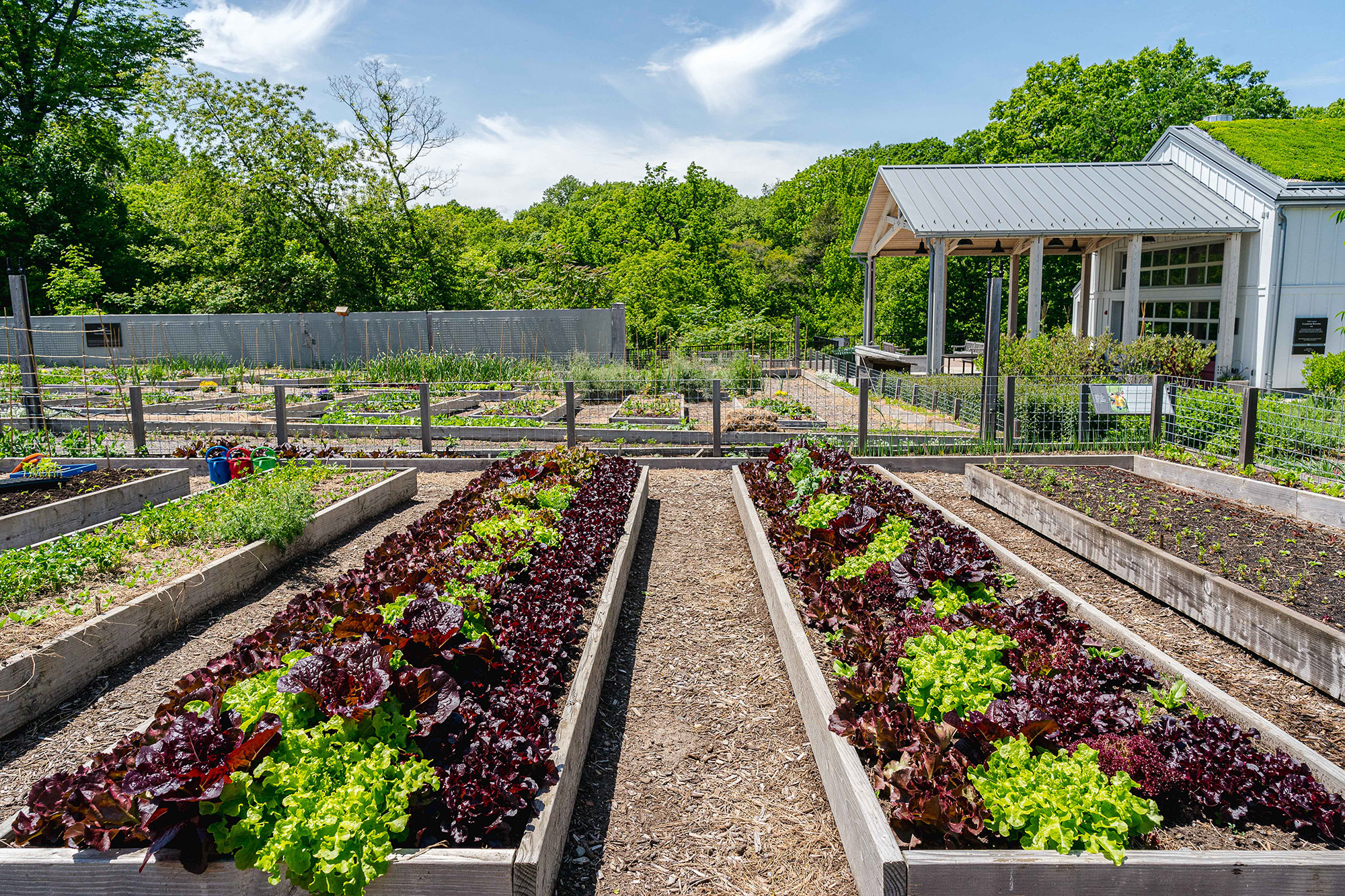
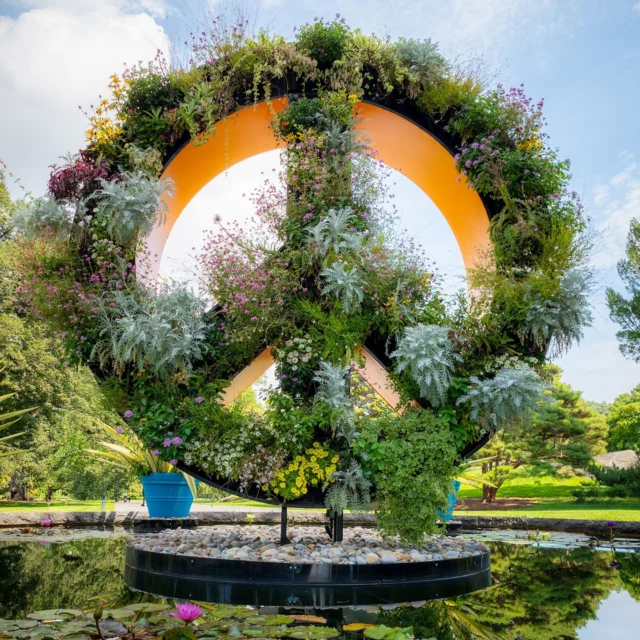
- Edible Academy
-
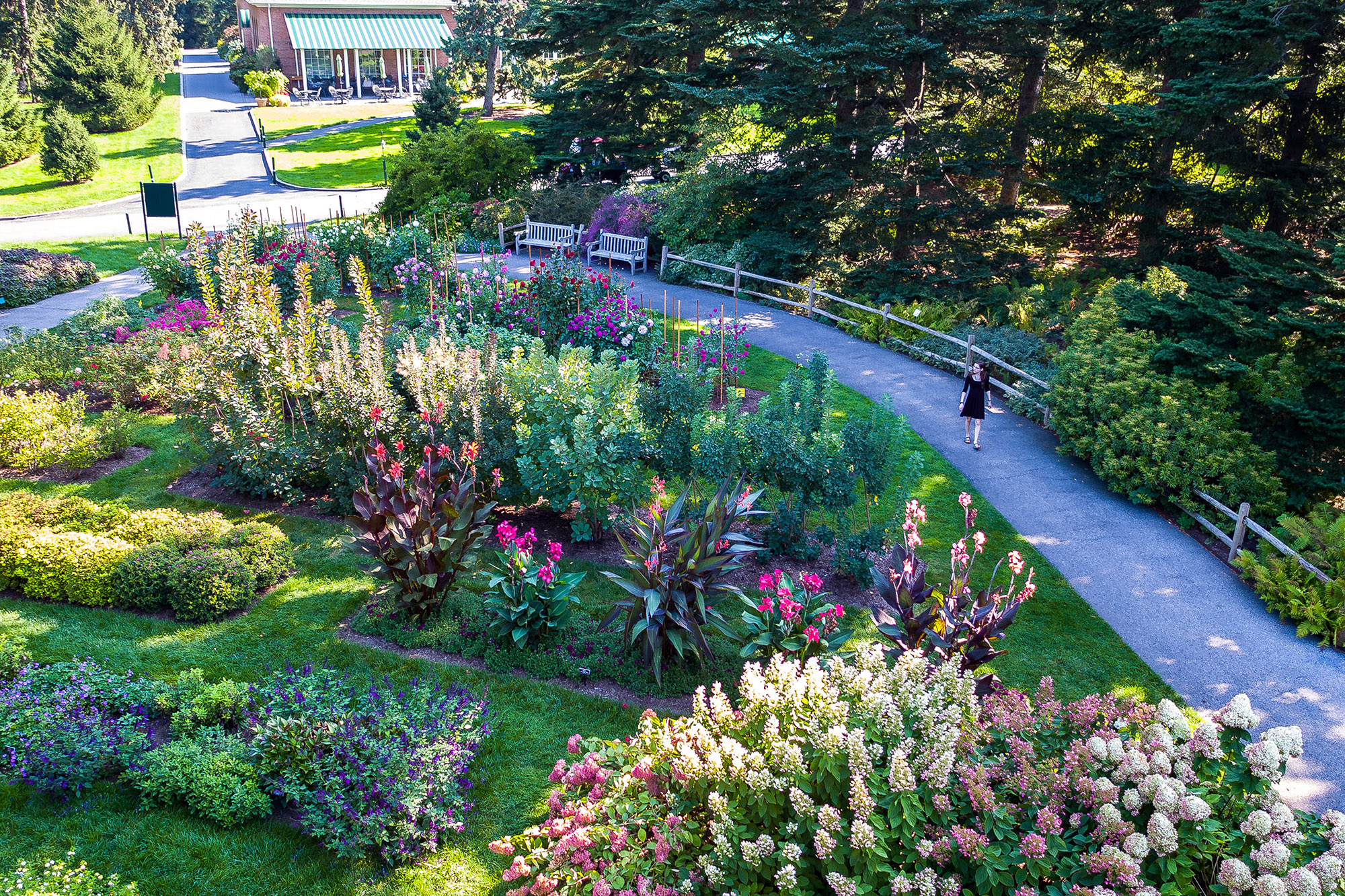
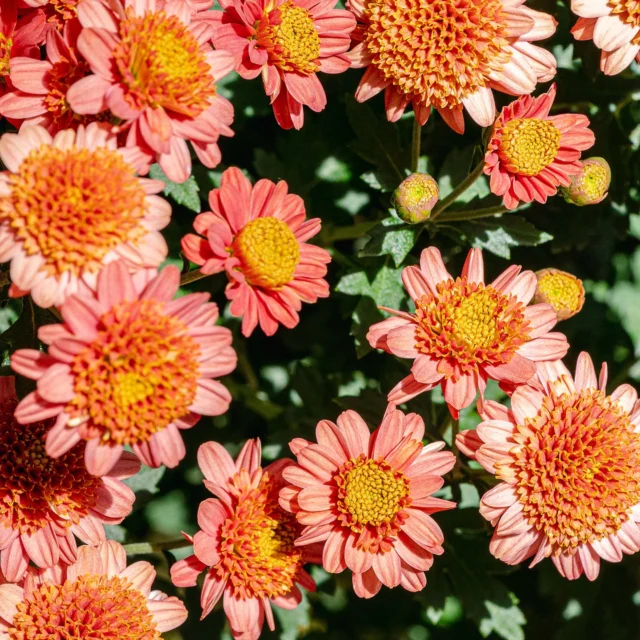
- Home Gardening Center
-
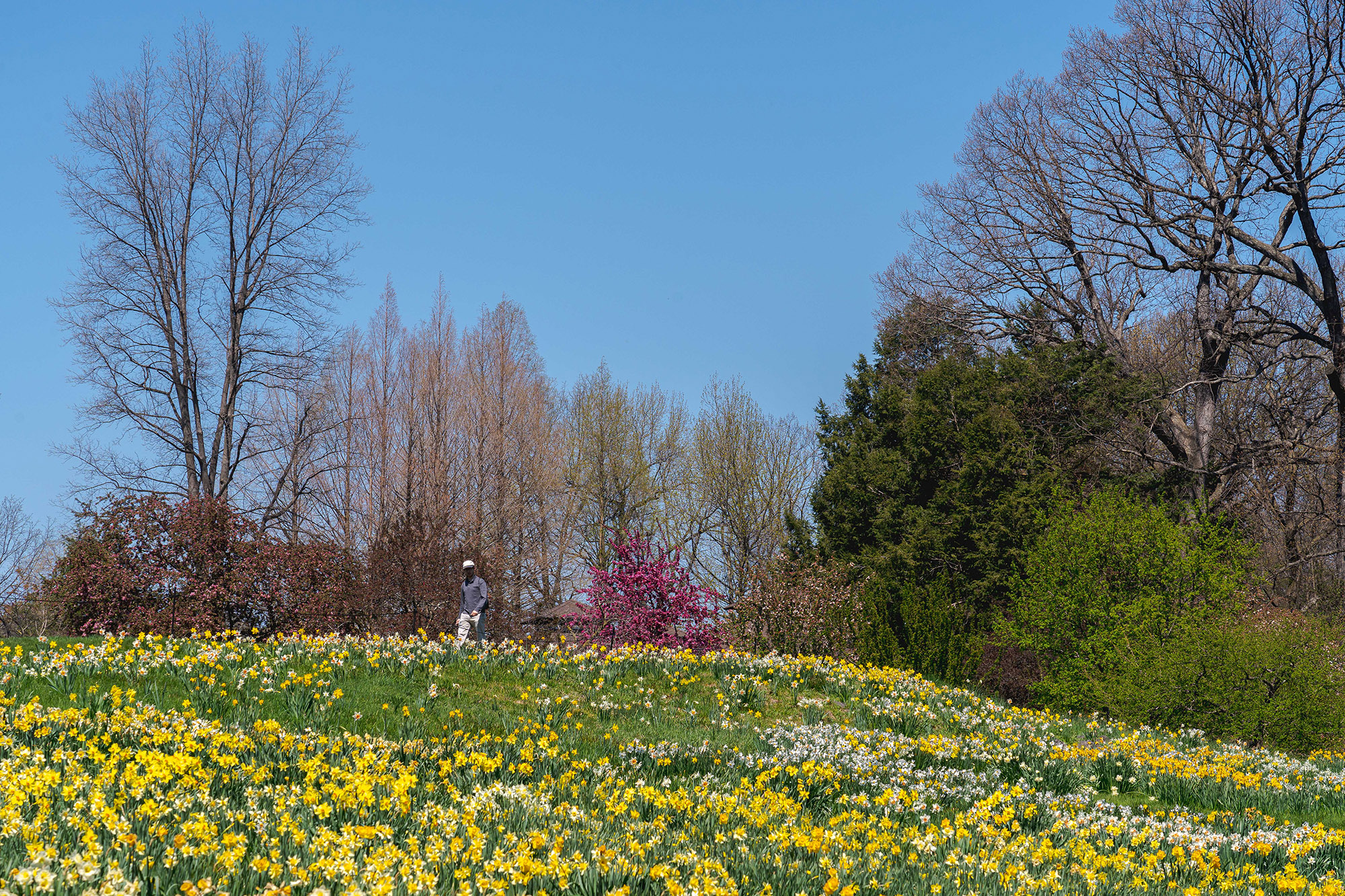
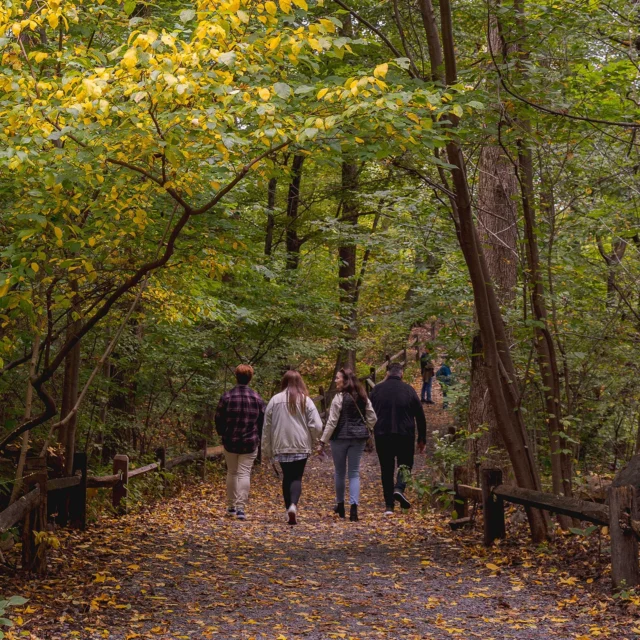
- Daffodil Hill
Three gardens, three stories
Across three weeks in October, an important window of the season when the weather starts to cool, I led a group of NYBG staff and students in Science, Horticulture, and Education to monitor biodiversity in the:
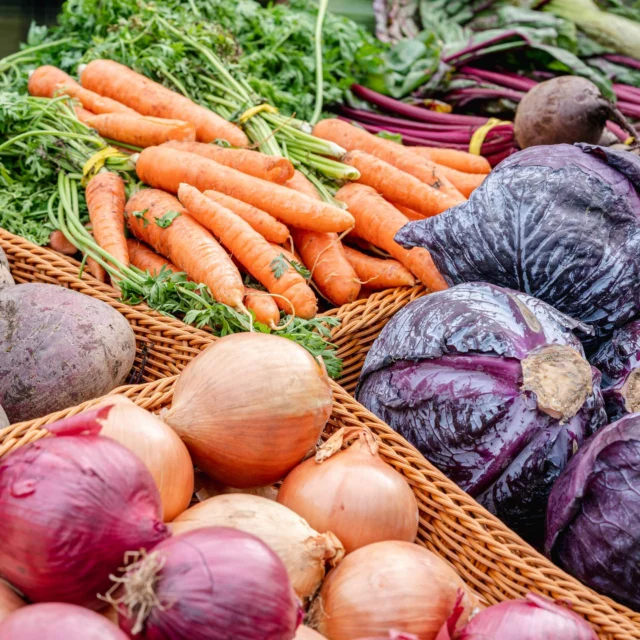
- Edible Academy, a diverse food garden filled with seasonal crops
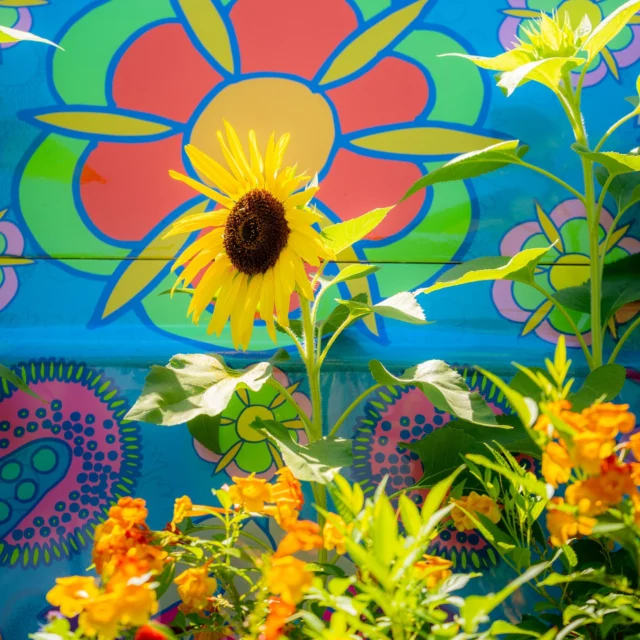
- Home Gardening Center, an ornamental garden packed with flowers and bees
- Daffodil Hill, a more open grassy lawn near the forest edge
Each of these spaces is designed differently, which could shape the kind of life these gardens support. This late in the season, summer was coming to an end and temperatures were starting to drop. Still, many of NYBG’s plants were in bloom and the gardens remained active. Birds moved through the landscape, insects continued to forage, and plant communities still structured the space in important ways.
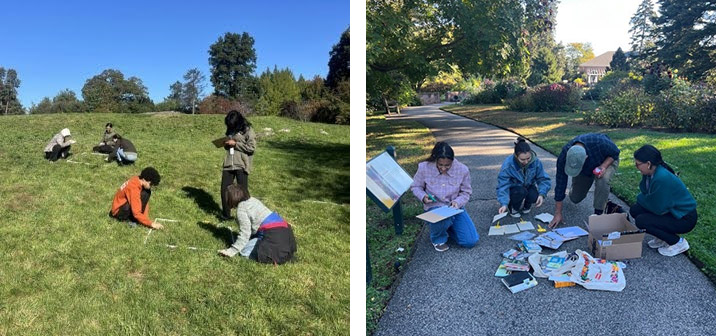
Preparing transects and sticky traps (Photo credit: Eve Beaury)
How did we measure biodiversity?
To capture this activity, we used a mix of approaches over the three-week sampling period. Bird sounds were recorded at dusk and dawn each day using acoustic monitoring devices. To identify bird diversity, we used the AI tool BirdNET, which automatically identifies birds by their unique vocalizations.
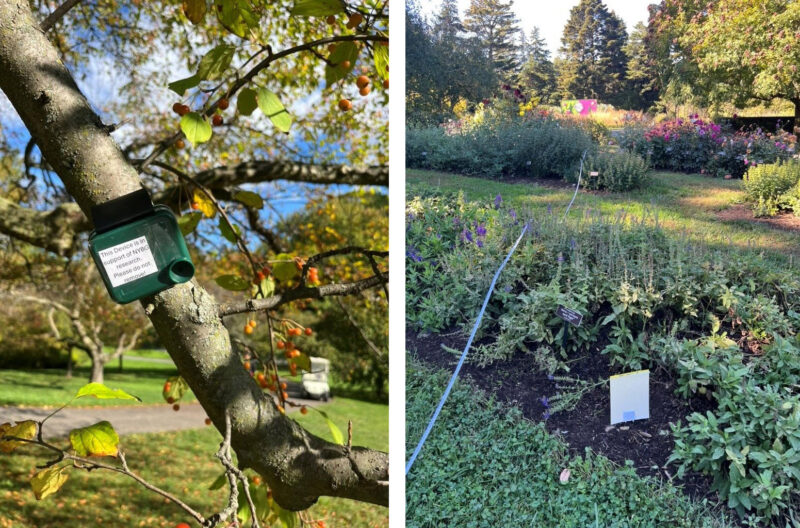
An acoustic monitoring device (left) and a transect for monitoring (right)
(Photo credit: Eve Beaury)
We observed larger insects by conducting timed surveys at each site, uploading images of any insect we saw to iNaturalist. By contrast, smaller insects are incredibly difficult to observe and count with the human eye, so we measured abundance using sticky traps. In the lab, we used microscopes to analyze their features even further. Lastly, we measured the cover and diversity of plant communities in each garden to understand differences in habitat structure across sites.
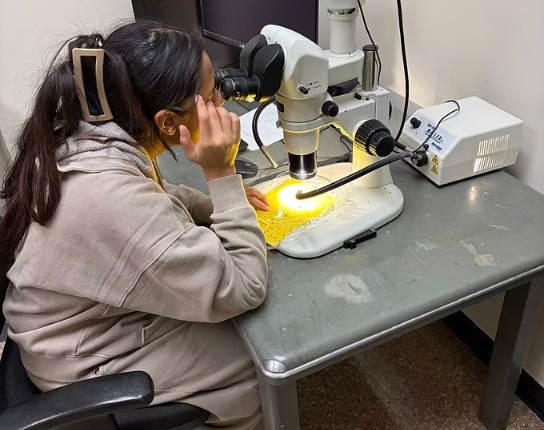
Looking at small insects under the microscope
(Photo credit: Eve Beaury)
What did we discover?
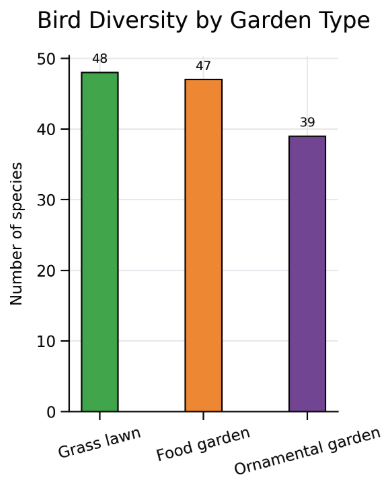
We documented a wide range of biodiversity across the three garden types, recording dozens of bird, insect, and plant species in just three weeks of observation. We uploaded 358 insect observations alone to iNaturalist, with 50% of those identified to species with the help of community scientists. We saw many leafhoppers, flies, and a tremendous number of bees across each site. We also counted more than 300 small flying insects, detected at least 68 different bird species, and recorded data for 188 species of plants. These observations showed that a vast amount of biodiversity can occur in a small area, and even subtle differences in garden design and plant structure can influence the kinds of species that urban green spaces support.
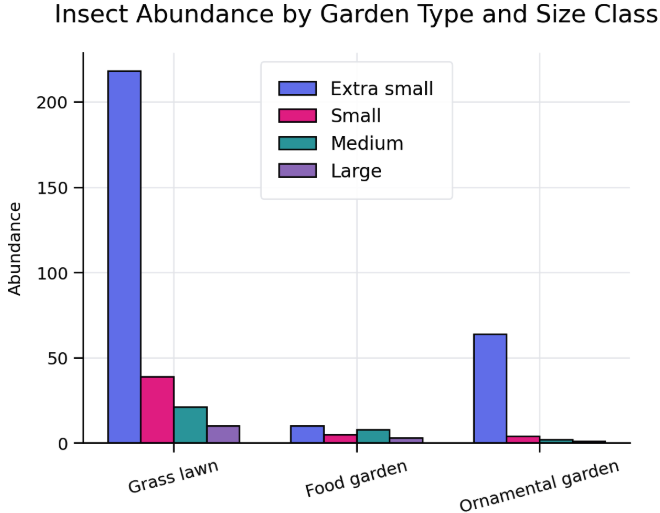
The abundance of small insects recorded using sticky traps
Does garden design matter?
Different landscapes at NYBG supported many aspects of ecological life. While some spaces supported abundance, others helped with diversity, and each contributed something different to the broader ecosystem. For instance, the ornamental garden—the Home Gardening Center—supported the highest abundance of bees and flowering plants, but NYBG’s food garden—the Edible Academy—had the highest diversity of different crops and unique large insects. The grass lawn on Daffodil Hill contributed to biodiversity in unexpected ways, with the lowest diversity of plants and large insects but the highest number of smaller insect organisms and birds. This implies that urban biodiversity isn’t just about maximizing one type of green space, but maintaining a diversity of habitat structures that function together.
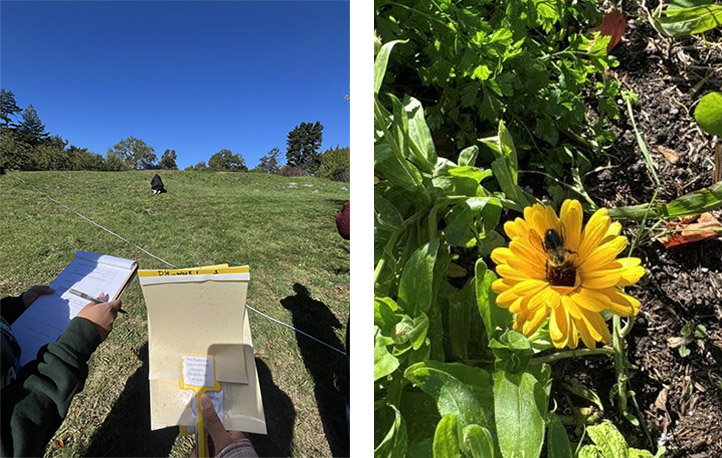
Photo credit: Zara Kadir (left) and Emma Grover (right)
What surprised us?
Some of the most unexpected patterns in this study came from birds alone. Of the 68 bird species we observed in just three weeks, 23 species were generalists, meaning they occurred in all of the three sites. However, the other 45 species were only observed in one garden type, including the birds depicted below.
-
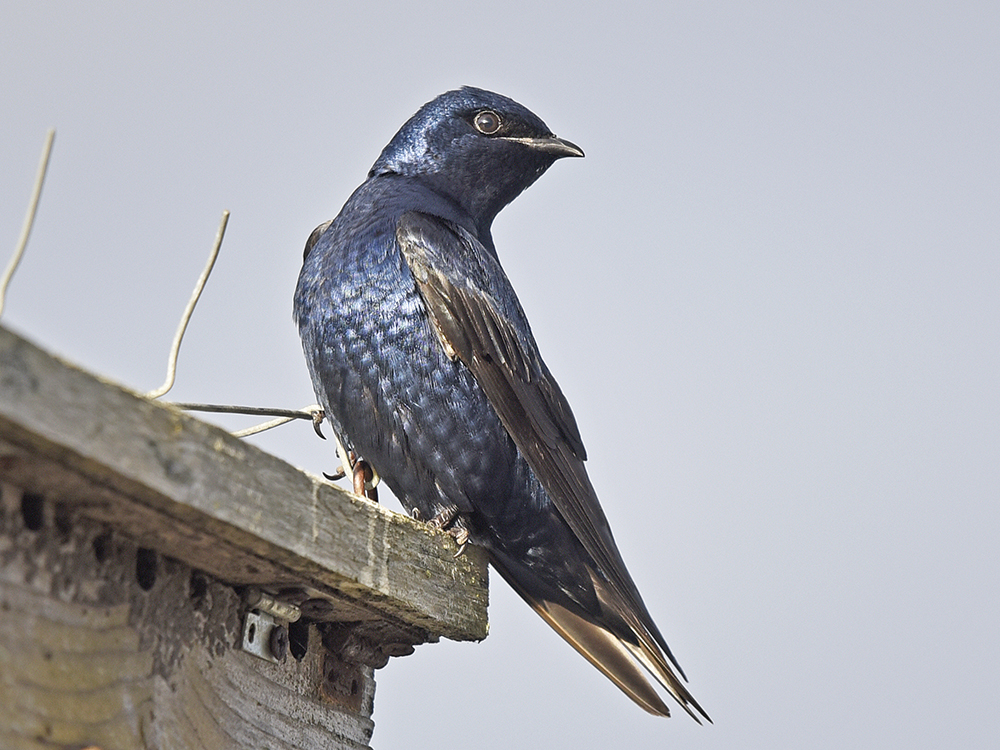
- Purple Martin (Photo by VJAnderson, licensed under CC BY 4.0)
-
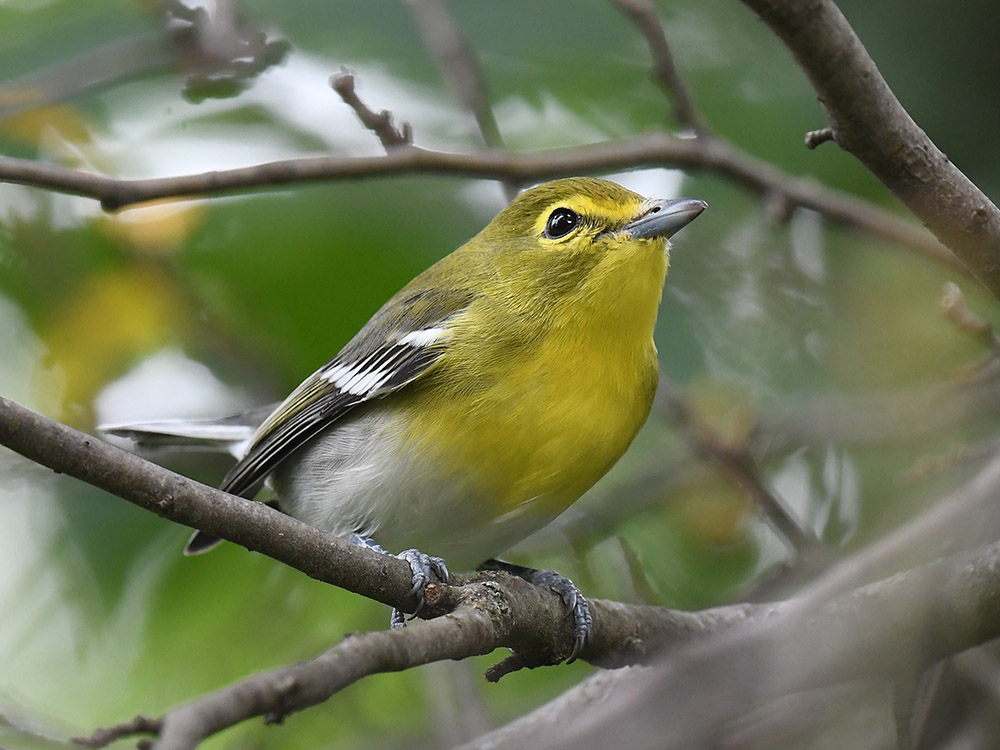
- Yellow-Throated Vireo (Photo by Wildreturn, licensed under CC BY 4.0)
-
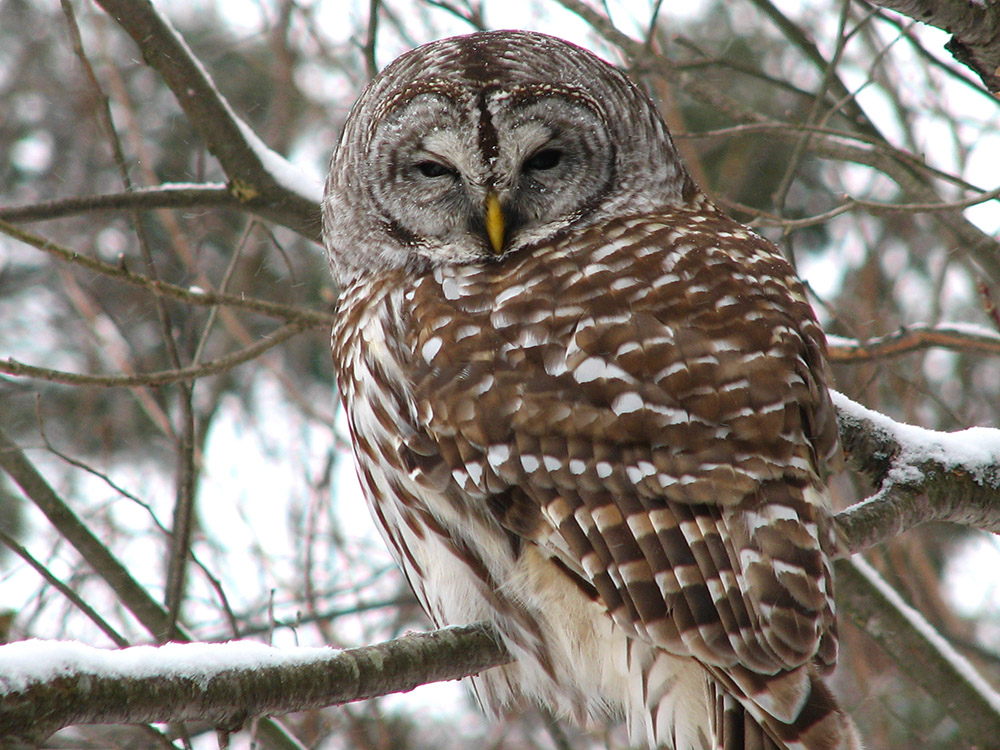
- Barred Owl (Photo by D. Gordon E. Robertson, licensed under CC BY 4.0)
-
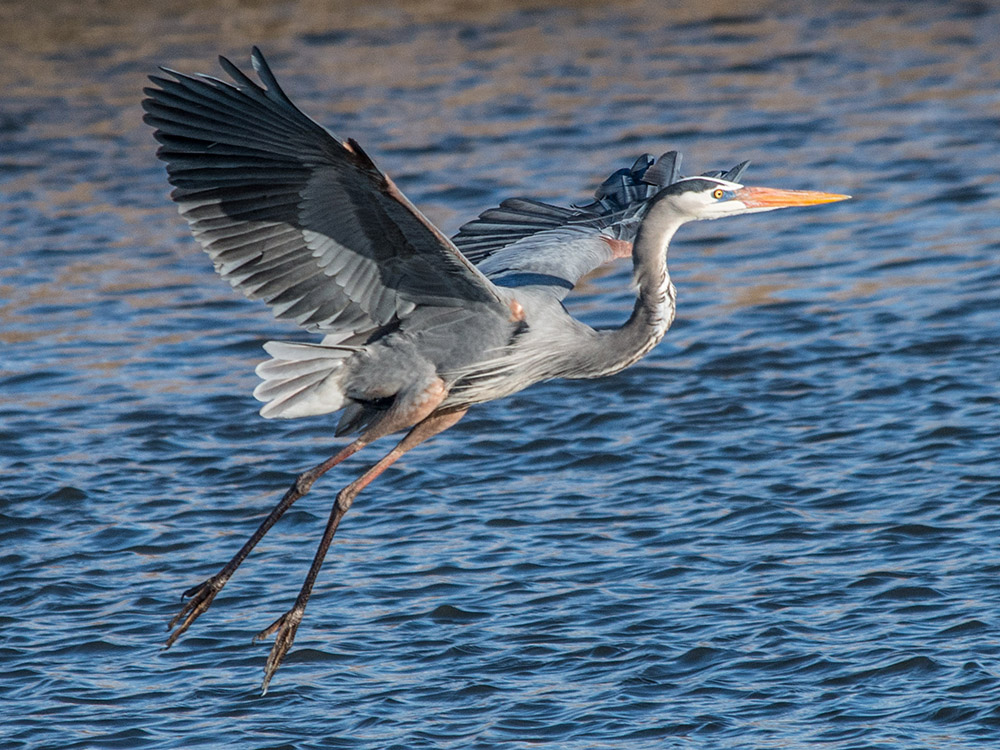
- Great Blue Heron (Photo by Steve Fine, licensed under CC BY 4.0)
-
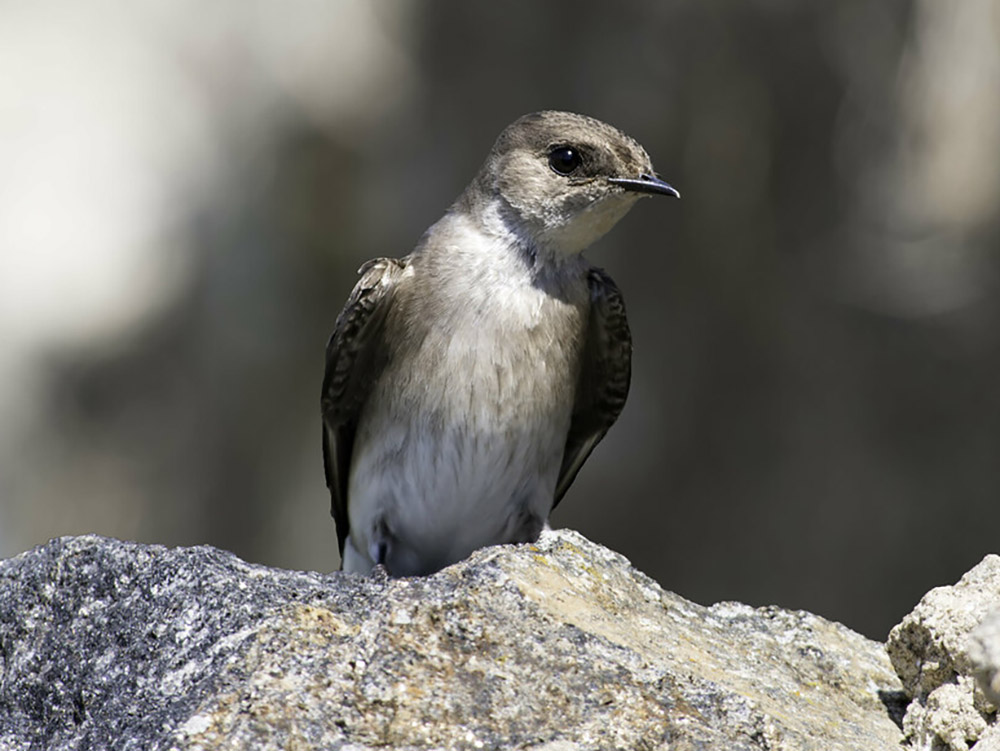
- Northern Rough-Winged Swallow (Photo by Kelly Colgan Azar, licensed under CC BY 4.0)
-
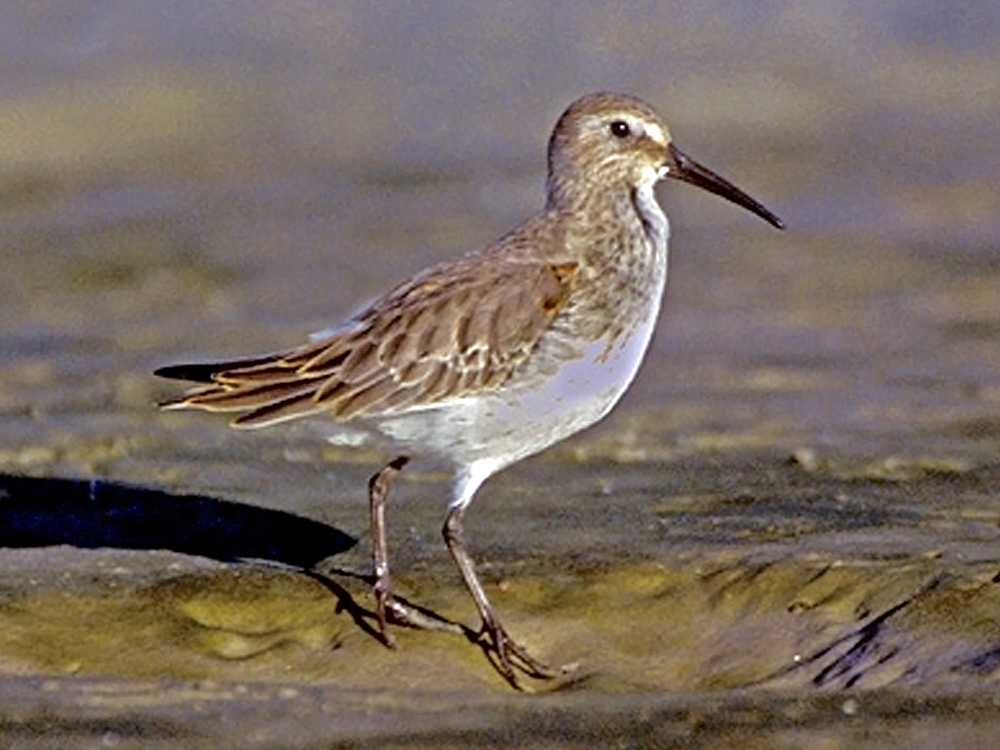
- Dunlin Bird (Photo by Peter Wallack, licensed under CC BY 4.0)
The food garden supported the most distinct bird community, while the ornamental garden and turfgrass lawn showed more overlap in the identity of species observed. This suggests that even within a small geographic area, subtle differences in habitat, such as openness, resource availability, and proximity to NYBG’s forest can shape how birds use urban garden spaces. While we expected diversity to drop as the season progressed, the diversity of birds present at NYBG remained steady across the month of October.
Looking ahead
This study captured only a brief moment of a seasonal transition. But biodiversity is not static, and understanding it requires repeated observations across time and space. This first round of data collection highlighted unique patterns across three common urban garden types, and this summer at NYBG, we will continue to monitor plants, birds, and insects across our diverse set of landscapes. Collecting baseline data on biodiversity can help us understand the importance of our grounds and how we might be able to further support the diversity of species in New York City’s changing urban landscape. Visitors can also contribute to these efforts by uploading wildlife observations to iNaturalist, helping us expand our understanding of biodiversity across the Garden.
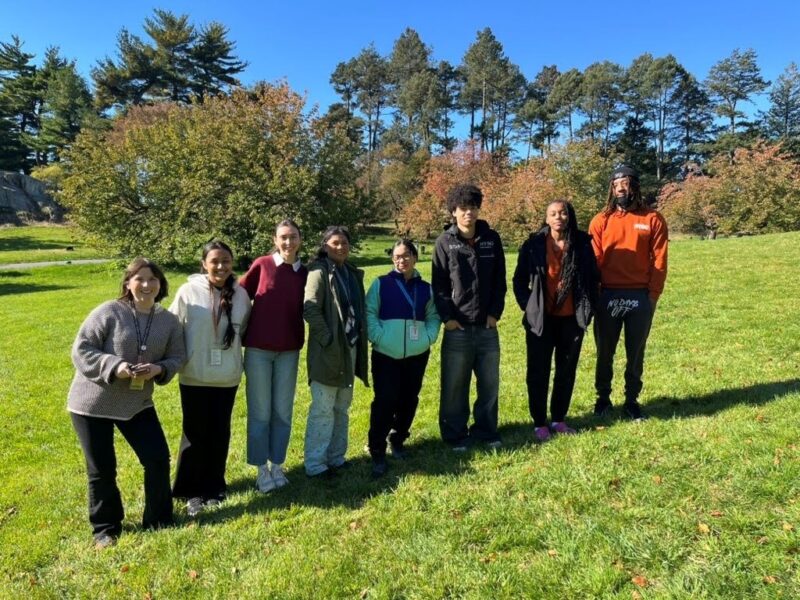
Photo credit: Eve Beaury
Special thanks to everyone for helping us bring this project to life! This was an amazing opportunity to gain fieldwork research experience, and I hope to use the skills I’ve gained from NYBG towards my future research experiences.
SUBSCRIBE
Enter your email address to subscribe to this blog and receive updates on new posts.