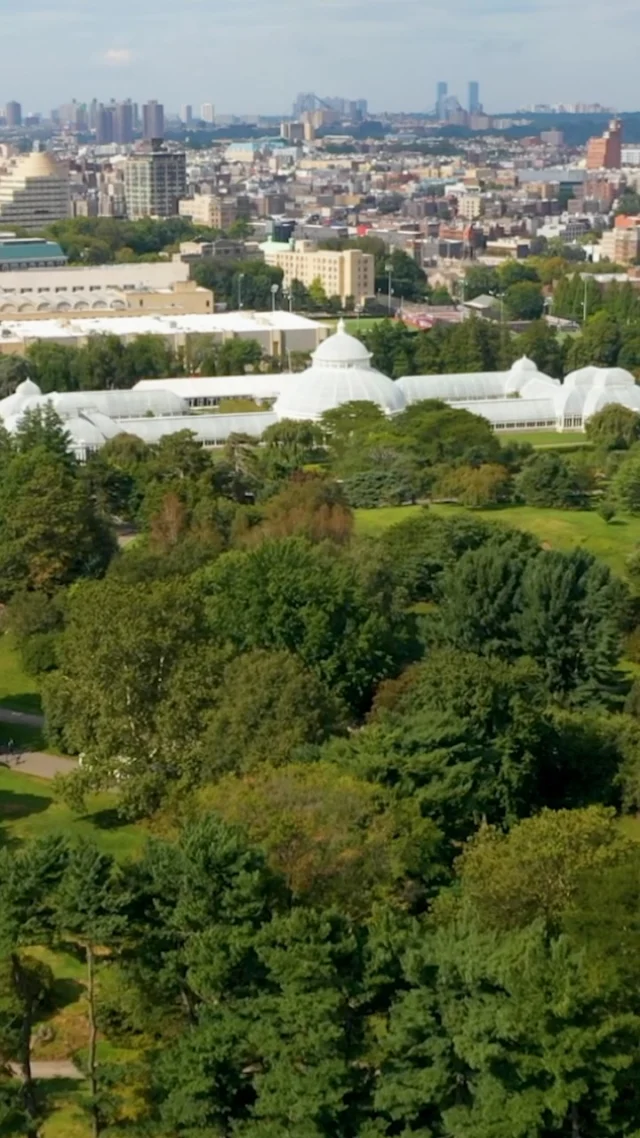
Scaling Restoration Through Botanical Garden Networks
Emma Grover is the Project Manager of the Nurturing Nature Initiative.
Ecosystem restoration is gaining momentum worldwide, and more institutions are asking what it will take to restore ecosystems in ways that are meaningful, lasting, and responsive to local realities. As this work expands, so does the need for approaches that are grounded in science, informed by practice, and capable of connecting ecological goals with the people and organizations responsible for carrying them forward.
Botanical gardens have an important role to play in this work. A new publication developed through the Nurturing Nature Initiative illustrates how botanical gardens are already contributing to restoration efforts, where there is room to grow, and why their role is becoming increasingly important. Drawing on reports and case studies from the Nurturing Nature Advisory Group, the Ecological Restoration Alliance of Botanic Gardens, curators from the New York Botanical Garden (NYBG), and invited experts, the review weaves together perspectives from across the botanical garden community, grounding its insights in both practical experience and scientific expertise.
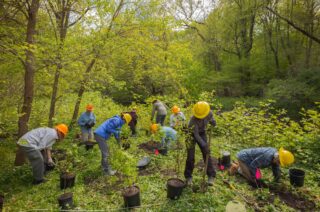
In a nutshell, the publication synthesizes evidence on key challenges in scaling plant-based restoration for biodiversity, climate resilience, and community well-being, alongside opportunities for botanical gardens to take on a more catalytic role in overcoming them. One of the clearest takeaways is that botanical gardens occupy a distinctive position, sitting at the intersection of science, practice, and public engagement. They are therefore able to connect key knowledge, plant material, and partnerships in ways that can turn restoration ambition into real outcomes across landscapes.
The review also makes clear that effective restoration depends on more than ecological or technical expertise alone. Questions of livelihoods, governance, policy, and management all shape whether restoration efforts take root and endure, as does meaningful engagement with the people connected to the landscapes being restored. Many of the case studies highlight the importance of working with local communities, recognizing Indigenous Knowledge, and supporting livelihoods alongside ecological goals. Botanical gardens, which often serve as relatively neutral and longstanding institutions, can help bring these different dimensions together.
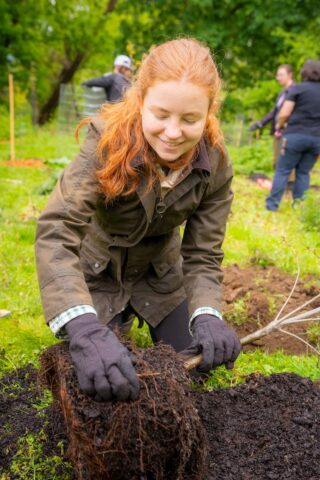
Just as important is maintaining a focus on the ecological quality of restoration as efforts expand. The review emphasizes the importance of native species, genetic diversity, and locally adapted plant material in supporting healthy, resilient ecosystems, particularly as environmental conditions continue to change. This also has implications for how success is measured: while area restored can be a useful indicator of scale, it does not necessarily show whether meaningful ecological recovery is taking place. Looking more directly at biodiversity, ecosystem function, and resilience can help ensure that efforts to expand restoration do not come at the expense of the outcomes restoration is ultimately intended to achieve.
Taken together, the findings point to a broader conclusion: botanical gardens are already important enablers of effective restoration, but realizing their full potential will require stronger coordination, continued investment, and deeper collaboration across institutions and networks. Much of their work has traditionally been rooted within individual sites, often with a strong local focus. The opportunity now is to extend that influence outward by mobilizing expertise, partnerships, and shared approaches that can operate at much larger scales, without losing sight of ecological quality and fit-to-place solutions.
In this shift, botanical gardens have the potential to serve not only as sites for conservation and botanical research, but as catalysts for wider system level change. By supporting restoration across landscapes, informing policy, and helping guide investment through science-based approaches, they can play an important role in ensuring that efforts to scale restoration also deliver meaningful, lasting outcomes.

Explore the Full Review
The full publication is available now on the Botanic Gardens Conservation International (BGCI) Tools and Resources page. We hope it serves as both a guiding resource and a call to action, highlighting the role botanical gardens already play and the even greater contribution they can make in the years ahead.
SUBSCRIBE
Enter your email address to subscribe to this blog and receive updates on new posts.